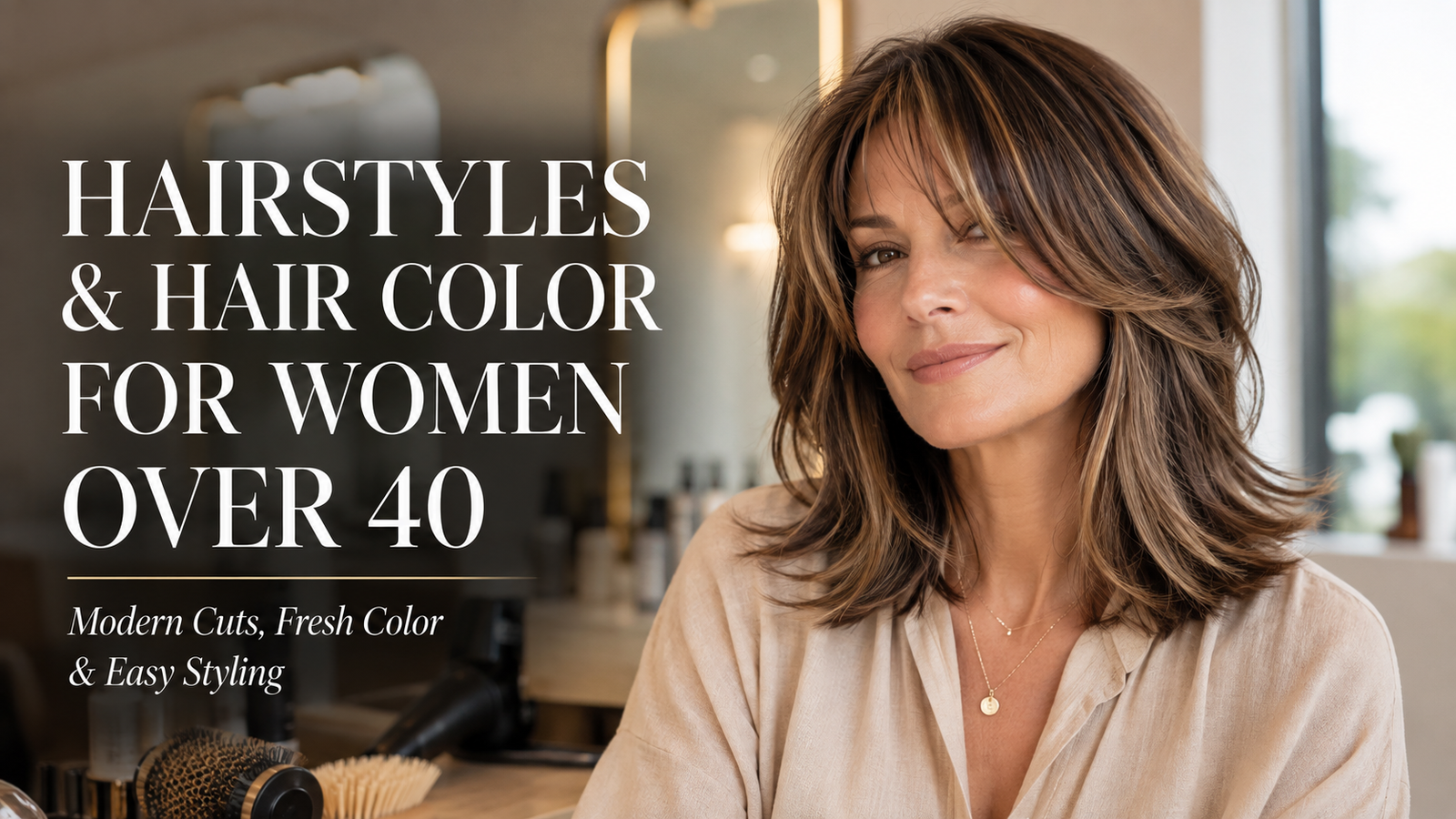
Discover modern haircuts and color techniques for women over 40, from face-framing highlights to root smudging and time-saving styling
The forties tend to bring a specific shift in how women approach their hair less interested in chasing every micro-trend, more interested in finding a look that genuinely fits daily life while still feeling current. That doesn’t mean playing it safe; it means being more deliberate about what actually works, rather than styling on autopilot.
This guide walks through what’s genuinely working for women in their forties right now: cuts that add ease and movement, color techniques that keep things looking fresh between salon visits, texture-specific advice, face-shape considerations, product picks, common mistakes to avoid, and a few honest notes on what tends to change about hair at this stage and how to work with it rather than against it.
What Actually Changes About Hair in Your Forties
Before getting into specific styles, it’s worth acknowledging a few real, common shifts that tend to happen around this age, since good styling choices generally work with these changes rather than ignoring them.
Hair density often begins to decrease gradually, which can make previously reliable cuts start to feel thinner or flatter than before. Texture can shift subtly, sometimes becoming slightly coarser or drier than in earlier decades. Gray hair typically becomes more noticeable, prompting many to reconsider their relationship with color for the first time in years. Scalp sensitivity can also increase, meaning some coloring or styling products that worked fine in the thirties may start to cause irritation. Hair may also lose some of its natural shine as oil production slows slightly, which is part of why glossing and glazing treatments have become so popular in this age group.
None of these changes require a dramatic overhaul, but they do inform which cuts and color techniques tend to work best.
The Cuts That Work With These Changes
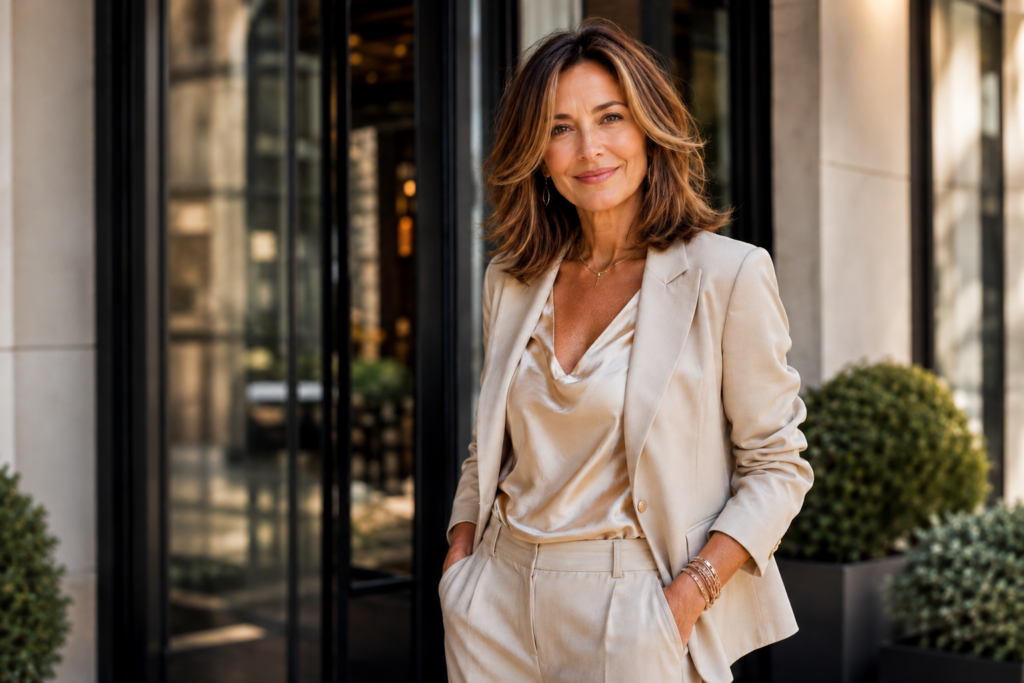
The Long Bob with Movement — A lob cut with soft layers adds the appearance of density and movement that can compensate for gradually thinning hair, while remaining versatile enough for both work and evening styling.
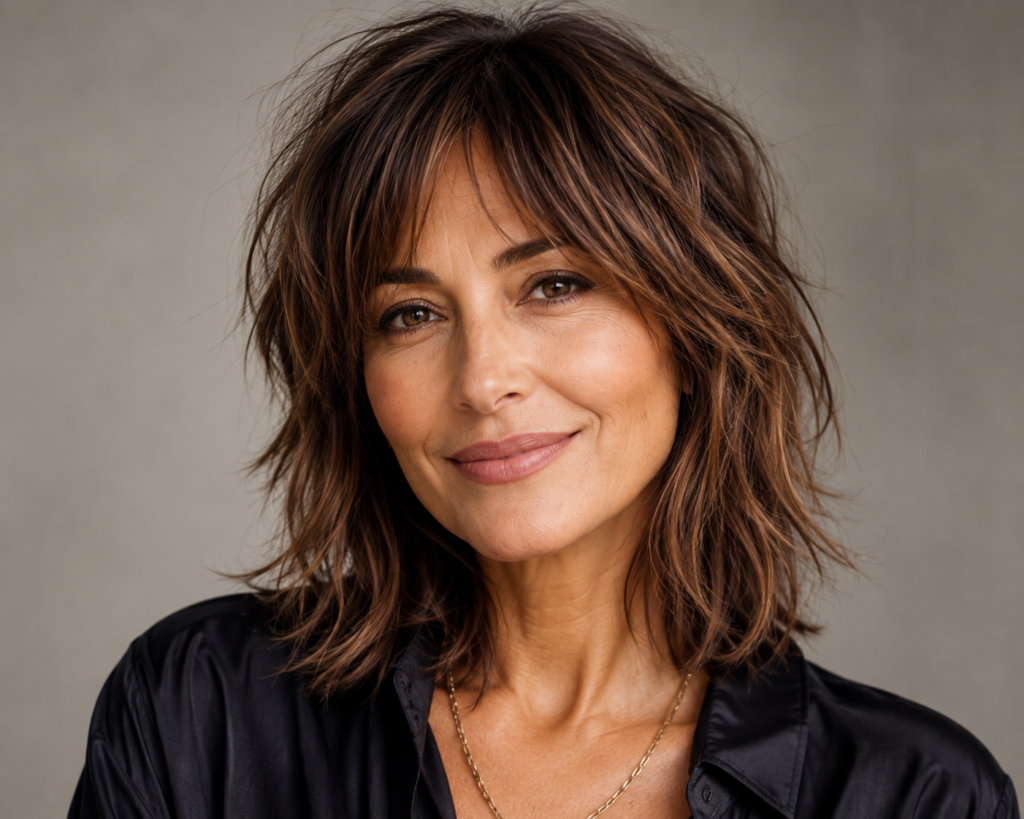
The Modern Shag — Choppy, textured layers throughout add volume and a slightly undone, youthful energy without requiring a dramatic length change.
Face-Framing Layers on Longer Hair — For those keeping length, adding layers specifically around the face brightens the overall look and adds movement exactly where it’s most visible.
A Fresh, Structured Bob — A precisely cut bob just above the shoulders reads as polished and modern, and tends to photograph particularly well for both professional and social settings.
The Textured Pixie — For those ready to go shorter, a pixie with soft, piecey texture on top avoids looking severe and instead reads as confident and current, especially when paired with longer face-framing pieces.
The Curtain Bang — Rather than a full fringe, soft curtain bangs that part in the center and sweep to the sides can instantly lift and soften the face without committing to constant upkeep.
Matching a Cut to Face Shape
A cut that looks stunning on one face shape can fall flat on another, so it’s worth thinking through this before committing to a style.
- Round faces tend to benefit from cuts with height at the crown and length that extends past the jawline, such as a longer lob, since this elongates the face rather than widening it.
- Square faces often look softened by cuts with rounded layers or waves, which take the edge off strong jawlines — the modern shag works particularly well here.
- Oval faces are considered the most flexible shape, and can generally wear most of the cuts above successfully, including the textured pixie.
- Heart-shaped faces usually pair well with chin-length or slightly longer bobs, since added width at the jaw balances a narrower chin.
- Long faces often benefit from curtain bangs or face-framing layers that add horizontal visual weight and break up the length of the face.
Color Techniques That Keep Things Looking Fresh
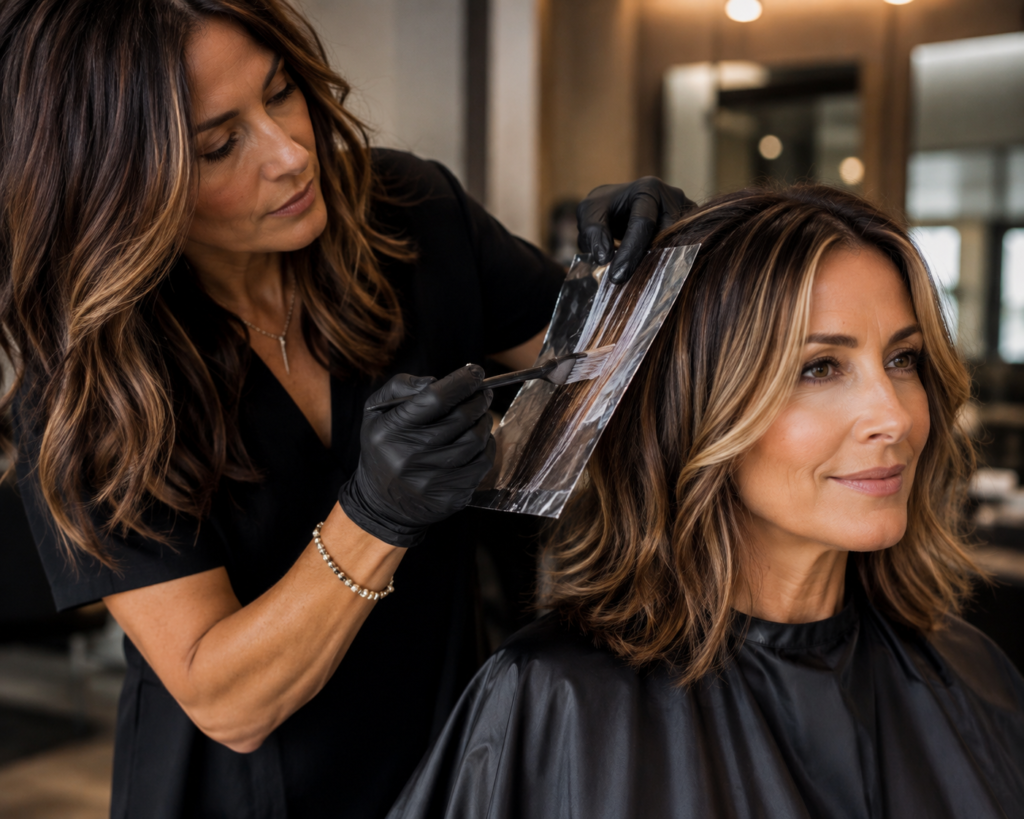
Face-Framing Highlights — Rather than a full head of highlights, strategically placed lighter pieces around the face brighten the complexion and add dimension without a heavy maintenance commitment.
Root Smudging — Softening the line between natural roots and color with a technique called root smudging allows color to grow out more gracefully, extending time between salon visits.
Gray Blending Highlights — For those with emerging gray who aren’t ready to fully embrace it, thin, strategically placed highlights can blend gray in seamlessly rather than requiring a full color change.
Rich Tonal Glazes — A clear or lightly tinted glaze applied over existing color adds shine and refreshes tone between full coloring appointments, particularly useful for maintaining vibrancy.
Balayage with Low Maintenance in Mind — A hand-painted balayage that keeps color away from the root area is one of the more forgiving techniques for regrowth, since there’s no harsh line to touch up on a strict schedule.
Full Gray Embrace with a Toner — For those transitioning to fully gray or silver hair, a purple or blue-based toner can keep the gray looking bright and cool rather than dull or yellow-tinged.
Working with Different Hair Textures
Fine hair often benefits most from blunt-ish cuts rather than heavy layering, since too many layers can make already-fine hair look wispy; a light texturizing spray at the root also helps create the illusion of density.
Thick hair can usually handle more aggressive layering and thinning, which helps prevent a triangular, bottom-heavy silhouette as the hair grows out.
Curly hair tends to do best with a dry cut, where the stylist can see exactly how each curl falls before cutting, and layering should be more conservative than it would be for straight hair to avoid unwanted frizz or shrinkage.
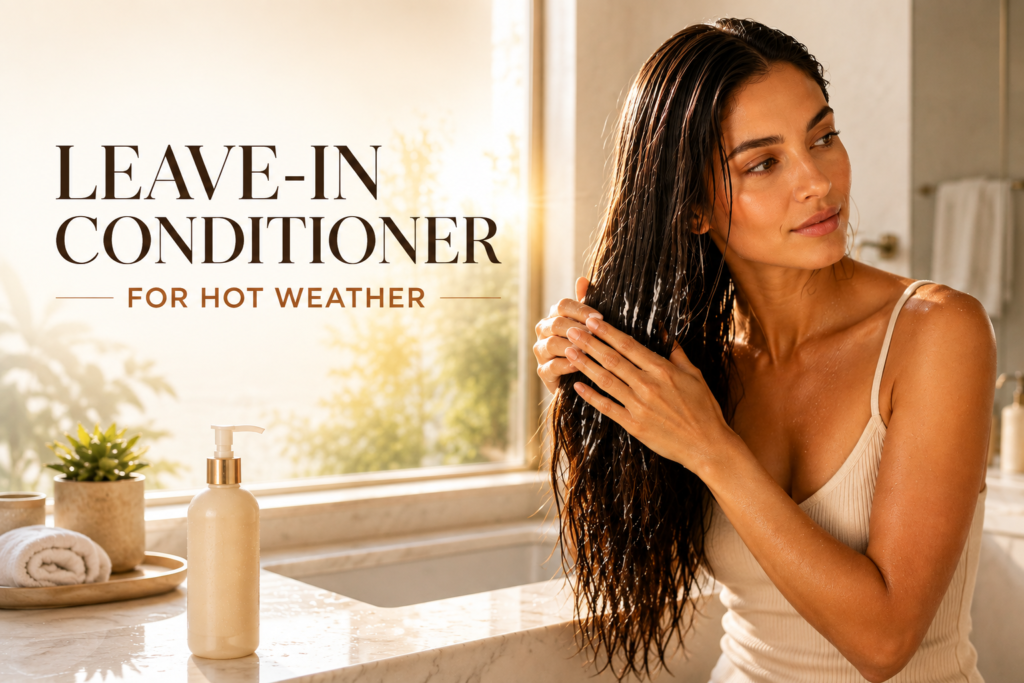
Coarser, drier hair — a common shift in this decade — usually responds well to leave-in treatments and a slightly heavier weekly hair mask, since the hair’s natural oils are doing less of that work than they used to.
Everyday Styling That Fits a Busy Schedule
For many women in their forties, styling time is genuinely limited, which makes efficient, reliable techniques especially valuable.
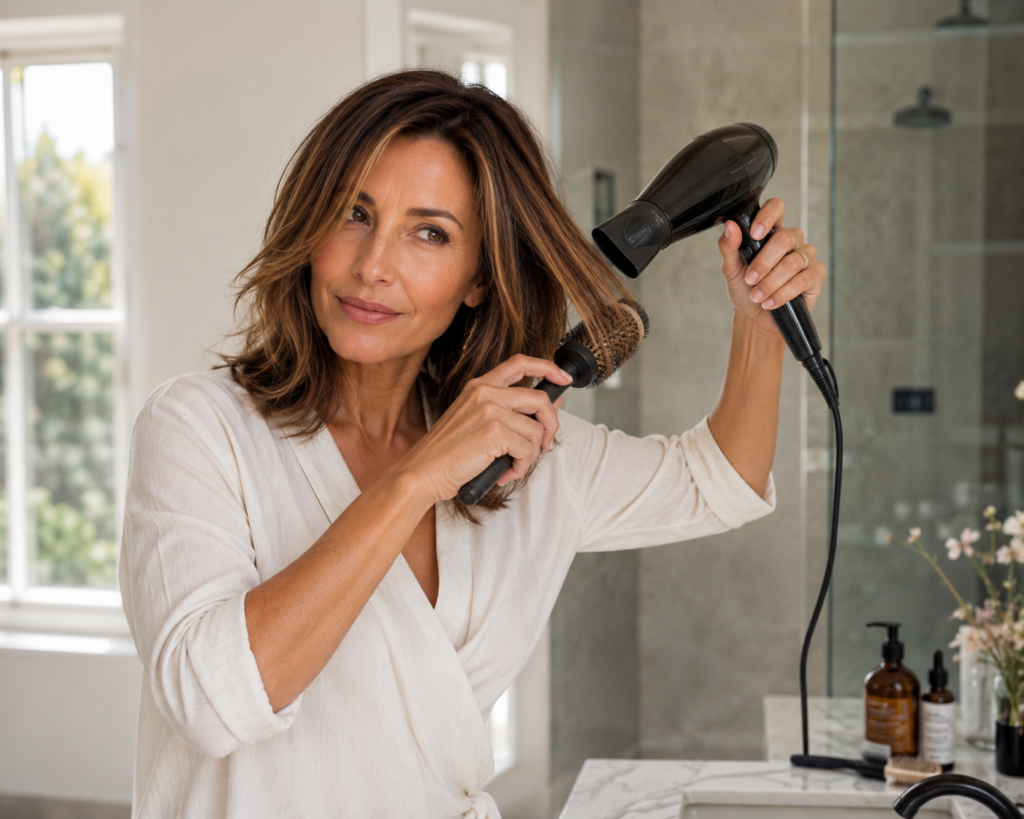
A good blowout brush technique, once learned, can be replicated at home in under fifteen minutes and dramatically extends the polished look of a fresh cut. A texturizing spray applied to day-old hair often produces better volume and grip than styling on freshly washed hair. Dry shampoo used proactively, rather than only when hair looks visibly oily, can extend the time between washes while keeping styles looking fresh. A silk or satin pillowcase can also meaningfully reduce overnight frizz and breakage, preserving a style for a second or even third day.
Product Categories Worth Prioritizing
Rather than recommending specific brands, it’s more useful to know which categories of product tend to earn their place in a forties-era hair routine:
- A bond-building treatment for anyone coloring regularly, since it helps offset the structural stress repeated processing puts on hair.
- A lightweight leave-in conditioner to address dryness without weighing hair down.
- A heat protectant spray, non-negotiable for anyone regularly blow-drying or using hot tools on hair that’s already more prone to dryness.
- A root-lifting mousse or spray for anyone noticing decreased density at the crown.
- A purple or blue toning shampoo for gray, silver, or heavily highlighted hair to prevent brassiness.
Common Mistakes to Avoid
Keeping the exact same style for too long — hair changes gradually, and a cut or color formula that worked five years ago may no longer be flattering the way it once was.
Going too dark too fast when covering gray — a color that’s noticeably darker than one’s natural shade can look harsh against a changing complexion; blending is generally more flattering than full coverage in one step.
Skipping regular trims — thinning hair shows split ends and breakage more visibly, so trims every six to eight weeks matter more in this decade than they may have before.
Over-washing or under-washing — both extremes can throw off the scalp’s natural balance; most people do best somewhere in the middle, adjusted to their own hair type.
Final Thoughts
The most successful hairstyle and color choices for women in their forties tend to share a common thread: they work with the hair’s actual current condition rather than trying to replicate exactly what worked a decade earlier. A cut that adds movement, a color technique that grows out gracefully, a routine built around the hair’s actual texture, and a styling routine that fits realistically into a busy schedule will do more for how hair looks day to day than chasing whatever specific style happens to be trending that season.
Frequently Asked Questions (FAQ)
Q1: Is it normal for hair to feel different in your forties even without major life changes? Yes, gradual shifts in density and texture are common during this decade for many people, independent of any specific health or lifestyle changes.
Q2: What’s the easiest way to start incorporating gray hair without fully committing to it? Gray blending highlights are often the easiest entry point, since they integrate emerging gray strands into the existing color rather than requiring an all-or-nothing decision.
Q3: How often does root smudging need to be redone? Root smudging typically needs touching up every eight to twelve weeks, though this varies depending on how quickly natural regrowth becomes visible against the color.
Q4: Does a shorter haircut automatically make hair look thicker? Not automatically, but strategic layering on a shorter cut can create the visual effect of more density, particularly at the ends where hair often thins first.
Q5: What’s a good time-saving styling routine for busy mornings? A quick round-brush blowout combined with a texturizing spray on the roots is one of the more efficient ways to achieve a polished look without a lengthy styling process.
Q6: Are tonal glazes a good alternative to full color appointments? Yes, glazes are specifically designed as a lower-commitment way to refresh shine and tone between full coloring sessions, without altering the underlying color significantly.
Q7: How do I know if my hair type is better suited to layers or a blunt cut? Generally, finer hair looks fuller with fewer, more strategic layers or a blunt cut, while thicker hair usually needs more layering to avoid bulk and a heavy, triangular shape.
Q8: Is it worth switching haircare products specifically for this age range? Many people find it helpful, mainly because hair’s moisture needs and processing tolerance change; a lighter leave-in, a bond-builder, and a heat protectant are commonly cited as the most impactful additions.
Q9: How often should color-treated hair be trimmed compared to natural hair? Color-treated hair is generally more prone to dryness and breakage at the ends, so many stylists recommend trims on the more frequent end of the six-to-eight-week range.
Q10: Can curly hair use the same techniques mentioned here, like root smudging or balayage? Yes, both techniques work well on curly hair, though many stylists recommend a dry cut and a slightly more conservative approach to placement to account for how curls shrink and shift once dry.