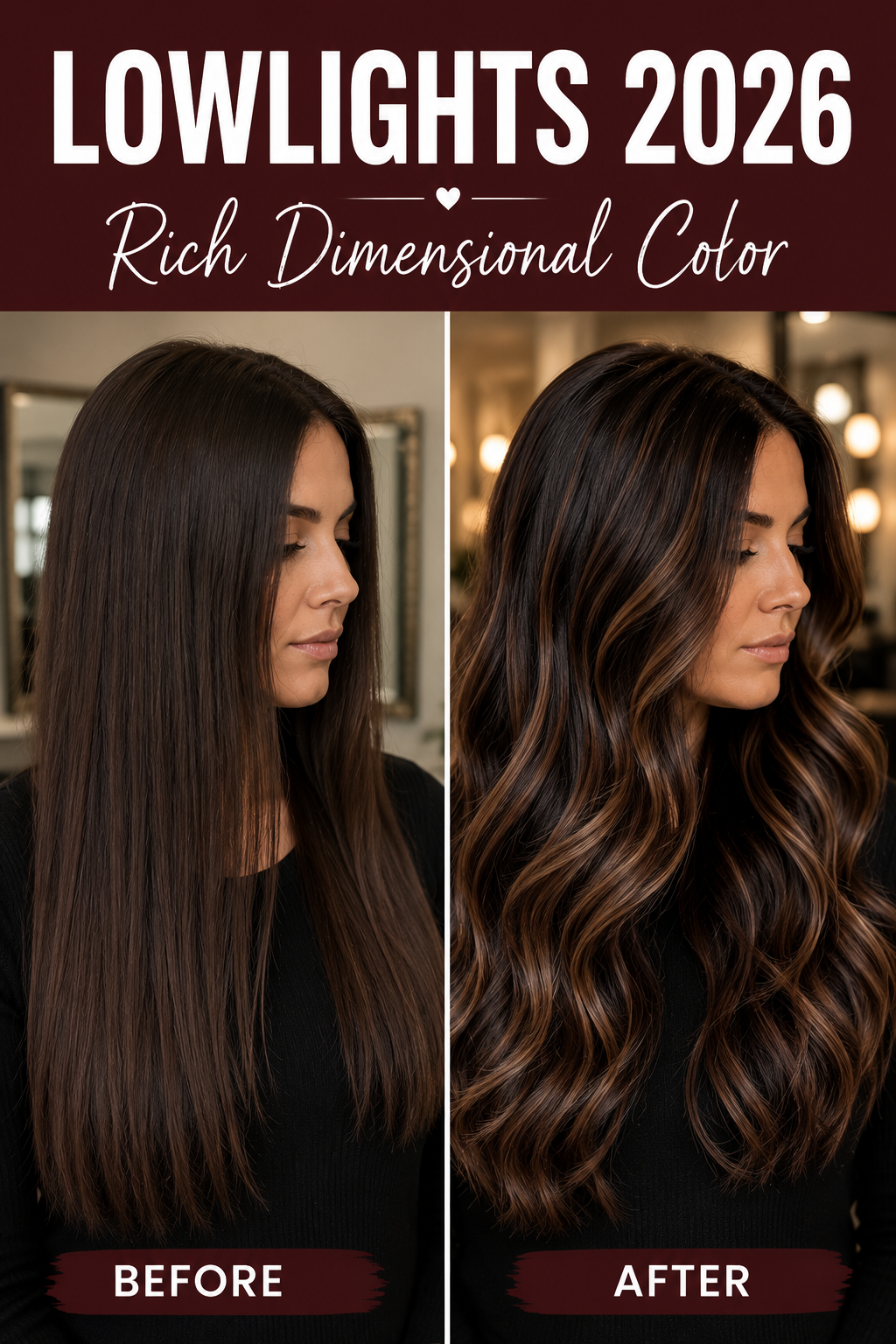
Discover how lowlights hair color adds rich dimension in 2026. Complete guide to techniques, maintenance, cost, and gray blending tips.
If you’ve ever felt like your hair color looks flat or one-dimensional, lowlights might be exactly what you’re missing. After years of working with clients and researching color trends, I can confidently say lowlights are one of the most underrated techniques in the hair color world — they don’t get the same hype as highlights or balayage, but they often make a bigger difference in how rich and multi-dimensional your hair looks.
Part of the reason lowlights fly under the radar is that they’re not as “photogenic” in a single, still image the way a dramatic highlight transformation is. Their magic shows up in motion when hair sways, catches light from different angles, or moves in the wind — which is exactly why so many people who try lowlights end up saying their hair “just looks better” without being able to fully explain why. That subtle, hard-to-pinpoint improvement is the entire point of the technique.
In this guide, I’ll break down everything you need to know about lowlights: what they are, who they suit, how to maintain them, and the biggest mistakes people make when asking for them at the salon. By the end, you should feel confident walking into a consultation and having an informed conversation with your colorist about whether lowlights are the right move for your hair.
What Exactly Are Lowlights?
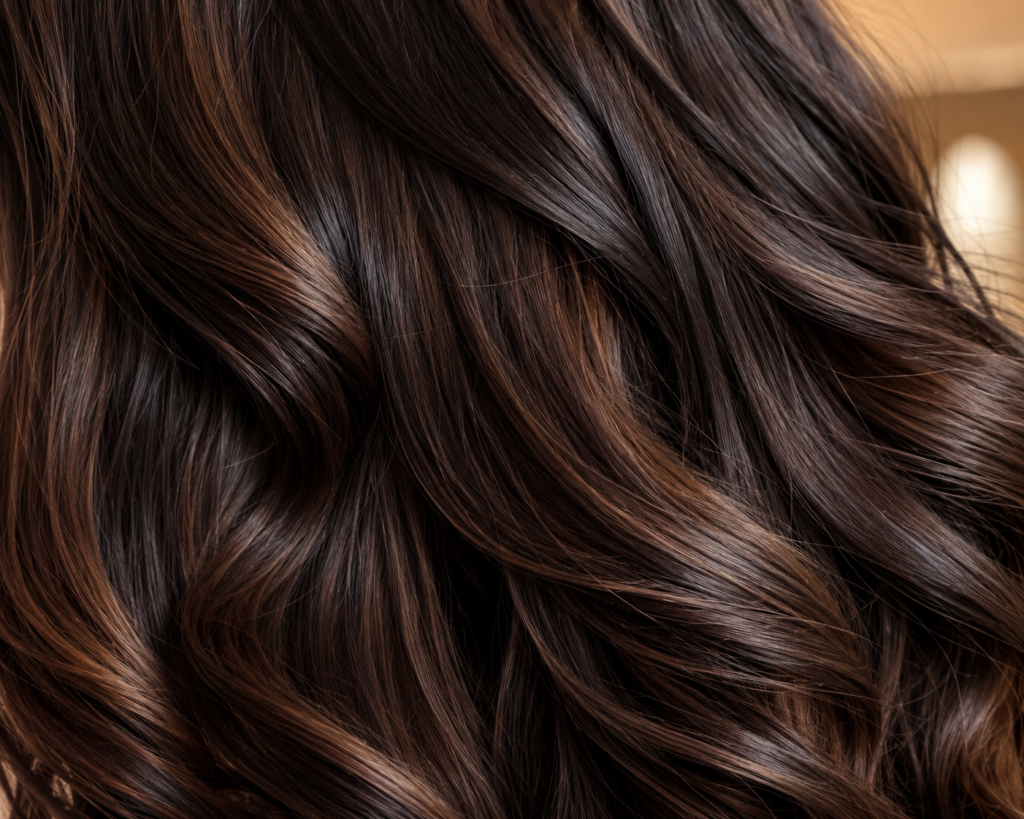
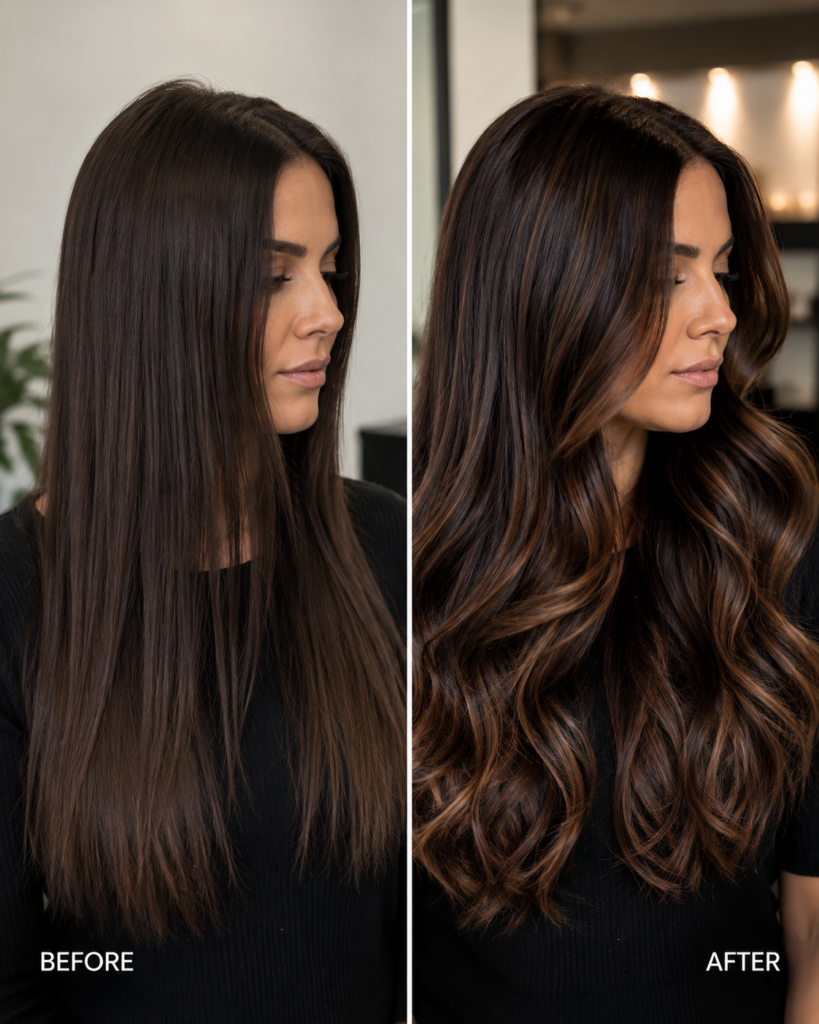
Lowlights are strands of hair dyed a shade or two darker than your natural or base color. Unlike highlights, which lighten strands, lowlights add depth by darkening select pieces, creating contrast and dimension. Think of them as the “shadow” version of highlights — they add richness rather than brightness.
This technique works especially well for people who feel their hair has become too flat, too brassy from repeated highlighting, or who simply want a change without going lighter. It’s also a favorite among colorists because it requires far less commitment than a full color overhaul, yet delivers a dramatically more expensive-looking result.
Many clients come into the salon asking for highlights when what they actually need is dimension and lowlights are often the missing piece. Once added, hair instantly looks fuller, glossier, and more three-dimensional, especially under natural light.
Something I’ve noticed repeatedly over the years is that people underestimate just how much a few strategically placed darker pieces can transform the overall perception of hair health. Light bounces differently off multi-tonal hair compared to flat, single-process color, which is why lowlighted hair photographs so much better it catches shadow and shine in a way that mimics natural, undyed hair patterns.
It also helps to understand that lowlights aren’t a single fixed formula. A colorist might use a demi-permanent gloss for a subtle, low-commitment effect that fades gently over several weeks, or a permanent color for a longer-lasting, more defined result. The choice between these depends on your hair history, how much contrast you want, and how often you’re realistically willing to visit the salon for upkeep. This flexibility is part of what makes lowlights such an adaptable technique there isn’t one “correct” way to do them, only the approach that best matches your goals.
The Science Behind Why Lowlights Look So Natural
Natural, non-colored hair is never actually one single shade. If you look closely at hair that has never been dyed, you’ll notice subtle variations caused by sun exposure, hair thickness, and even genetics some strands are naturally a touch darker or lighter than others. Lowlights essentially recreate this natural variation artificially, which is exactly why the technique tends to look so much more believable than flat, single-process color.
This is also why lowlights have become a favorite among colorists working with clients who want their hair color to look “expensive” without appearing artificial. The goal isn’t contrast for its own sake it’s about mimicking the subtle tonal shifts that occur naturally, just amplified slightly for a richer, more polished finish.
There’s also a practical, light-reflecting reason lowlights read as more dimensional in photos and in person. Hair strands act almost like tiny prisms, and when every strand is the exact same tone, light reflects uniformly across the surface, which can flatten the appearance of volume and texture. Introducing even a small percentage of deeper-toned strands interrupts that uniform reflection, creating pockets of shadow that the eye interprets as depth and movement. This is the same principle used in makeup contouring or interior design lighting variation, not uniformity, is what the eye reads as dimensional and rich.
Why Lowlights Are Trending in 2026
Lowlights have made a strong comeback because they align with the growing preference for “your hair but better” color trends natural-looking results that enhance rather than mask your base color. In 2026, we’re seeing:
- Softer, blended lowlights instead of harsh chunky pieces
- Lowlights combined with balayage for a more organic look
- Warmer tones like chocolate, caramel, and chestnut used as lowlight shades
- A shift away from over-highlighted hair toward richer, multi-tonal color
- Increased demand for “low-maintenance depth” color that grows out gracefully without obvious root lines
This shift reflects a broader movement in the beauty industry toward realistic, wearable color rather than high-contrast, high-maintenance looks that dominated previous years. Social platforms have played a role here too as more people share unfiltered, everyday hair content rather than heavily staged studio shots, there’s been a natural pull toward color that looks good in real lighting conditions, not just under salon spotlights. Lowlights perform particularly well in this environment because they’re designed to look convincing in everyday settings, not just in a single perfect photo.
Colorists are also reporting that clients are increasingly coming in with reference photos that emphasize texture and shine over stark contrast, a clear sign that the industry-wide pendulum has swung away from the ultra-bright, heavily highlighted looks of the past decade. Lowlights fit neatly into this “quiet luxury” approach to beauty, where the goal is to look effortlessly put-together rather than visibly, dramatically colored.
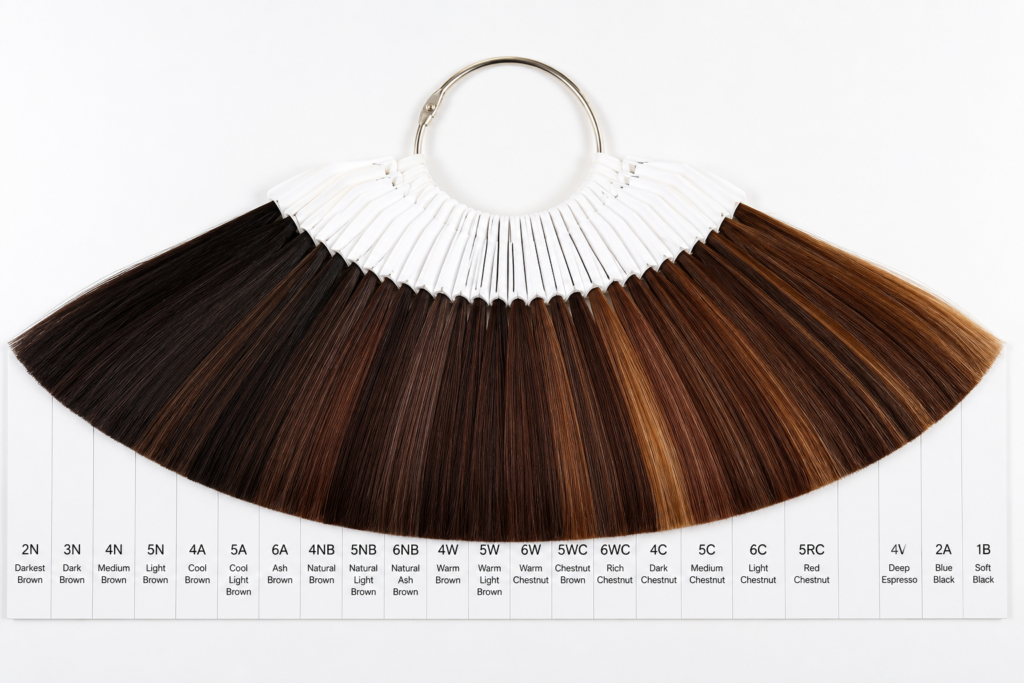
Who Should Get Lowlights?
Lowlights work beautifully on almost every hair type and color, but here’s where they really shine:
Blonde Hair: If your blonde has become too light or brassy, lowlights reintroduce warmth and dimension without a full color change. This is especially useful for those transitioning away from constant bleaching.
Brunette Hair: Lowlights add subtle richness and depth, especially for those who find solid brunette color looks flat under certain lighting, such as indoor fluorescent lighting or overcast daylight.
Gray-Blending: Lowlights are one of the best techniques for blending gray hair naturally, since the darker pieces mimic the variation of natural, non-gray hair, making regrowth far less noticeable between salon visits.
Previously Highlighted Hair: If your highlights have grown out unevenly or look too light, lowlights can balance things out without requiring a full re-color, saving both time and money at your next appointment.
Fine or Thin Hair: Because lowlights add visual depth and dimension, they can create the illusion of thicker, fuller-looking hair something highlights alone often can’t achieve.
Redheads and Auburn Tones: Lowlights aren’t just for blondes and brunettes. On red or auburn hair, deeper copper, mahogany, or burgundy lowlights can add richness and prevent the color from looking flat or one-note, especially as red tones tend to fade faster than other shades and can benefit from this added depth between color refreshes.
Curly and Textured Hair: Curls naturally create their own shadow and light patterns, and lowlights can enhance this even further by tracing the movement of individual curl patterns, making ringlets and coils look more defined and dimensional rather than just uniformly colored.
How Lowlights Are Applied (What to Expect at the Salon)
Understanding the process helps you have a more informed conversation with your colorist. Typically, lowlights are applied using:
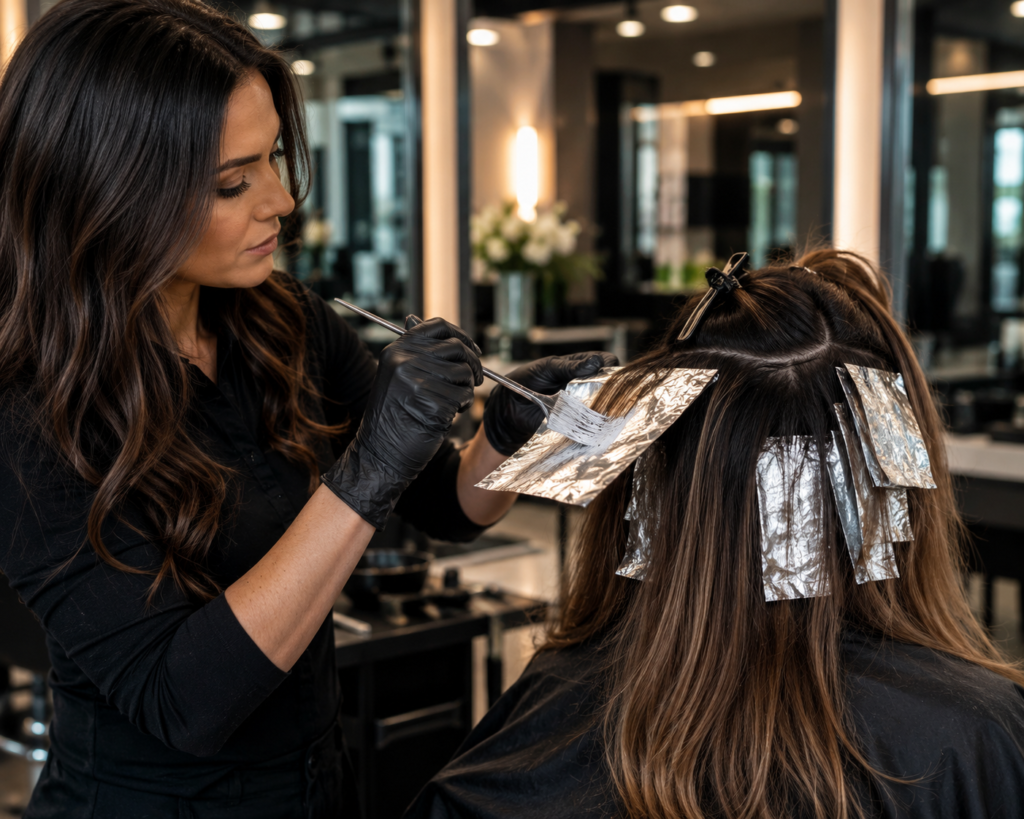
Foiling technique – Similar to highlights, but using a darker shade, foils isolate sections of hair for precise, controlled color placement.
Balayage/hand-painting – For a softer, more blended lowlight effect, colorists hand-paint the darker shade in sections, focusing on natural-looking placement rather than uniform rows.
Color combination – Many colorists now blend lowlights and highlights together (often called “dimensional color”) for maximum depth, movement, and shine.
A full lowlight service typically takes 1.5 to 3 hours depending on hair length, thickness, and the complexity of the placement pattern chosen by your colorist.
Before any color touches your hair, most experienced colorists will also perform a strand test, particularly if your hair has been previously colored, bleached, or chemically treated. This step might feel like it’s slowing things down, but it’s actually one of the most important parts of the process — it lets the colorist confirm exactly how your hair will react to the formula, preventing unwanted color shifts like unexpected warmth, ashiness, or uneven absorption. Skipping this step is one of the more common reasons at-home or rushed salon color jobs don’t turn out as expected.
It’s also worth knowing that placement pattern matters just as much as shade selection. A colorist will typically concentrate lowlights around the crown, part line, and face-framing pieces first, since these are the areas most visible in everyday life, before working outward toward the mid-lengths and ends. This strategic placement is what separates a professional lowlight service from a flat, evenly distributed result — it’s designed to look the way hair naturally falls and catches light, not like a uniform pattern applied without thought.
Lowlights vs. Highlights vs. Balayage: What’s the Difference?
This is one of the most common points of confusion, so let’s clarify:
Highlights lighten strands of hair, creating brightness and contrast against a darker base.
Lowlights darken strands of hair, creating depth and richness against a lighter base.
Balayage is a hand-painting technique that can be used for either highlights or lowlights, focused on a soft, natural gradient rather than uniform foiled sections.
Many colorists combine all three techniques depending on the desired final look this is often what creates that expensive, multi-dimensional “your hair but richer” effect you see in salon photography and on Pinterest boards. Understanding this distinction will help you communicate more clearly with your stylist and avoid leaving the salon with results that don’t match your expectations.
It’s worth adding that these terms describe technique and direction, not a fixed final look meaning two people can both ask for “lowlights” and walk out with very different results depending on their base color, the shade chosen, and how the strands are placed. This is exactly why bringing reference photos to your consultation is so valuable. A photo doesn’t just show your colorist a color; it shows them the level of contrast, the placement density, and the overall vibe you’re going for, which words alone often struggle to communicate accurately.
How to Maintain Lowlights and Make Them Last
From my experience helping people maintain their color, here’s what actually keeps lowlights looking fresh:
Use color-safe, sulfate-free shampoo. Sulfates strip color faster, causing lowlights to fade and blend into your base color prematurely, which shortens the life of your salon investment.
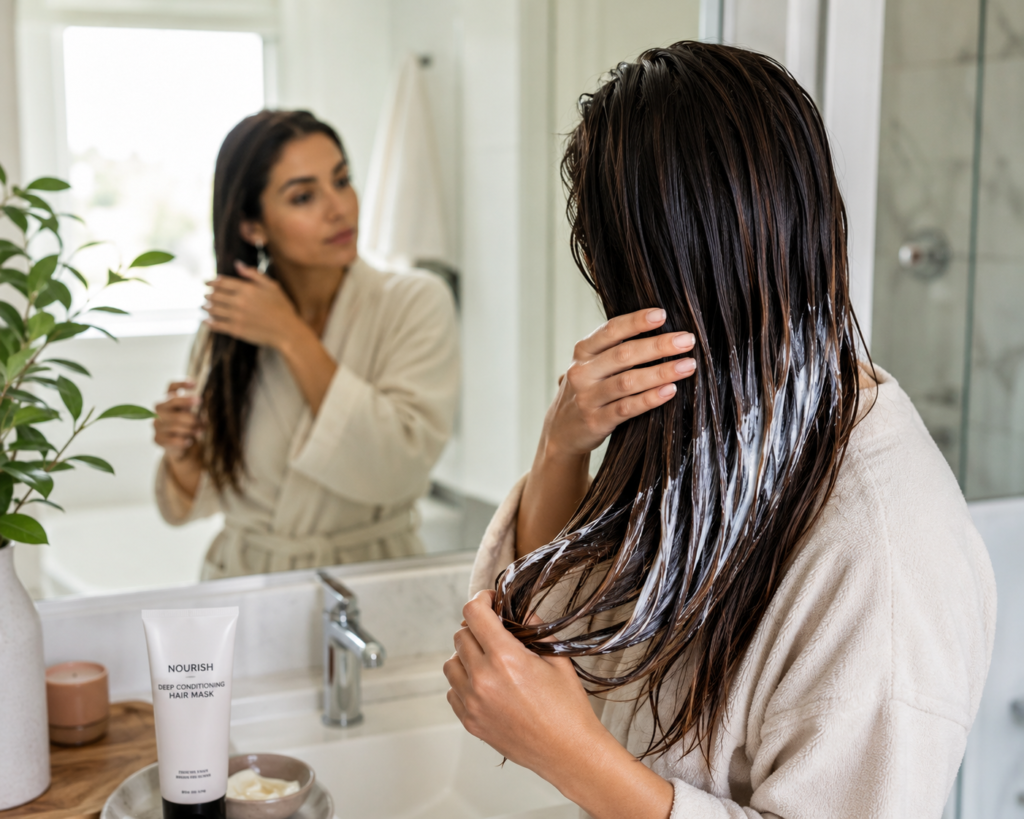
Deep condition weekly. Since lowlights involve chemical processing, hair needs extra moisture to stay healthy, glossy, and vibrant between salon visits.
Avoid excessive heat styling. Heat speeds up color fading, especially on darker, more saturated lowlight shades, so always use a heat protectant when styling.
Space out washes. Washing hair 2-3 times a week, rather than daily, helps preserve color vibrancy and prevents premature fading.
Get regular trims. Trimming every 8-10 weeks prevents split ends from making the color look dull, uneven, or prematurely faded at the tips.
Use a color-depositing mask occasionally. These gentle, tinted conditioning treatments can refresh lowlight tones between salon appointments without committing to a full color session.
Protect hair before swimming. Chlorine and saltwater can both cause unexpected color shifts, particularly with warmer lowlight tones turning brassy or dull. Wetting hair with clean water and applying a leave-in conditioner before swimming creates a protective barrier.
Consider your water temperature. Washing with lukewarm or cool water, rather than hot water, helps seal the hair cuticle and slows down color fading significantly over time. This is a small habit that many people overlook, but it makes a noticeable difference in how long lowlights stay vibrant between salon visits.
Use UV protection products for hair. Just like skin, hair color can be affected by sun exposure over time. Leave-in sprays or serums containing UV filters can help prevent lowlights from oxidizing or shifting tone, particularly if you spend a lot of time outdoors or live somewhere with strong, consistent sunlight.
Be mindful of chlorinated or hard water at home. In areas with hard water, mineral buildup can dull hair color over time, including lowlights. A clarifying shampoo used sparingly, or a shower filter, can help keep color looking true to its original tone rather than developing a muted, mineral-dulled cast.
Beyond product choices, timing your salon visits strategically also matters. Many colorists recommend scheduling touch-ups just as the lowlights begin to soften rather than waiting until they’ve faded completely, since this makes blending new color into old growth far easier and results in a more seamless transition overall.
It’s also worth thinking about maintenance holistically rather than as a checklist of individual products. Diet, hydration, and overall hair health all play a supporting role in how long color lasts, since hair that’s already dry, brittle, or damaged tends to lose color faster than hair that’s well-conditioned and structurally healthy. Investing in your hair’s baseline health isn’t just good for your color it also makes each future lowlight service more effective, since color deposits more evenly and predictably on healthy hair.
How Much Do Lowlights Cost?
Pricing varies significantly by salon, location, and colorist experience level, but as a general guide:
- Partial lowlights: $75-$150
- Full head lowlights: $120-$250
- Lowlights combined with highlights/balayage: $150-$350+
Always consult with your colorist beforehand, since hair length, thickness, current color condition, and desired intensity all affect final pricing. It’s also worth asking about touch-up pricing, since well-maintained lowlights typically need less frequent full-price sessions than traditional highlights.
Location plays a bigger role in pricing than many people expect. Salons in larger metropolitan areas or those run by highly sought-after colorists often charge significantly more than the ranges above, while smaller towns or newer salons may price on the lower end to build a client base. It’s generally worth prioritizing a colorist’s portfolio and reviews over chasing the lowest price, since lowlighting is a technique where skill differences show up very clearly in the final result.
Don’t forget to factor in the cost of aftercare products when budgeting for lowlights. Color-safe shampoo, conditioner, and occasional toning or gloss treatments add up over time, but they’re also what protects your investment and extends the time between salon visits — often making them more cost-effective in the long run than skipping them and needing more frequent, full-price color corrections.
Common Mistakes to Avoid
Based on years of seeing color mishaps, here are the most frequent issues people run into with lowlights:
Going too dark all at once – Drastic contrast can look unnatural and jarring. Gradual buildup over multiple sessions often gives a more polished, believable result.
Skipping a consultation – Always discuss your base color, skin tone, and desired maintenance level with your colorist first, since these factors significantly affect which shades will look best.
Using the wrong aftercare products – Regular shampoo can cause lowlights to fade unevenly, especially in warmer tones like caramel or chestnut.
DIY-ing without experience – Lowlights require precise placement and shade-matching; at-home attempts often result in patchy, uneven, or overly dark color that’s difficult to correct.
Ignoring your natural undertone – Choosing lowlight shades without considering your skin’s undertone can result in color that looks muddy or washes you out.
Choosing a colorist based on price alone – Lowlighting is a technique that relies heavily on skill and placement judgment. An inexperienced colorist may create results that look striped or unnatural rather than soft and blended, so it’s worth prioritizing experience over the cheapest quote.
Forgetting to communicate lifestyle factors – Frequent swimming, high sun exposure, or a very active lifestyle can all affect how quickly color fades. Failing to mention these details during a consultation can lead to a formula or technique that doesn’t hold up well for your day-to-day life.
Overlooking hair porosity – Hair that’s overly porous from previous chemical treatments absorbs color differently than healthy, unprocessed hair. Not accounting for this can lead to lowlights that fade unevenly or appear patchy within just a few weeks.
It’s also worth mentioning that patience matters just as much as technique when it comes to lowlights. Hair color, much like skincare, tends to reward a gradual, well-planned approach far more than a rushed, one-session transformation. Clients who work with their colorist over two or three sessions to build up richness typically end up with more natural, long-lasting results than those who try to achieve a dramatic change all at once.
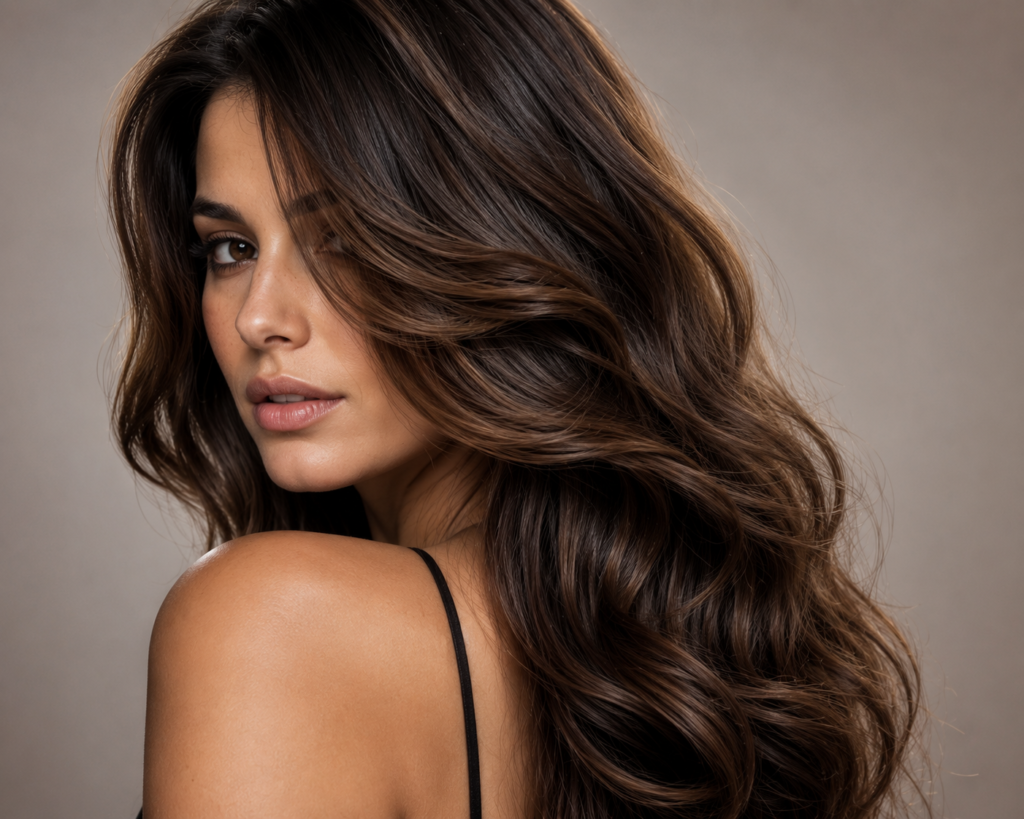
How to Talk to Your Colorist About Lowlights
A successful lowlight service almost always starts with a clear, honest consultation. Bring reference photos, but also be upfront about your hair’s history including past bleaching, box dye, keratin treatments, or any other chemical processes since these all affect how new color will develop. It also helps to be specific about your maintenance expectations. Telling your colorist you want something that can go three to four months without a touch-up, versus something you’re happy to refresh monthly, allows them to choose a placement pattern and shade family that actually fits your lifestyle rather than just your aesthetic preferences.
Don’t be afraid to ask questions during the consultation, such as how many shades darker the lowlights will be compared to your base, whether foils or hand-painting will be used, and how the color is expected to fade over time. A confident, experienced colorist will welcome these questions and use them to fine-tune the service to your specific hair and goals.
Final Thoughts
Lowlights are one of the most versatile, low-maintenance ways to add richness and dimension to your hair without a drastic change. Whether you’re blending gray, balancing out old highlights, or simply want your hair to look more multi-dimensional, this technique consistently delivers a natural, expensive-looking result when done correctly by an experienced colorist.
If you’re considering a color refresh in 2026, lowlights are absolutely worth discussing with your colorist they consistently deliver that coveted “healthy, rich, dimensional” look that’s trending right now across salons, social media, and Pinterest color inspiration boards. And because the technique is so adaptable, there’s no single “right” way to wear lowlights whether you go subtle and barely-there or richer and more defined, the result can be tailored entirely to your hair, your lifestyle, and how much maintenance you’re realistically willing to commit to.
Frequently Asked Questions (FAQ)
Q1: How long do lowlights last? Lowlights typically last 8-12 weeks before needing a touch-up, though this depends on hair growth rate and aftercare routine.
Q2: Can I get lowlights on already highlighted hair? Yes, lowlights are commonly used to balance out overly light or brassy highlighted hair, adding back dimension and warmth.
Q3: Do lowlights damage hair less than highlights? Lowlights generally involve less lightening (or none at all if using a demi-permanent darker shade), which can be gentler on hair compared to traditional bleach highlights.
Q4: Can lowlights help cover gray hair? Yes, lowlights are one of the most effective techniques for blending gray hair naturally, since they mimic natural color variation.
Q5: Are lowlights suitable for short hair? Absolutely. Lowlights work on all hair lengths, though the placement technique may vary slightly for shorter styles.
Q6: Can I combine lowlights with a fringe or bangs? Yes, and many colorists actually recommend it. Adding subtle lowlights around face-framing pieces or a fringe can enhance the eyes and features, since this is one of the areas most visible in everyday interactions.
Q7: Will lowlights make my hair color darker overall? Not necessarily. Because lowlights are applied to select strands rather than the entire head, your overall base color typically stays the same the lowlights simply add pockets of deeper tone throughout, creating dimension rather than an overall darker appearance.