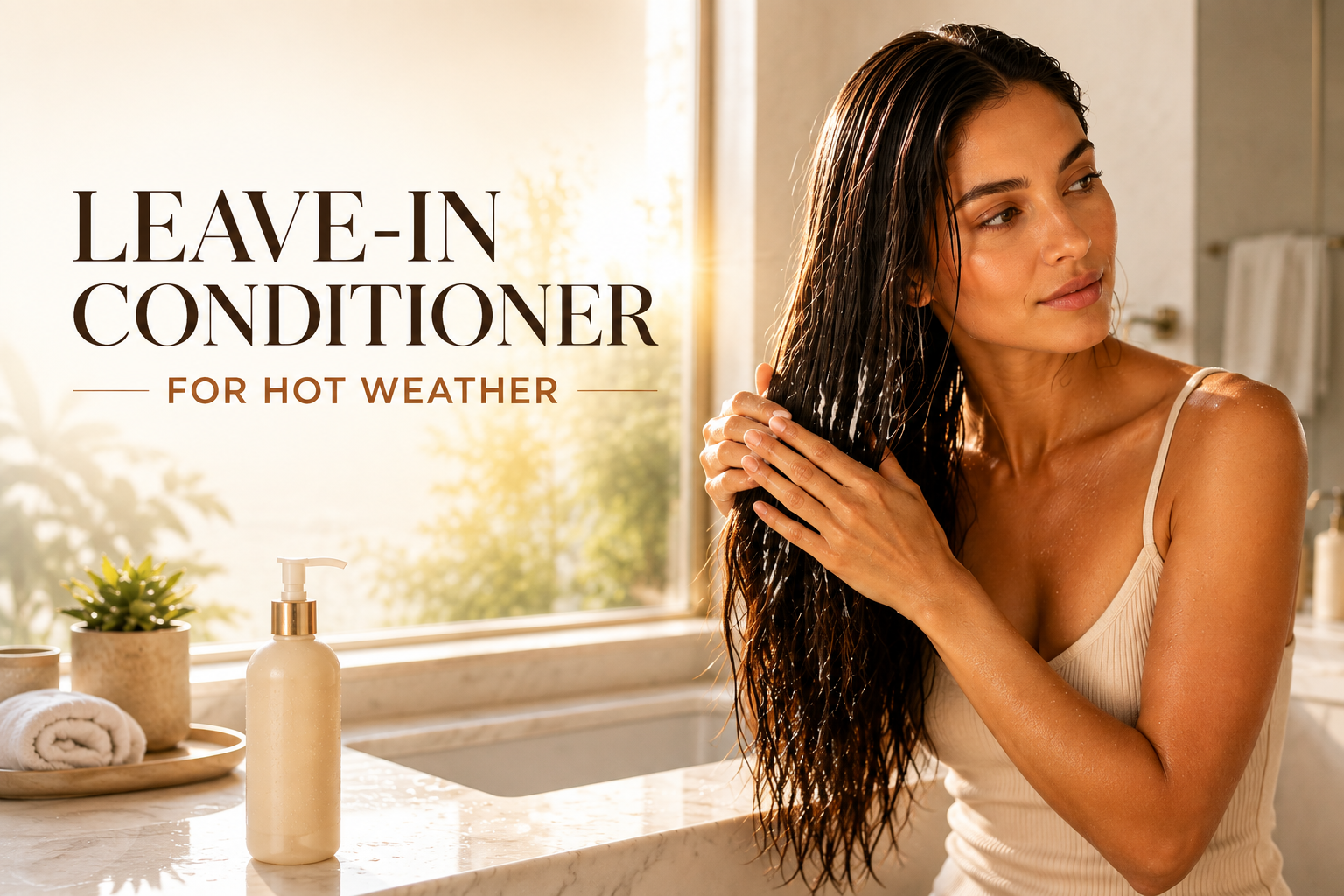
Learn how leave-in conditioner fights frizz and dryness in hot weather, including how to choose, apply, and reapply it for your hair type
Hot weather asks more of hair than most routines are built for. Sun exposure strips moisture, sweat and humidity throw off whatever style was carefully set that morning, and the increased washing that often comes with summer activity can leave hair drier than usual by the end of the season. Leave-in conditioner is one of the simplest tools for managing all of this at once, yet it’s frequently used inconsistently or skipped altogether once temperatures rise.
This guide covers how leave-in conditioner actually works, how to choose and apply it based on hair type, and the specific ways it helps counteract the particular stresses hot weather puts on hair.
Why Leave-In Conditioner Matters More in Summer
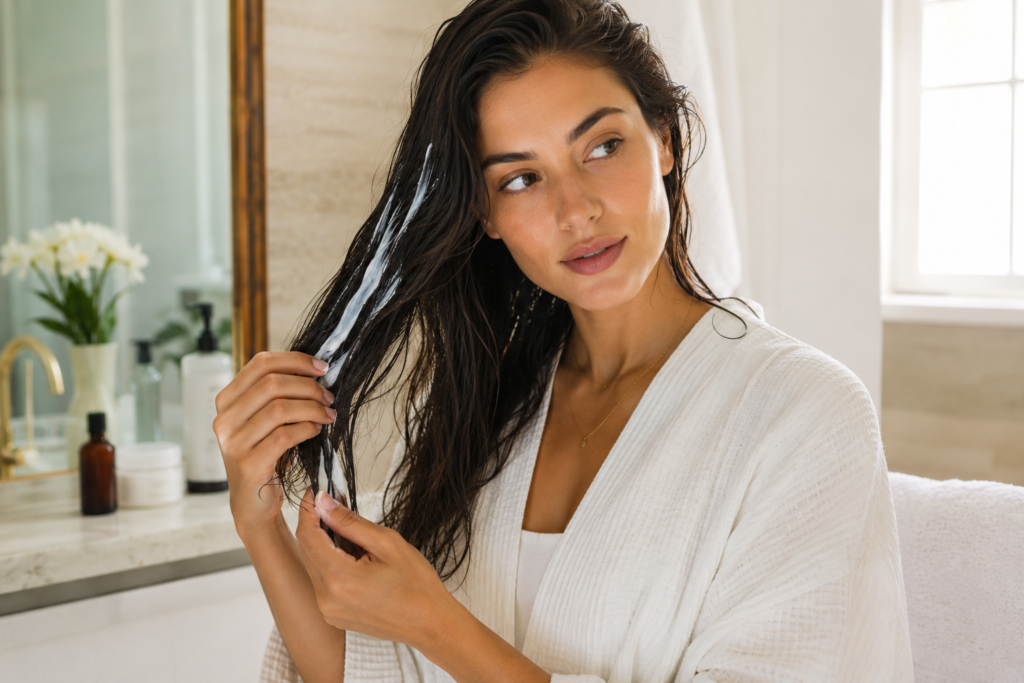
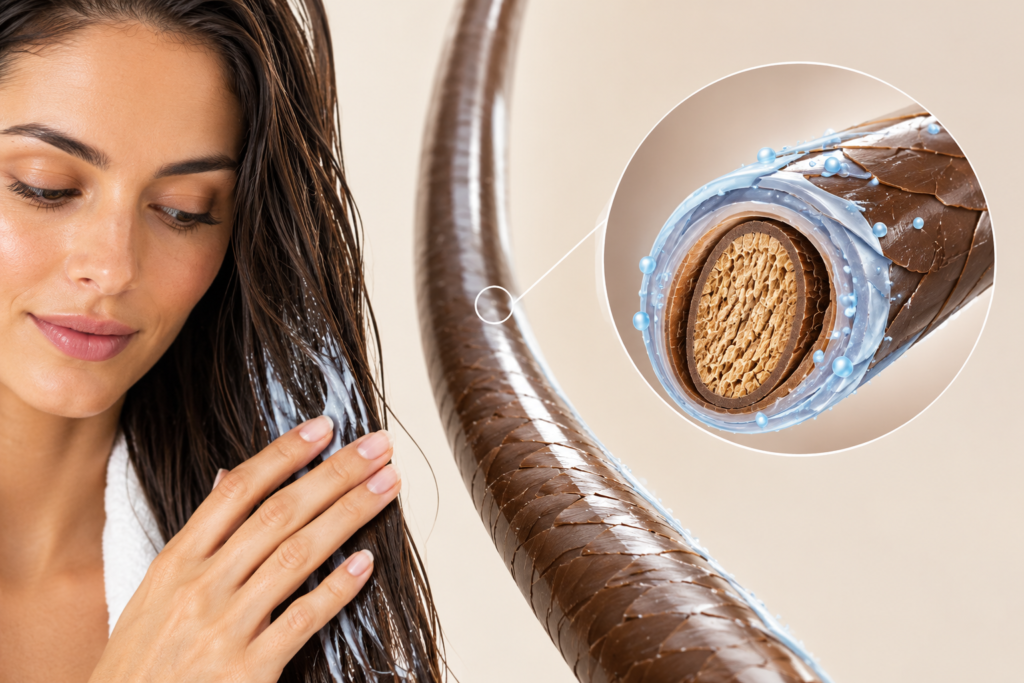
A regular rinse-out conditioner does its job in the shower and washes away, leaving nothing behind to manage hair through the rest of the day. Leave-in conditioner, by contrast, stays on the hair, forming a light protective layer that continues working long after the shower ends. In hot weather specifically, this matters for a few clear reasons. Increased sun exposure gradually breaks down hair’s natural moisture and protein structure, and a leave-in helps offset some of that ongoing damage. Humidity causes the hair shaft to absorb excess moisture unevenly, which is a major contributor to frizz, and a good leave-in helps regulate that moisture exchange. More frequent washing during summer, whether from swimming or general heat-related sweat, strips natural oils faster than usual, making an added layer of hydration more necessary than in cooler months.
Choosing the Right Formula for Your Hair Type
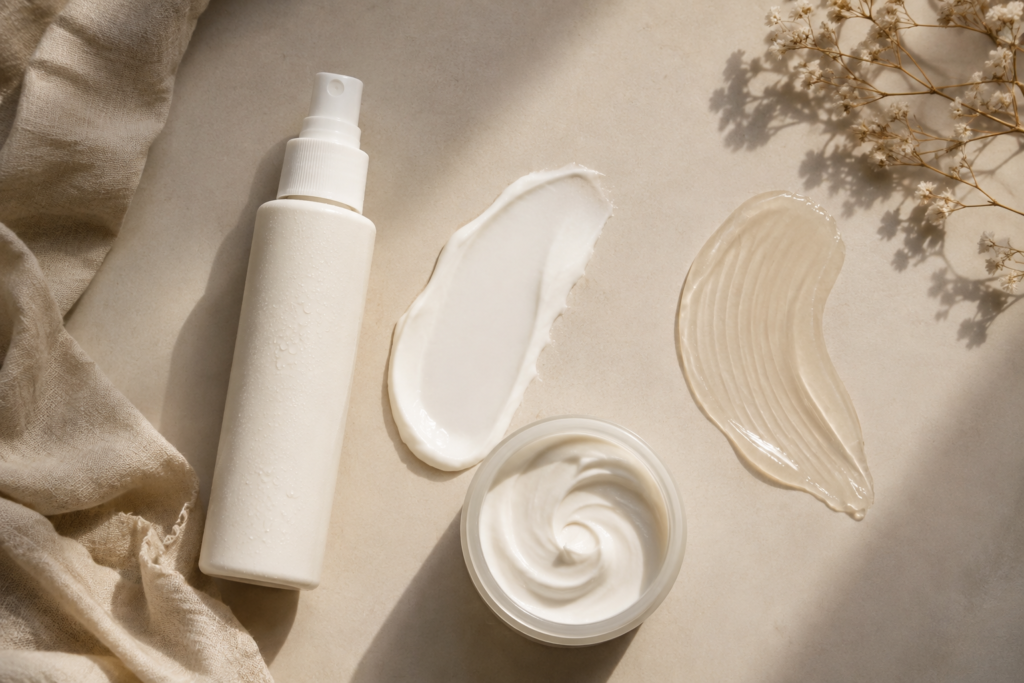
Fine Hair generally does best with a lightweight, water-based leave-in spray, since heavier cream formulas can weigh fine strands down and leave them looking flat.
Thick or Coarse Hair often benefits from a richer, cream-based leave-in with more emollient ingredients, since this hair type typically needs more intensive moisture to combat dryness.
Curly or Coily Hair tends to respond well to leave-ins specifically formulated for curl definition, often used as part of a broader layering routine alongside a cream and gel.
Color-Treated Hair should prioritize leave-ins containing UV protection ingredients, since color-treated strands are more vulnerable to the fading and dryness caused by direct sun exposure.
How to Apply Leave-In Conditioner Correctly
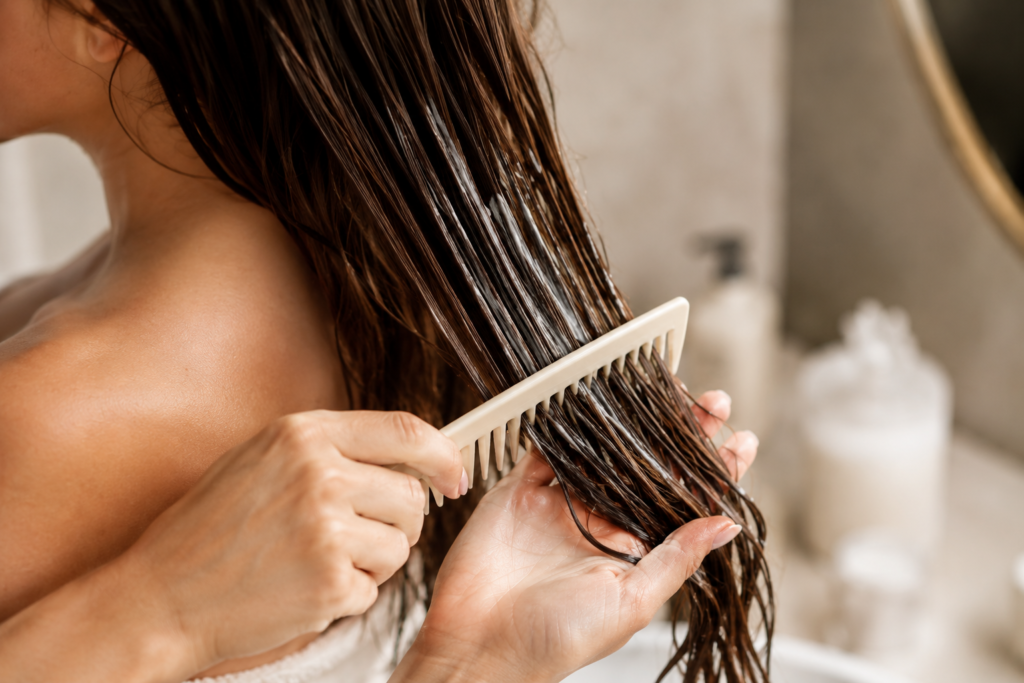
Applying leave-in conditioner to soaking wet, freshly washed hair allows it to distribute more evenly than applying it to already-dry strands. Focusing the product mainly on the mid-lengths and ends, rather than the roots, prevents the scalp from feeling weighed down or greasy, particularly important in already-warm weather. Using a wide-tooth comb to distribute the product through the hair after application helps ensure even coverage from root to tip. For those wanting extra hold and definition, layering a small amount of gel or cream over the leave-in, rather than relying on the leave-in alone, tends to produce better results for curl or texture-focused routines.
Reapplying and Refreshing Throughout the Day
Unlike a rinse-out conditioner, leave-in formulas can often be reapplied later in the day for an extra boost when hair starts to feel dry or frizzy from heat exposure. A small amount of a lightweight, water-based leave-in spray misted over dry hair midday can revive both moisture and manageability without requiring a full rewash. For those swimming or spending extended time outdoors, applying a leave-in before sun or water exposure, then reapplying afterward once hair has been rinsed, helps maintain a more consistent moisture level throughout the day.
Common Mistakes to Avoid
Using too much product, particularly with richer cream formulas, which can leave hair looking greasy or weighed down rather than simply hydrated. Skipping leave-in conditioner entirely during particularly hot or humid stretches, under the assumption that regular conditioner alone is sufficient, when it’s precisely these conditions that benefit most from an added protective layer. Applying leave-in conditioner to dry, unwashed hair as a substitute for washing, rather than as a complement to a proper wash routine, which tends to produce buildup rather than genuine hydration.
Final Thoughts
Leave-in conditioner earns its place in a summer hair routine by doing something rinse-out formulas simply can’t: staying active on the hair throughout the day, exactly when heat, humidity, and sun exposure are working against it. Choosing the right formula for your specific hair type, applying it correctly to damp hair, and reapplying when needed through particularly hot or humid stretches makes a measurable difference in how hair looks and feels by the end of summer.
Frequently Asked Questions (FAQ)
Q1: Can leave-in conditioner be used every day? Yes, most leave-in conditioners are formulated for daily use, particularly lightweight spray formulas, though very rich cream versions may only be necessary a few times a week depending on hair type.
Q2: Is leave-in conditioner necessary if I already use a regular conditioner in the shower? Yes — a rinse-out conditioner and a leave-in serve different purposes, with the leave-in providing ongoing protection throughout the day that a rinse-out formula can’t offer once it’s washed away.
Q3: Will leave-in conditioner make my hair greasy in hot weather? Using an appropriately lightweight formula for your hair type and focusing application on the mid-lengths and ends rather than the scalp generally prevents greasiness, even in warm weather.
Q4: Can leave-in conditioner protect hair from sun damage? Many leave-in formulas include UV-protective ingredients specifically designed to reduce sun-related dryness and color fading, though effectiveness varies by product.
Q5: Should leave-in conditioner be applied before or after swimming? Applying leave-in conditioner before swimming can help create a barrier against chlorine or salt water absorption, and reapplying after rinsing helps restore moisture lost during the swim.
Q6: What’s the difference between a leave-in conditioner and a hair oil? A leave-in conditioner primarily adds moisture and manageability, while a hair oil typically seals in that moisture and adds shine; many routines use both together rather than as substitutes for one another.