Discover the best light hair color shades for 2026, how to choose the right tone for your skin, and how to keep it healthy and brass-free.
Few color changes make as much visual impact as going lighter. After years of working with clients chasing the perfect light hair shade, I’ve learned that “light hair color” means very different things depending on your starting point, skin tone, and lifestyle and getting it right requires more strategy than most people realize.
This guide breaks down everything you need to know about light hair color in 2026: which shades are trending, how to choose the right one for your skin tone, the process involved, and how to keep it looking fresh instead of brassy or damaged.
One thing I always tell clients considering a lighter shade is that “light hair” is rarely a one-appointment decision when coming from a dark base. It’s a journey that often unfolds over several sessions, and understanding that upfront saves a lot of frustration and unrealistic expectations. Rushing the process is the single biggest reason people end up disappointed with their results, whether that disappointment comes in the form of damaged strands, patchy color, or a shade that simply doesn’t suit their complexion.
It also helps to reframe how you think about “going lighter” in the first place. Rather than viewing it as a single destination shade, it’s more useful to think of it as a direction you’re moving in, with checkpoints along the way where you and your colorist can evaluate hair health, tone, and how the color is settling before deciding whether to push further or hold steady for a while. This mindset alone prevents a lot of the disappointment that comes from expecting instant, dramatic results.
What Counts as “Light Hair Color”?
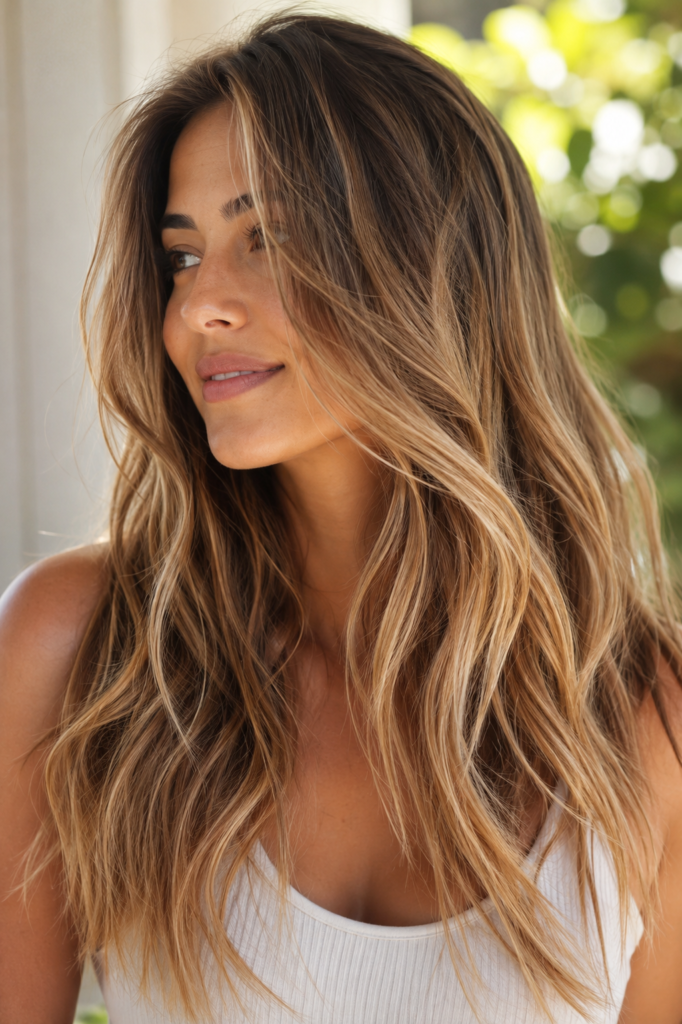
Light hair color isn’t a single shade — it’s a broad category spanning everything from soft light browns and honey tones to pale blondes and icy platinum shades. What unites them is a noticeably brighter overall appearance compared to medium or dark hair, achieved either through lightening (bleach or high-lift color) or through strategic placement of lighter pieces throughout the hair.
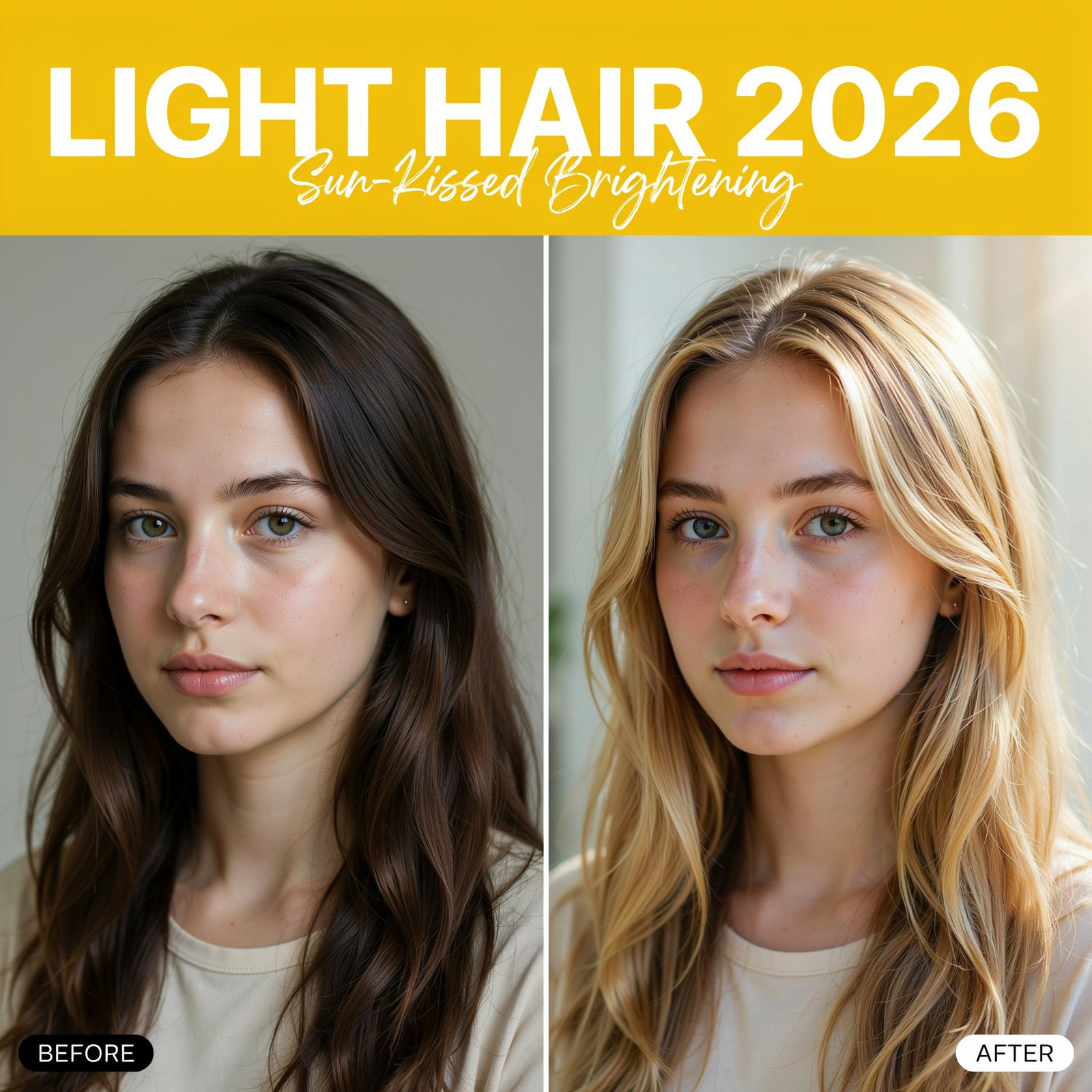
In 2026, the biggest shift in the “light hair” category is a move away from stark, uniform blonde toward softer, more sun-kissed variations that mimic how hair naturally lightens from real sun exposure. This creates a lived-in, effortless look rather than an obviously salon-processed one.
It’s also worth understanding that “light” is relative to your starting point. A light hair color for someone with naturally dark brown or black hair might land somewhere around caramel or light golden brown, while for someone who’s naturally a light brunette, “light hair color” might mean a full transition into blonde territory. This is why the term gets used so broadly across the industry it always describes a lightening direction relative to your base, not a single fixed target shade.
Why Light Hair Color Is Trending in 2026
Several factors are driving the popularity of lighter hair shades this year:
- A continued preference for “your hair but sun-kissed” natural-looking color
- Softer, multi-tonal blondes replacing flat, single-process bleach jobs
- Increased popularity of “money piece” face-framing lightening around the front
- A rise in low-maintenance lightening techniques that grow out gracefully
- Growing interest in warmer light shades (honey, caramel-blonde) over cooler platinum tones
This trend reflects a broader industry move toward color that looks effortless and requires less frequent salon maintenance, which appeals to people balancing style with budget and time constraints. There’s also a cultural component at play as more people prioritize hair health and longer-term color strategies over quick, dramatic transformations, techniques that allow for a graceful, low-drama grow-out period have become significantly more desirable than color that looks great on day one but obviously needs a touch-up within weeks.
Social media has amplified this shift as well. Where past years saw a lot of demand for extremely high-contrast, almost bleached-blonde looks, current trends favor a softer gradient of tone that photographs well in both bright sunlight and dim indoor lighting a practical consideration for anyone whose hair needs to look good across a huge range of everyday settings, not just under a ring light.
Light Hair Color and the Seasons: Does Timing Matter?
Something clients rarely consider is how the season can affect both the process and the maintenance of light hair color. Going lighter in summer often works in your favor, since natural sun exposure helps blend regrowth lines more seamlessly and many people already gravitate toward brighter, sun-kissed tones during warmer months.
Winter lightening, on the other hand, tends to require a bit more strategic planning. Without natural sun to soften the transition, colorists often lean toward slightly warmer, richer light tones during colder months to complement seasonal wardrobe changes and indoor lighting, which can sometimes make cooler-toned blondes look flat or washed out.
Humidity and climate also affect how well toner holds between salon visits. Those living in more humid climates may notice their light color shifts toward brassy tones faster, simply due to increased exposure to environmental minerals and moisture, making purple-toned maintenance products even more essential.
Beyond the season itself, it’s worth thinking about upcoming life events when timing a lightening service. Major transitions — like a wedding, an important professional milestone, or a big vacation — are often better served by starting the lightening process well in advance, giving hair time to settle into its new tone and allowing for any necessary adjustments, rather than attempting a dramatic change in the days right before an important event.
How Light Hair Color Interacts With Hair Texture
Hair texture plays a bigger role in light hair color outcomes than most people realize. Fine hair tends to lighten more quickly and evenly, since there’s less density for the lightening product to penetrate, but this also means fine hair is more susceptible to over-processing and breakage if timing isn’t carefully monitored.
Coarser or thicker hair often requires longer processing times to achieve the same level of lift, and colorists frequently section thicker hair more meticulously to ensure even saturation throughout. Curly hair, meanwhile, can sometimes lighten unevenly due to its structure, which is why many colorists recommend blow-drying curly hair straight before a lightening service to allow for more precise, even application.
Understanding your own hair texture and being upfront with your colorist about your hair’s history including any previous chemical treatments helps ensure a smoother, safer, and more predictable lightening experience overall.
Hair density is another factor that’s often overlooked. Someone with very dense, high-volume hair may need a longer appointment and more product overall, simply because there’s more hair to lighten evenly, while someone with lower density might achieve their target shade more quickly but needs extra care to avoid over-processing given how exposed each individual strand is during the lightening process.
Choosing the Right Light Shade for Your Skin Tone
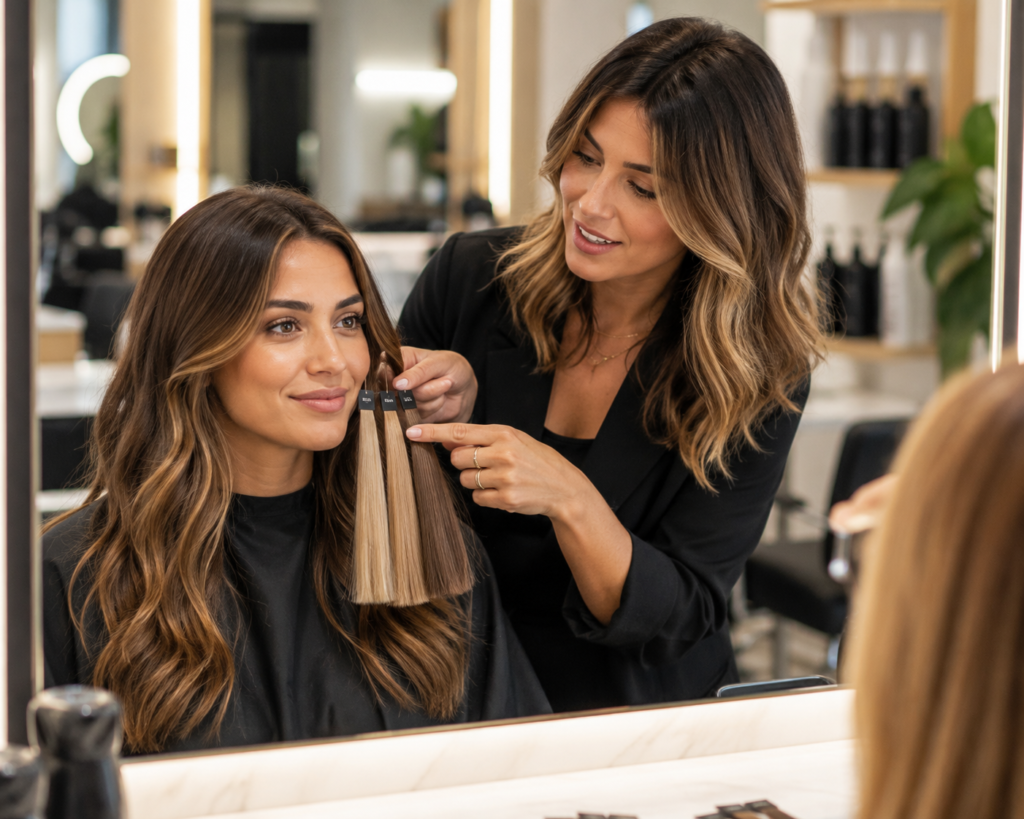
This is where many people go wrong when requesting a lighter color. Skin undertone plays a huge role in which light shades will look flattering versus washed out.
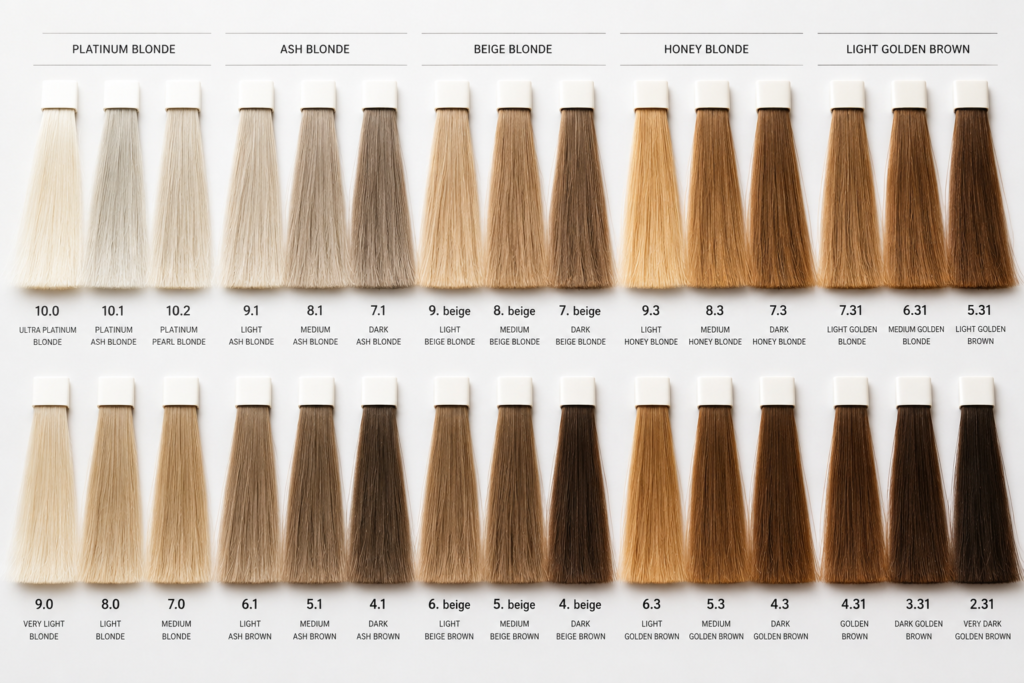
Warm Undertones: Golden blonde, honey, caramel-blonde, and warm light brown tend to complement warm skin beautifully, enhancing natural glow rather than competing with it.
Cool Undertones: Ash blonde, cool beige, and icy light tones typically work best, since warm-toned light colors can sometimes clash with cooler skin, making complexion appear sallow.
Neutral Undertones: Most light shades work well, giving the most flexibility to experiment with both warm and cool-toned lightening options.
A good colorist will always factor in your natural eye color, skin undertone, and even your wardrobe preferences before recommending a specific light shade, since the wrong choice can make an otherwise well-executed color job look unflattering.
Eye color is a detail that’s often overlooked but genuinely matters here. Cooler-toned light shades tend to make blue or gray eyes appear even more striking, while warmer light shades often bring out flecks of gold or green in hazel or brown eyes. It’s a small consideration, but one experienced colorists frequently factor into their final shade recommendation, especially when a client is torn between two very similar options.
How Light Hair Color Is Achieved
Getting to a lighter shade typically involves one or more of these processes:
Bleaching – Used for significant lightening, especially on dark or previously colored hair. This often requires multiple sessions for dramatic changes to avoid excessive damage.
High-lift color – A gentler lightening option than bleach, suitable for those wanting to go a few shades lighter without maximum lift.
Balayage/foilyage – Hand-painted or foiled lightening technique that creates soft, natural-looking dimension rather than flat, uniform color.
Toning – After lightening, a toner is applied to neutralize unwanted brassy or yellow tones, ensuring the final shade looks clean and intentional.
For those with naturally dark hair wanting to go significantly lighter, colorists often recommend a multi-session approach rather than attempting dramatic lightening in a single visit, since this protects hair health and produces a more even, believable result.
It’s also worth understanding what happens beneath the surface during lightening. Bleach works by breaking down the natural pigment (melanin) inside the hair shaft, and hair passes through a series of predictable stages — from red and orange tones through to yellow and finally pale yellow — as it lightens. A skilled colorist monitors this progression closely, often checking strands every few minutes, to stop the process at exactly the right stage before toning. This level of attentiveness is a big part of why professional lightening tends to produce far more even, predictable results than at-home attempts.
Maintaining Light Hair Color Without Damage
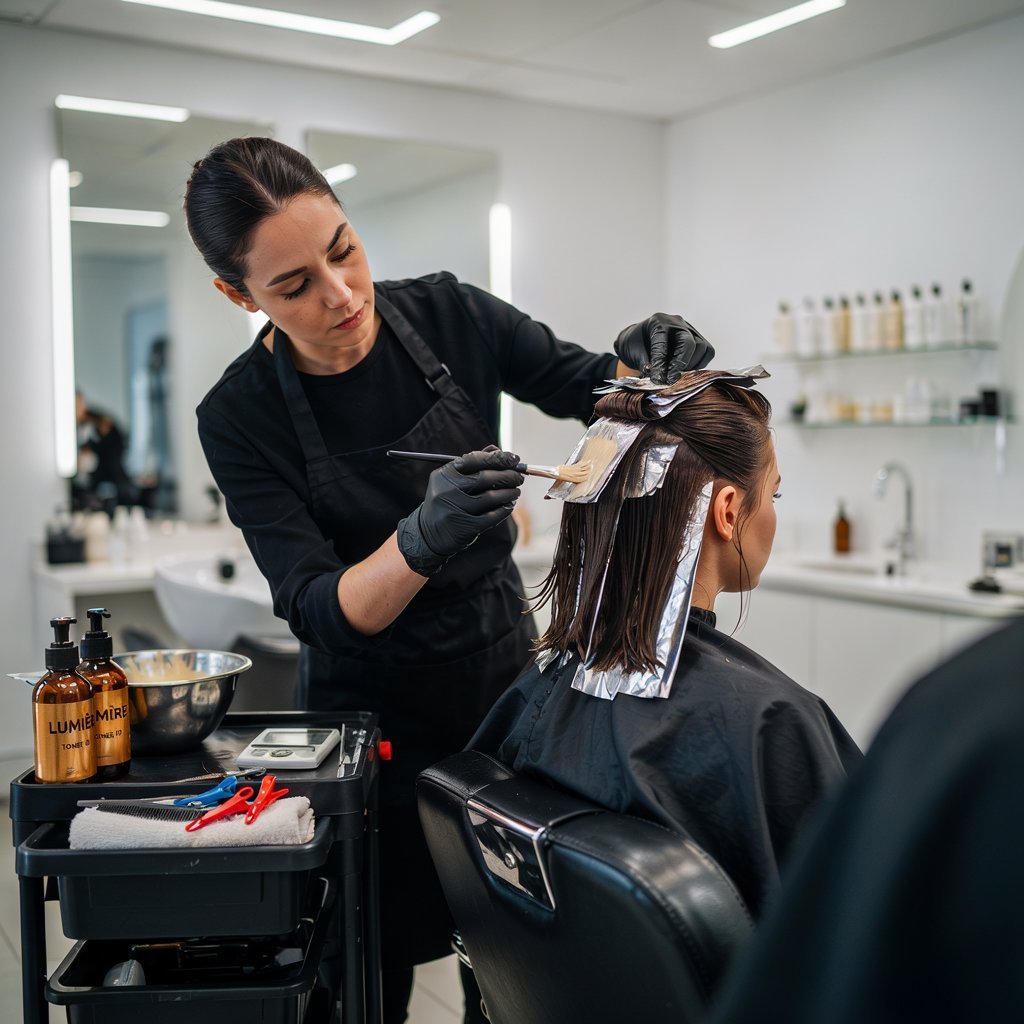
Lightened hair requires more careful maintenance than darker shades, since the lightening process inherently weakens the hair structure. Here’s what actually works:
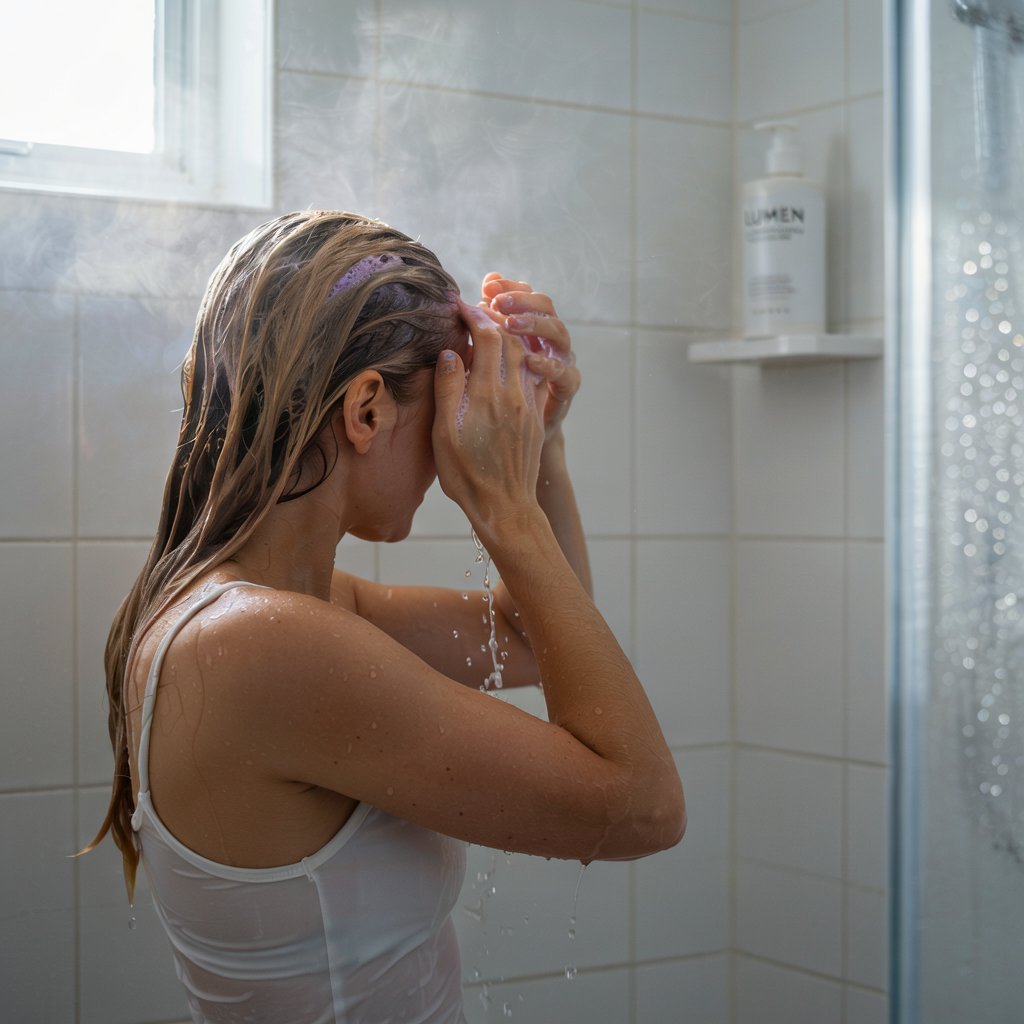
Use a purple or blue-toned shampoo weekly. These color-correcting shampoos neutralize brassiness and yellow tones that naturally develop in lightened hair over time.
Deep condition religiously. Lightened hair loses moisture and protein much faster than natural or darker-colored hair, so weekly deep conditioning treatments are essential, not optional.
Use a bond-building treatment. Products containing bond-repairing technology help rebuild the internal hair structure that bleaching breaks down, significantly reducing breakage and brittleness.
Limit heat styling. Lightened hair is more porous and prone to heat damage, so always use a quality heat protectant and consider lowering your styling tool’s temperature setting.
Trim regularly. Since lightened hair is more prone to split ends and breakage, trims every 6-8 weeks help maintain length and prevent damage from traveling further up the hair shaft.
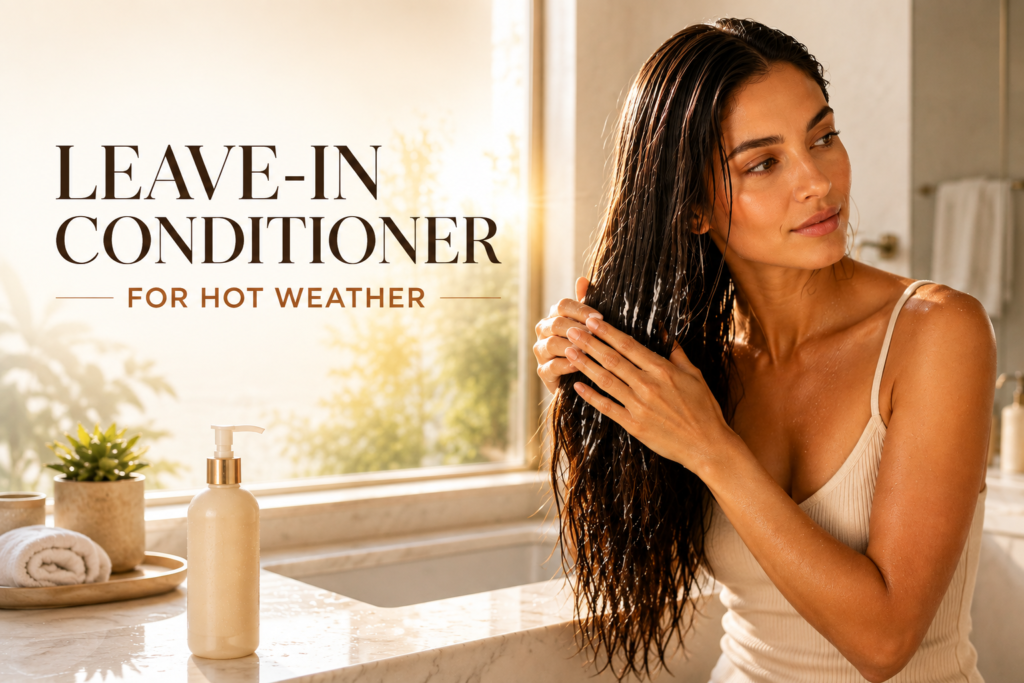
Protect hair before swimming or heavy sun exposure. Chlorine, saltwater, and prolonged UV exposure can all cause light hair color to shift unexpectedly, often turning warmer or greener than intended. A leave-in conditioner or protective spray applied before exposure helps minimize this risk.
Use lukewarm water when washing. Just as with darker color, hot water opens the hair cuticle and accelerates fading, so washing with cooler water helps lightened hair hold its tone longer between salon visits.
Beyond product routines, it’s worth mentioning that hydration and diet also play a supporting role. Hair that’s well-nourished from the inside tends to handle chemical processing better and shows less visible damage after lightening treatments. Staying consistent with a weekly maintenance routine, rather than treating deep conditioning or bond-building treatments as occasional extras, tends to make the biggest long-term difference in how healthy and vibrant light hair color looks over time.
How Much Does Light Hair Color Cost?
Pricing depends heavily on your starting hair color and desired lightness level:
- Partial highlights/lightening: $100-$200
- Full head lightening/balayage: $150-$400
- Dramatic dark-to-light transformations: $300-$600+ (often requiring multiple sessions)
It’s worth discussing a realistic timeline with your colorist if you’re going from a dark base to a significantly lighter shade, since rushing the process increases the risk of damage and unwanted brassy tones.
As with most color services, geography and colorist demand significantly influence final pricing. Highly experienced colorists who specialize in dramatic transformations often charge a premium, but this expertise can end up saving money in the long run by reducing the number of correction appointments needed. It’s also worth asking your salon whether they offer package pricing for multi-session lightening journeys, since some salons provide a discounted rate when you commit to a series of appointments upfront.
Common Mistakes to Avoid
Based on years of witnessing color transformations go both right and wrong, here are the biggest pitfalls:
Going too light too fast – Dramatic lightening in one session on dark hair often leads to breakage and an uneven, brassy result.
Skipping toner – Without proper toning, lightened hair frequently turns brassy orange or yellow within days.
Neglecting aftercare products – Regular shampoo and lack of bond-building treatments accelerate damage and color fading.
Choosing a shade without consulting undertone – This is one of the most common regrets clients express after a lightening appointment.
DIY bleaching at home – Home lightening kits often lead to uneven color and severe damage without professional guidance and proper timing.
Not budgeting for aftercare – Many people spend significant money on the initial lightening service but skimp on the maintenance products needed afterward, leading to faster fading and increased damage over time.
Underestimating the timeline for dark-to-light transformations – Clients sometimes expect a single appointment to fully deliver a dramatic change, when in reality a responsible colorist may recommend spacing sessions out over several weeks or months to protect hair integrity.
Ignoring signs of over-processed hair – Continuing to push for lighter tones when hair is already showing signs of damage, such as excessive breakage, gumminess when wet, or snapping, can lead to serious, sometimes irreversible hair loss. Listening to your colorist when they recommend pausing the process is essential.
It’s also worth noting that patience during the growing-out phase matters just as much as patience during the lightening process itself. Regrowth on light hair color tends to be more visually obvious than on darker shades, which leads some clients to over-schedule touch-up appointments unnecessarily. Working with your colorist to find a root-blending technique, such as a shadow root or soft balayage regrowth, can significantly extend the time between full appointments while still keeping the overall look polished.
Talking to Your Colorist Before Going Lighter
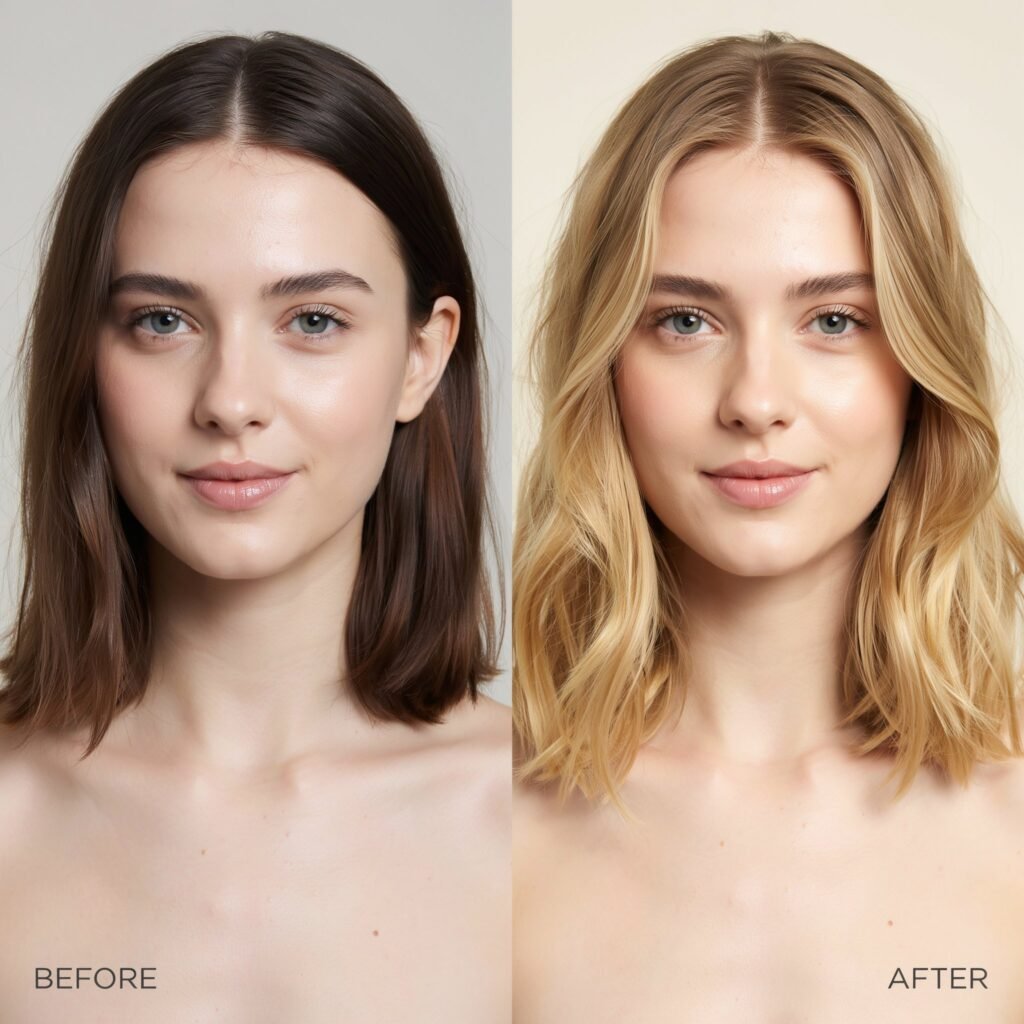
A successful lightening journey depends heavily on an honest, detailed consultation. Be upfront about your hair’s full history, including any box color, keratin treatments, relaxers, or previous bleaching, since these all affect how your hair will respond to further lightening — and in some cases, may mean certain shades simply aren’t achievable in one visit, or at all, without risking significant damage.
It also helps to bring reference photos that show not just the color you like, but the level of brightness and placement pattern you’re drawn to, since “light hair color” can look dramatically different depending on technique. A confident, experienced colorist will use this conversation to set realistic expectations, propose a session plan if multiple visits are needed, and recommend an aftercare routine tailored specifically to your hair’s condition.
Final Thoughts
Light hair color remains one of the most requested transformations in salons, and for good reason — done correctly, it can brighten your entire look and complexion. The key to success lies in choosing the right shade for your undertone, committing to proper aftercare, and being patient with the process if you’re making a significant change from dark to light.
If you’re considering going lighter in 2026, take time to research your colorist’s portfolio, have an honest consultation about your hair’s current condition, and prioritize the health of your hair alongside the color result you’re hoping to achieve. A well-planned, professionally executed lightening journey will always outlast and outshine a rushed one, both in how the color looks and in how healthy your hair feels along the way.
Frequently Asked Questions (FAQ)
Q1: How long does light hair color last before touch-ups are needed? Root touch-ups are typically needed every 6-10 weeks, while toner refreshes may be needed every 4-6 weeks to prevent brassiness.
Q2: Is light hair color more damaging than dark hair color? Yes, lightening processes like bleach are inherently more damaging than depositing darker color, which is why aftercare and bond-building treatments are especially important.
Q3: Can I go from dark hair to light hair in one session? It’s possible but not always recommended, since dramatic lightening in a single session significantly increases the risk of damage and breakage.
Q4: Why does my light hair color turn brassy so quickly? Brassiness occurs as the underlying warm pigments in hair become exposed after lightening; regular use of purple or blue shampoo helps neutralize this effect.
Q5: What light shade works best for fair skin? Fair skin with cool undertones often pairs well with ash or beige blonde tones, while fair skin with warm undertones tends to suit golden or honey-blonde shades better.
Q6: Will light hair color make my hair feel different, even if it looks healthy? Even when lightened hair looks glossy and well-maintained, it often feels slightly different in texture — sometimes a little more porous or dry to the touch — since the lightening process alters the hair’s internal structure. This is completely normal and is exactly why a consistent bond-building and hydration routine matters so much.
Q7: How do I know if my hair can handle going lighter right now? A colorist can assess this during a consultation by checking your hair’s current elasticity, porosity, and overall condition. If your hair is already compromised from previous color or heat damage, they may recommend a strengthening routine first before attempting further lightening.