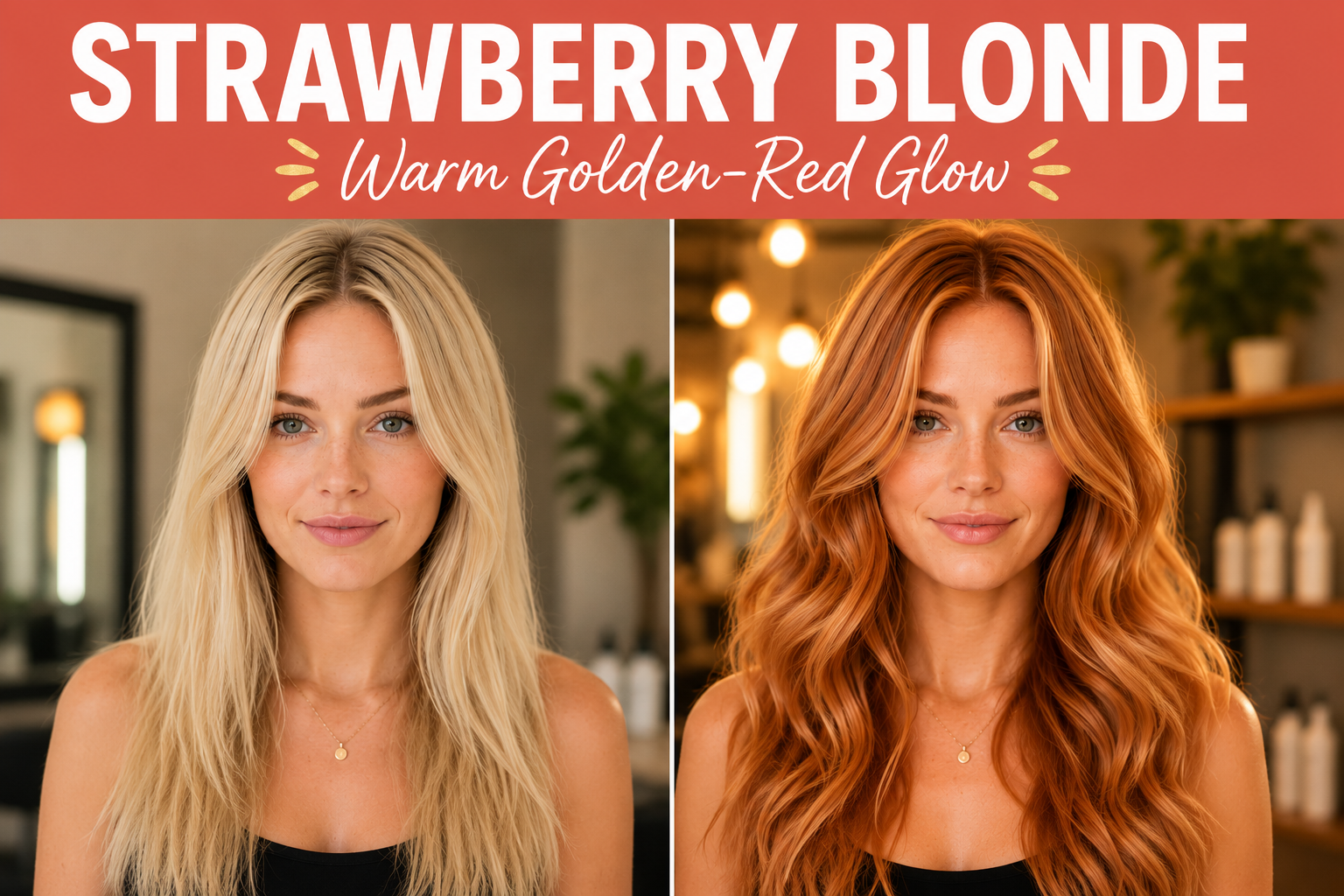
Discover strawberry blonde hair color for 2026 how it’s achieved, who it suits, and how to maintain its warm golden-red glow long-term
Strawberry blonde is one of those rare hair colors that never truly goes out of style it simply evolves with the times. After years of working with clients and studying how this shade has shifted from a niche, hard-to-achieve color into one of the most requested warm tones in 2026, I can say with confidence that strawberry blonde rewards those who understand the nuance behind it.
This guide walks through everything you need to know about strawberry blonde hair color: what makes it unique, who it suits best, how it’s achieved, and how to maintain its signature warmth without it fading into brass or dullness.
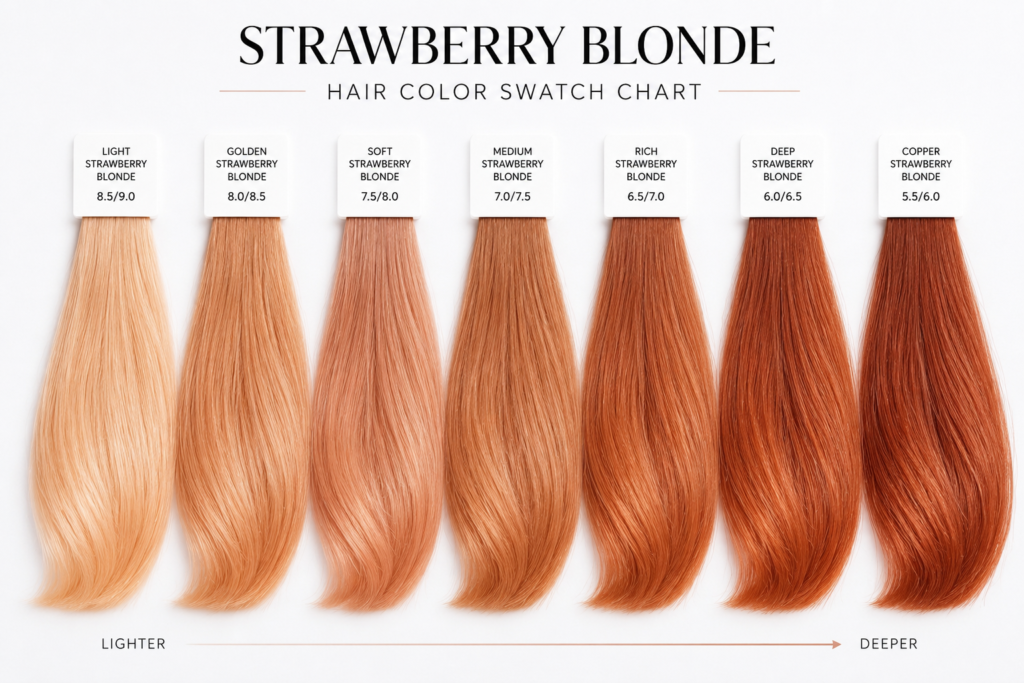
What continues to surprise even experienced colorists is just how many variations exist within the “strawberry blonde” umbrella. Two clients can both ask for strawberry blonde and walk away with noticeably different results depending on their natural base color, desired intensity, and how much gold versus red pigment is layered into the formula. Understanding this range upfront helps set realistic expectations before stepping into the salon chair.
It’s also worth noting that strawberry blonde occupies a unique middle ground in the color wheel that makes it inherently trickier to nail down than a straightforward blonde or red. Because it lives at the intersection of two very different color families, even a slight shift in the underlying formula a touch more gold, a touch less red can move the final result noticeably in one direction or another. This is part of what makes the shade so personal and customizable, but it’s also why clear communication with your colorist matters so much.
What Exactly Is Strawberry Blonde Hair Color?
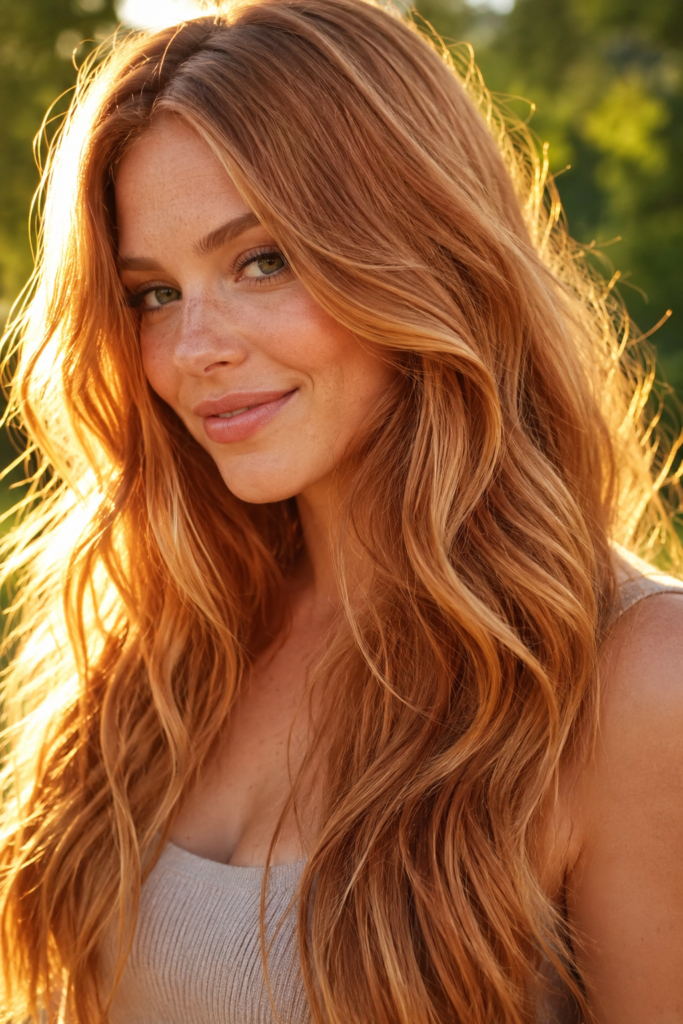
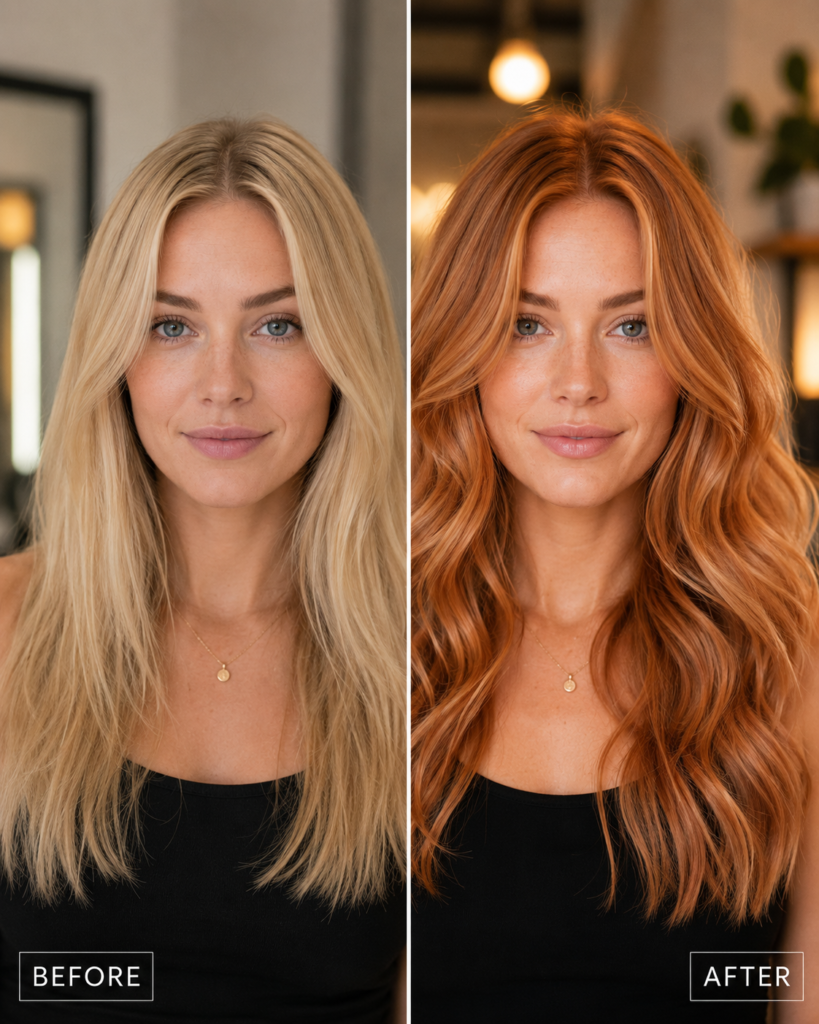
Strawberry blonde is a warm hair color that blends blonde and red tones together, creating a soft, golden-red shade reminiscent of ripe strawberries. It sits distinctly between traditional blonde and red hair color, offering the brightness of blonde with the warmth and richness of red undertones.
Unlike a straightforward auburn or copper shade, strawberry blonde tends to be lighter and more golden overall, with subtle pink or peachy undertones rather than deep, saturated red. This makes it a particularly flattering, wearable shade for a wide range of skin tones and natural hair colors.
It’s also worth pointing out that strawberry blonde is one of the rarer naturally occurring hair colors, which is part of why it carries such a distinct, almost effortless appeal. Colorists are essentially recreating a rare genetic phenomenon through formulation blending precise ratios of red, gold, and blonde pigment to mimic something that occurs naturally in only a small percentage of the population. This is a big part of why the shade tends to draw so much attention and admiration when it’s done well.
Why Strawberry Blonde Is Trending in 2026
Several factors have contributed to strawberry blonde’s resurgence this year:
- A broader trend toward warm, dimensional color over flat, single-process shades
- Increased appreciation for red-adjacent tones that feel less committal than full red hair
- Growing interest in “your hair but warmer” natural-looking color enhancements
- Social media exposure through colorists showcasing multi-tonal strawberry blonde transformations
- A shift toward celebrating natural redheads and red-adjacent tones as a beauty standard, rather than something to be dyed away
Colorists have also noted that strawberry blonde pairs particularly well with fair and medium skin tones featuring warm or neutral undertones, which has helped fuel its popularity across a wide client base. There’s also a generational shift worth mentioning many people who avoided red or red-adjacent tones in the past due to fears of the color looking too bold or high-maintenance are now discovering that strawberry blonde offers a much softer, more approachable entry point into warm hair color than a full vivid red would.
Additionally, as the broader hair color industry continues moving away from high-contrast, obviously processed looks, strawberry blonde has benefited from being a shade that inherently reads as soft and blended rather than stark or artificial. It fits comfortably within the “your hair but richer” philosophy that’s shaping so many of 2026’s biggest color trends.
Strawberry Blonde and the Seasons
Strawberry blonde tends to feel especially fitting during autumn, when warm, golden-red tones naturally complement the season’s overall color palette of amber, rust, and deep gold. Many colorists notice an uptick in strawberry blonde requests heading into fall as clients look to warm up their color alongside seasonal wardrobe changes.
That said, strawberry blonde performs beautifully year-round, and lighter, more golden variations of the shade are particularly popular during spring and summer, when natural sun exposure can enhance the warmth of the color between salon visits. Colorists can adjust the depth and gold-to-red ratio depending on the season and the client’s desired overall vibe.
Some clients even choose to shift the ratio slightly throughout the year, leaning into a brighter, more golden strawberry blonde during summer months and requesting a slightly deeper, more saturated red-gold balance as autumn approaches. This kind of seasonal adjustment is a great example of how flexible and customizable the shade really is once you understand the underlying color theory behind it.
How Strawberry Blonde Interacts With Hair Texture
Hair texture significantly influences how strawberry blonde appears and wears over time. Fine hair tends to take on warm pigments like red and gold more quickly and evenly, since there’s less density for the color to saturate through, though this can also mean the color fades a bit faster due to increased porosity, especially if lightening was involved.
Coarser or thicker hair often requires a longer processing time and more thorough saturation to achieve an even strawberry blonde tone throughout, and colorists frequently work in smaller sections to ensure consistent color distribution. Curly or textured hair can showcase strawberry blonde beautifully, as the multi-dimensional nature of curls tends to catch and reflect the warm gold and red tones in a way that enhances the shade’s natural depth and movement.
As always, sharing your hair’s full history with your colorist including any prior coloring, heat styling habits, or chemical treatments allows them to plan the safest and most effective path to your desired strawberry blonde result.
It’s also worth mentioning that hair density can subtly affect how “loud” or “soft” the final strawberry blonde result reads visually. Denser hair tends to show off the color’s richness more dramatically since there’s simply more colored surface area catching the light, while lower-density hair often produces a softer, more diffused version of the same formula. Colorists sometimes adjust their approach slightly based on this factor to achieve the client’s desired level of visual intensity.
Who Should Try Strawberry Blonde?
Strawberry blonde works beautifully across many hair types and skin tones, though certain factors influence how naturally the color will appear:
Natural Blondes: Those with naturally light or medium blonde hair often achieve the most seamless, natural-looking strawberry blonde results, since less lifting or color correction is needed.
Warm or Neutral Skin Undertones: Strawberry blonde tends to complement warm and neutral skin tones especially well, enhancing natural warmth without appearing jarring or artificial.
Those with Naturally Red or Auburn Hair: People with natural red or auburn hair often find strawberry blonde a flattering, lower-maintenance lightening option, since their natural pigment already contains the warm red tones needed for the shade.
Fair to Medium Skin Tones: This shade is especially flattering on fair and medium skin tones, though skilled colorists can adjust the depth and gold-to-red ratio to suit a broader range of complexions.
Those with Freckles or Warm Undertone Eyes: While not a strict requirement, many colorists note that strawberry blonde has a particularly harmonious effect on clients with freckles or warm-toned hazel and green eyes, since the shade tends to visually tie these features together in a cohesive, naturally warm palette.
The Process: How Strawberry Blonde Is Achieved
Getting to a genuine strawberry blonde shade typically involves a carefully balanced coloring process:
Lightening (if needed) – Those with darker natural hair often need to be lightened first to a pale yellow or golden-blonde base before red or gold tones can be layered on top accurately.
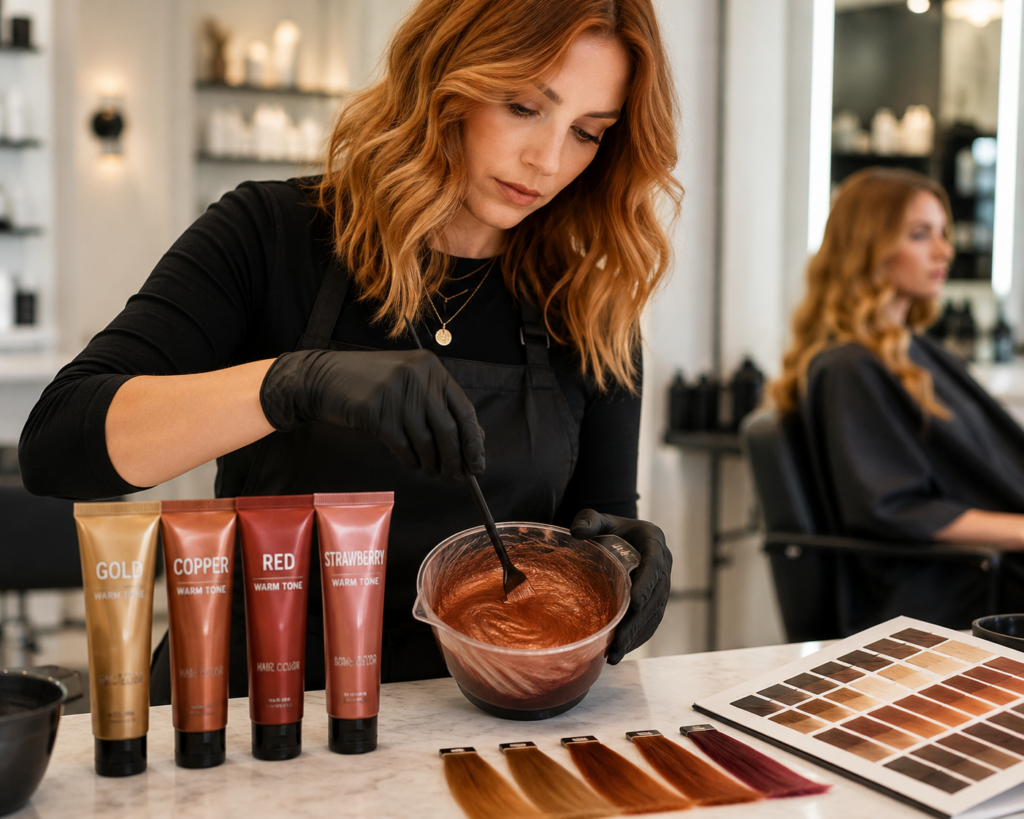
Color Formulation – Colorists mix warm red, gold, and copper pigments in specific ratios to achieve the signature strawberry blonde balance, avoiding shades that skew too orange or too pink.
Toning – A gentle gloss or toner is applied to fine-tune the final shade, ensuring the color looks cohesive and multi-dimensional rather than flat or one-note.
Highlights or Balayage (optional) – Many colorists add subtle golden or coppery highlights throughout to enhance dimension and create a more natural, sun-kissed variation of the strawberry blonde base.
Because achieving the right red-to-gold ratio requires significant color theory expertise, strawberry blonde is generally considered one of the more technically demanding shades to execute well, making an experienced colorist particularly important for this transformation.
It’s also worth understanding that strawberry blonde formulas are rarely a single-step mix straight from a color chart. Many colorists custom-blend two or more base formulas to land on the exact warmth level a client is after, then adjust that formula slightly at each subsequent appointment based on how the previous color faded. This is why working consistently with the same colorist over time tends to produce increasingly refined, personalized results they build a working knowledge of exactly how your hair processes and holds the shade.
Maintaining Strawberry Blonde Hair Color
Warm, red-toned shades like strawberry blonde are notoriously prone to fading faster than cooler tones, since red pigment molecules are larger and wash out more quickly. Here’s what actually works to maintain vibrancy:
Use color-safe shampoo formulated for red or warm tones. These specialized formulas help slow down the fading process that’s especially pronounced in red-adjacent hair colors.
Wash with cool water. Hot water accelerates color fading significantly, and this effect is even more noticeable with warm-toned shades like strawberry blonde.
Limit wash frequency. Washing 2-3 times a week rather than daily helps preserve the vibrancy of the red and gold pigments for a longer period between salon visits.
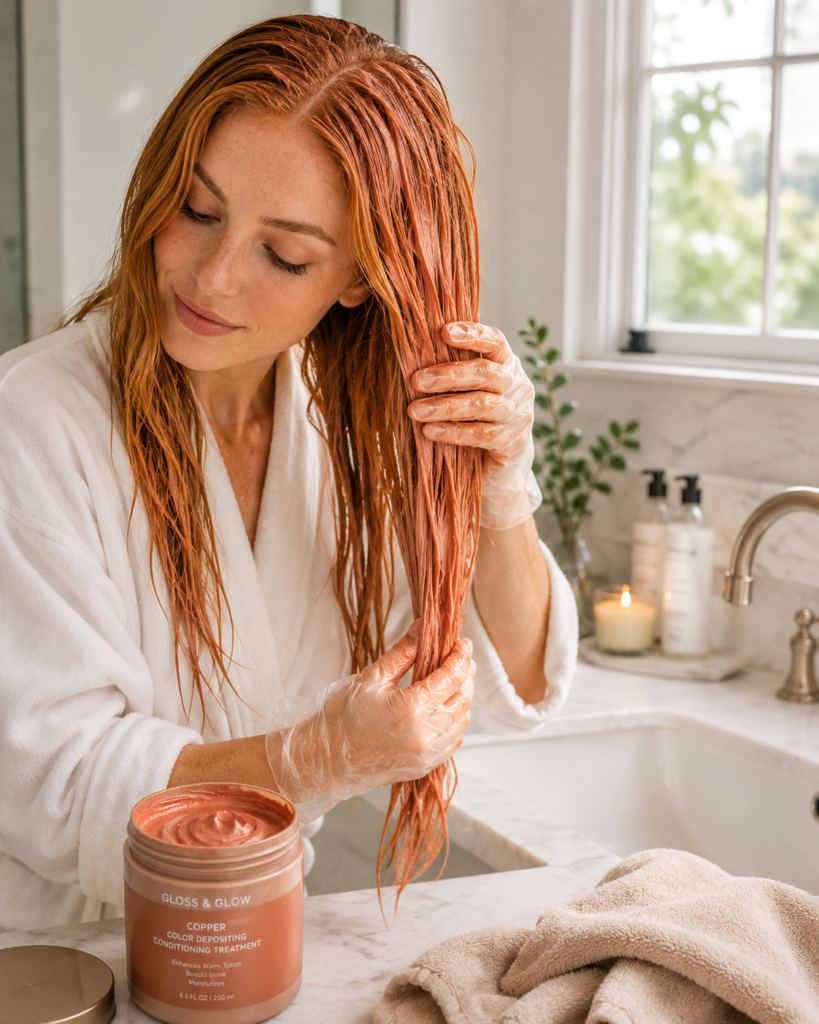
Use a color-depositing conditioning treatment. Applying a strawberry-blonde or copper-toned conditioning mask every 1-2 weeks helps refresh the color and maintain warmth between full salon appointments.
Protect from sun exposure. UV rays can cause warm tones to fade unevenly or shift toward a duller, more washed-out shade, making UV-protective hair products worth considering, especially during summer.
Deep condition consistently. Since strawberry blonde often requires some degree of lightening, hair may be more porous and prone to dryness, making regular deep conditioning essential for maintaining both hair health and color vibrancy.
Be cautious with clarifying shampoos. While clarifying shampoo is useful for removing product buildup, overusing it can strip warm pigments especially fast. It’s generally best reserved for occasional use rather than a regular part of the wash routine when maintaining strawberry blonde.
Consider a gloss refresh between full color appointments. A quick, low-commitment gloss treatment at the salon can restore shine and warmth to fading strawberry blonde hair without requiring a full color service, making it a cost-effective way to extend the life of your color.
How Much Does Strawberry Blonde Cost?
Pricing depends heavily on your starting hair color and the amount of lightening or color correction required:
- Toning/gloss only (already blonde base): $70-$150
- Full color with lightening: $150-$350
- Multi-session transformations from dark hair: $300-$600+
Because achieving the correct warm balance requires skill, it’s worth investing in a colorist who has specific experience with red and strawberry-toned shades rather than choosing based on price alone.
Given how technically demanding this shade is to formulate correctly, it’s also worth budgeting for the possibility of a follow-up toning appointment shortly after your initial service, since even experienced colorists sometimes fine-tune the exact warmth level once they see how the color settles on your specific hair over the following week or two. Many salons offer this as a complimentary or reduced-cost adjustment within a short window after the original appointment, so it’s worth asking about this policy upfront.
Common Mistakes to Avoid
Based on years of observing successful and unsuccessful strawberry blonde transformations, here are the most frequent pitfalls:
Getting the ratio wrong – Too much red pigment can result in a shade that looks more like copper or auburn, while too little results in a flat, dull blonde with no warmth.
Skipping a proper consultation – Skin undertone and natural hair color both significantly affect which strawberry blonde variation will look most flattering.
Using regular shampoo – Standard shampoo strips warm tones especially quickly, causing the color to fade into a dull, brassy shade within weeks.
DIY color correction – Attempting to adjust strawberry blonde tones at home often results in unpredictable, uneven color that’s difficult to correct.
Neglecting UV protection – Sun exposure can cause uneven fading, particularly noticeable in warm, red-toned hair colors like strawberry blonde.
Ignoring hair porosity – Highly porous hair, often the result of previous chemical treatments, can absorb warm pigments unevenly, leading to patchy or blotchy results if not addressed before coloring.
Comparing your results to a reference photo too literally – Because strawberry blonde looks different on every hair type and base color, expecting an exact match to a reference photo without accounting for your own natural starting point can lead to unnecessary disappointment. A good colorist will explain how your result may differ and why.
Waiting too long between toning appointments – Because the red and gold pigments in strawberry blonde fade at different rates, waiting too long between refreshes can cause the color to shift into an unbalanced, less flattering tone rather than fading evenly.
As with most complex color transformations, working closely with a colorist who takes the time to understand your hair’s unique history and desired outcome tends to produce far more satisfying, long-lasting results than rushing into a single dramatic appointment.
Talking to Your Colorist About Strawberry Blonde
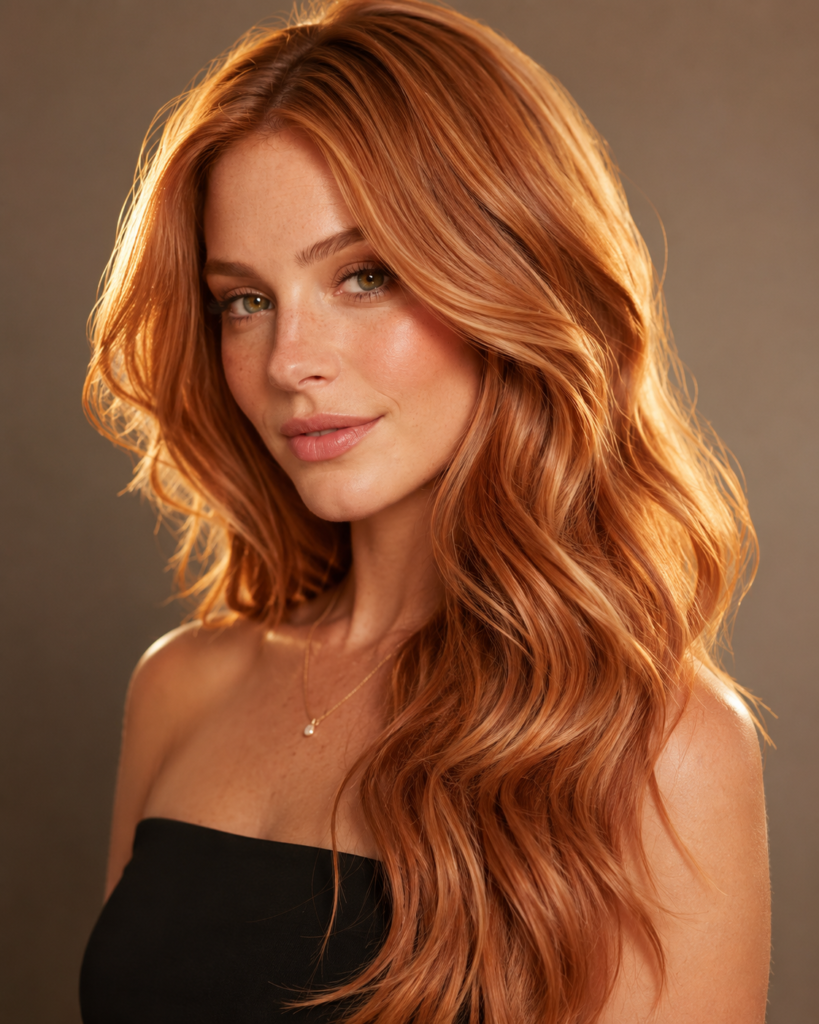
Because this shade relies so heavily on precise color theory, a thorough consultation is essential. Bring reference photos, but also be prepared to discuss the level of warmth you’re after in relative terms do you want something closer to a soft golden blonde with just a hint of red, or a more pronounced golden-red that leans closer to copper? These distinctions matter enormously when formulating the final color.
It’s also worth discussing your maintenance habits honestly. If you know you’re unlikely to keep up with frequent toning appointments or color-safe products, mentioning this upfront allows your colorist to choose a slightly more fade-resistant formula or placement technique, rather than one that requires near-perfect aftercare to look its best.
Final Thoughts
Strawberry blonde remains one of the most rewarding yet technically demanding hair colors to achieve well. Its unique blend of warmth and brightness makes it a versatile, flattering choice for many skin tones and natural hair colors, but success depends heavily on finding a colorist who understands the delicate balance of red and gold pigments required.
If you’re considering strawberry blonde in 2026, take the time to research colorists with specific experience in warm, red-toned shades, be patient if you’re transitioning from a darker natural color, and commit to a proper aftercare routine that protects the vibrancy of this beautiful, timeless shade.
Frequently Asked Questions (FAQ)
Q1: Does strawberry blonde work on naturally dark hair? Yes, but it typically requires pre-lightening to a pale blonde base first, since the warm red and gold tones need a light foundation to show up accurately.
Q2: How often do I need touch-ups for strawberry blonde? Most people need a toning refresh every 4-6 weeks, with fuller color touch-ups needed every 8-10 weeks depending on regrowth and fading.
Q3: Will strawberry blonde fade into a different color? Yes, strawberry blonde commonly fades toward a paler, more washed-out blonde as the warm red pigments naturally fade faster than the underlying blonde base.
Q4: Is strawberry blonde suitable for all skin tones? While it’s especially flattering on warm and neutral undertones, skilled colorists can adjust the gold-to-red ratio to create a flattering variation for most skin tones.
Q5: Can I maintain strawberry blonde at home between salon visits? Yes, using color-depositing conditioners or masks formulated for warm or red tones can help maintain vibrancy and slow down fading between appointments.
Q6: Can I go from strawberry blonde back to my natural color easily? It depends on how much lightening was involved initially. If your natural color is darker than the strawberry blonde shade, growing it out will show a visible demarcation line, and most people choose to either gradually blend it out with lowlights or use a semi-permanent color to ease the transition rather than doing it abruptly.
Q7: Does strawberry blonde suit gray or graying hair? Yes, in fact many colorists recommend warm, strawberry-toned shades as a flattering way to blend early gray hair, since the golden-red warmth can soften the contrast between gray strands and the surrounding hair in a way that looks natural rather than obviously colored.