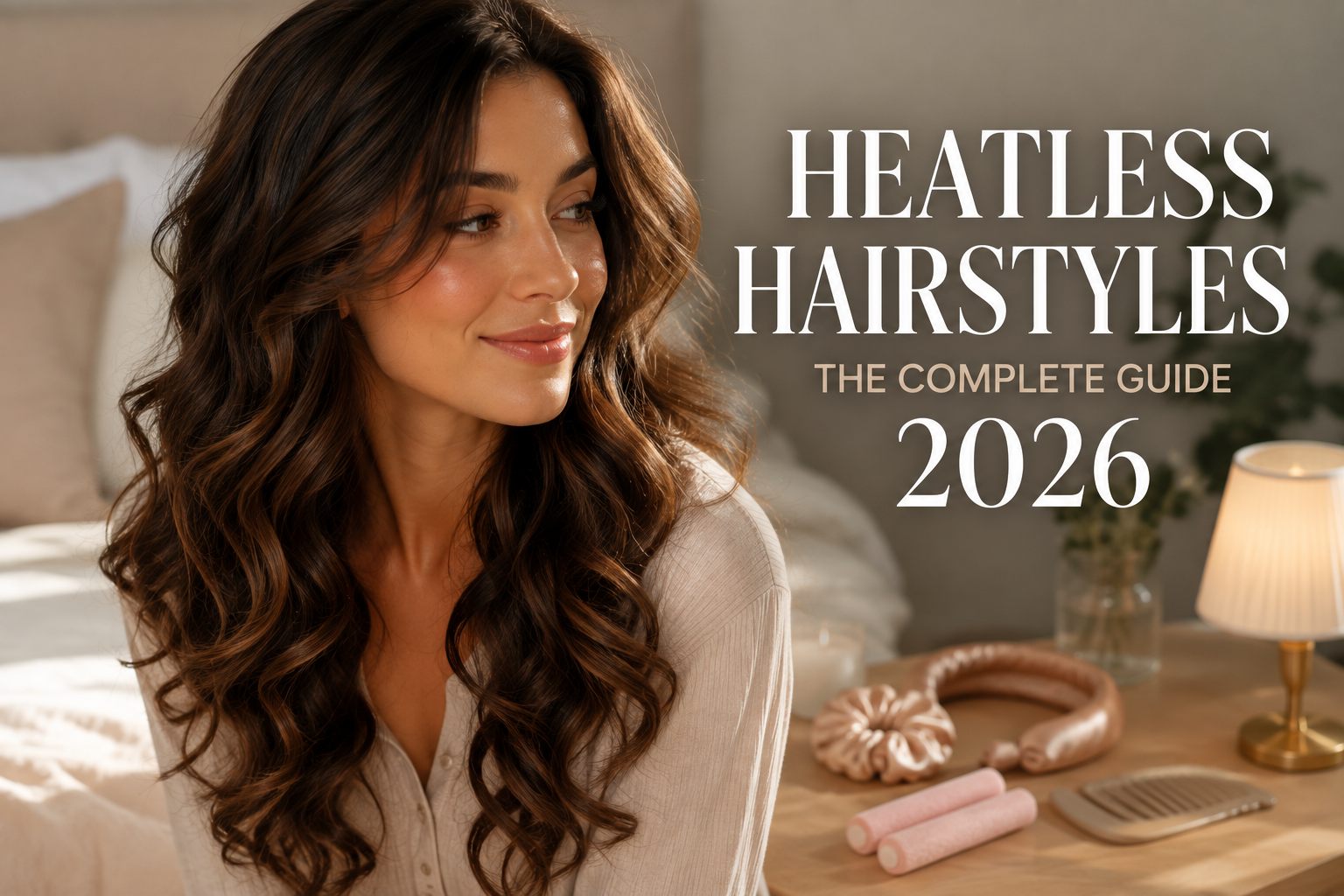
Discover heatless hairstyles for 2026 the techniques, tools, and routines that create beautiful waves and curls without any heat damage.
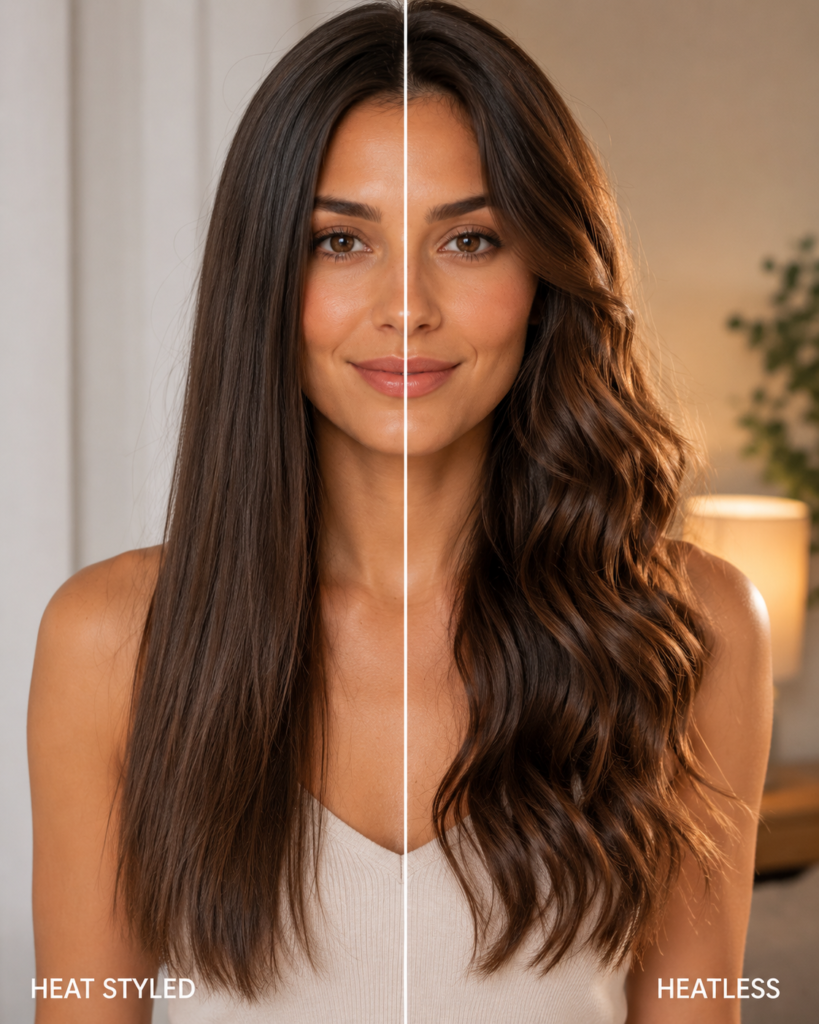
Heatless hairstyling has moved from a niche hair-health trend into a genuine mainstream category, and after years of watching clients cycle through damaged, over-processed hair from daily hot tool use, I can say this shift is long overdue. The idea isn’t to give up styled, intentional-looking hair it’s to get the same visual result through techniques that don’t slowly compromise your hair’s health every time you reach for a flat iron.
This guide covers everything you need to know about heatless hairstyles in 2026: the specific techniques that actually work, how to adapt them to your hair type and length, and how to build a realistic heatless routine that fits into your daily life rather than requiring an inconvenient overnight commitment every single time.
Something worth understanding from the start is that heatless styling isn’t a compromise version of heat styling done correctly, it often produces longer-lasting, more natural-looking results than heat does, since the curl or wave pattern forms more gradually and tends to hold up better throughout the day.
Why Heatless Hairstyling Is Trending in 2026
Several factors are driving the continued rise of heatless styling this year:
- Growing awareness of long-term heat damage and its cumulative effect on hair health, shine, and breakage
- Increased popularity of overnight and no-tool styling methods shared widely across social platforms
- A cultural shift toward valuing hair health alongside styling results, rather than prioritizing one over the other
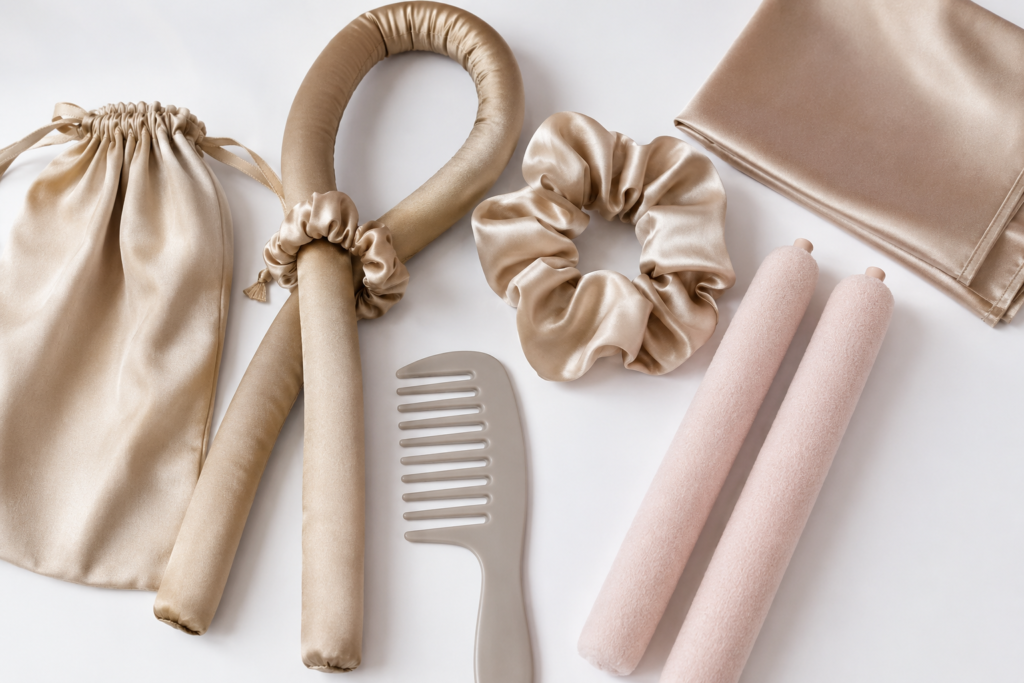
- More affordable and accessible heatless styling tools, like silk wraps, foam rollers, and specialized headbands
- A broader movement toward simplifying beauty routines without sacrificing polish
Stylists have also noted that clients are increasingly asking for haircuts specifically designed to work well with heatless methods, which has influenced how many salons approach consultations, factoring in a client’s willingness to use heat tools from the very first cut.
The Most Effective Heatless Styling Techniques
Several methods have proven particularly reliable for achieving beautiful, long-lasting results without any heat:
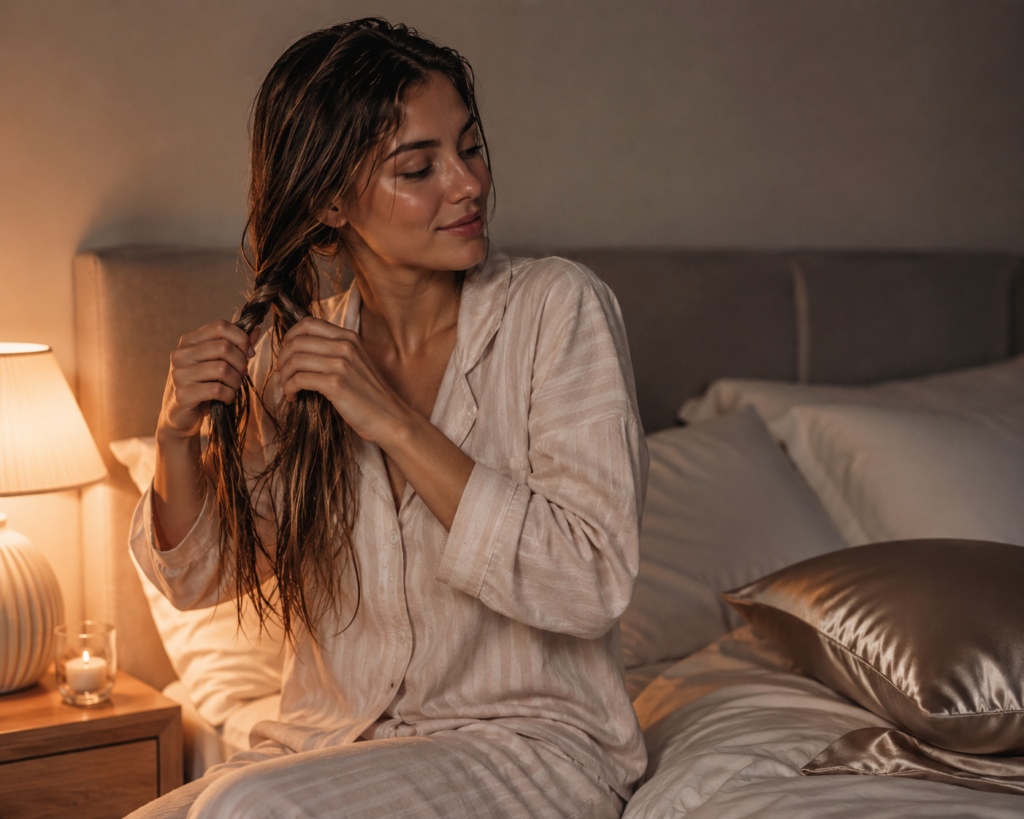
The Overnight Braid – Braiding damp hair before bed and unraveling it in the morning creates soft, natural-looking waves that can last for a full day or more, especially when finished with a light texturizing spray.
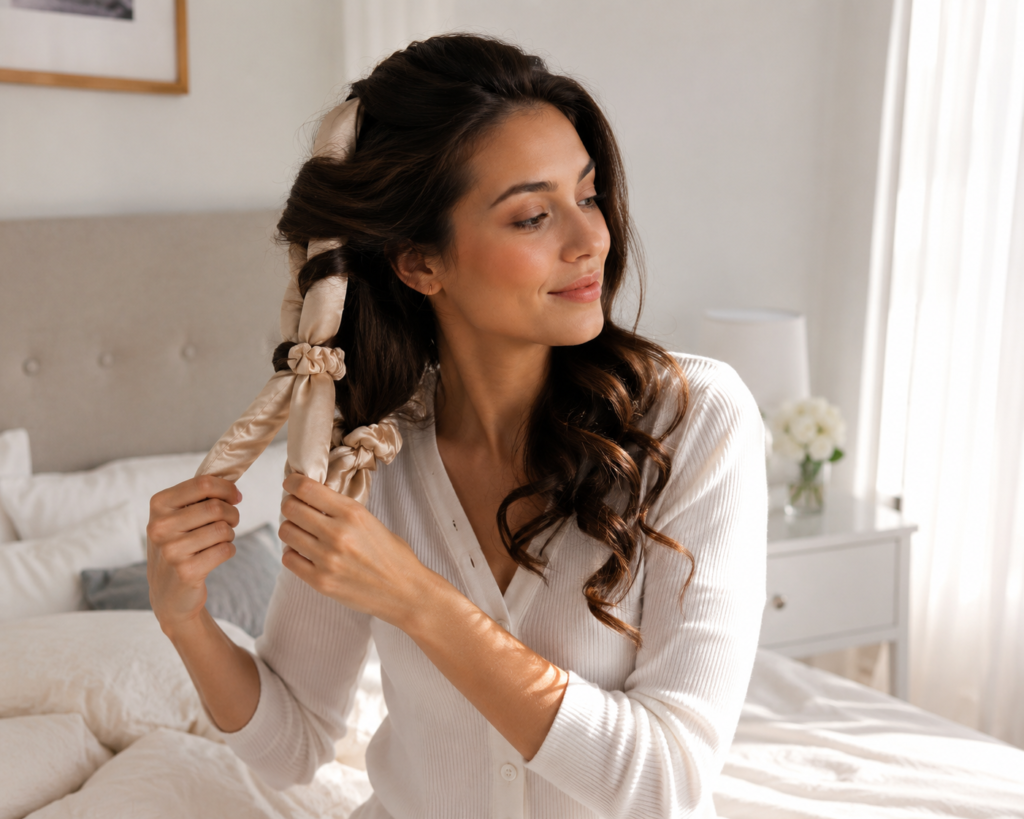
Silk Ribbon or Heatless Curl Wrap – Wrapping sections of hair around a silk ribbon or specialized foam headband overnight creates smooth, voluminous curls without any heat exposure at all.
Twist-Outs – Popular among curly and coily hair types, this technique involves twisting damp, product-coated sections of hair and allowing them to dry fully before unraveling, resulting in defined, long-lasting texture.
Foam or Flexi Rod Sets – These flexible rollers can be used on damp hair and left in for a few hours or overnight, creating structured curls that hold their shape well throughout the day.
Bantu Knots – Small, twisted knots created throughout damp hair produce tight, defined curls once unraveled, and this technique works particularly well on medium to coarse hair textures.
How Heatless Styling Works With Different Hair Textures
Understanding your hair’s natural tendencies helps determine which heatless method will work best and how long the results will realistically last.
Straight Hair: Naturally straight hair typically needs a slightly longer overnight setting time to hold a heatless wave or curl, since there’s less natural texture to help the style maintain its shape once released.
Wavy Hair: This texture tends to respond especially well to heatless methods, since the hair already has some natural bend that heatless techniques can enhance and define further with minimal effort.
Curly Hair: Many heatless techniques, like twist-outs and Bantu knots, were developed specifically with curly hair in mind, making this texture one of the most naturally compatible with heatless styling overall.
Fine Hair: Lighter-hold techniques, like a loose overnight braid, tend to work better on fine hair than more structured methods, since fine strands can sometimes fall flat under heavier rod or knot techniques.
Building a Reliable Heatless Routine
Getting consistent results from heatless styling typically comes down to a few key habits:
Style on Damp, Not Soaking Wet Hair – Hair that’s too wet takes far too long to dry and can result in a limp, undefined style; damp hair holds shape more effectively and dries within a reasonable timeframe.
Use the Right Product for Your Hair Type – A lightweight mousse or curl cream helps hold the shape of a heatless style without weighing hair down, while thicker gels can work well for more defined curl patterns.
Allow Enough Drying Time – Whether styling overnight or during the day, hair needs to be fully dry before unraveling a heatless style, since releasing it while still damp often causes the shape to fall out quickly.
Finish With a Light Texturizing Spray – This can help enhance and extend the life of a heatless style once it’s released, adding grip and hold without introducing heat.
Protect the Style While You Sleep – If you’re not styling overnight specifically, using a silk bonnet or scarf can help preserve a heatless style you achieved during the day, extending its life into the following morning.
Common Heatless Styling Mistakes to Avoid
Based on years of hearing about heatless styling attempts that didn’t go as planned, here are the most frequent issues:
Styling Hair That’s Too Wet – This is the single most common reason heatless styles fail to hold; hair needs to be damp, not dripping, for the technique to set properly.
Using Too Much or Too Little Product – Overloading fine hair with heavy product can weigh down the style, while using too little on thicker or curlier hair may not provide enough hold to maintain the shape.
Not Allowing Enough Time to Dry – Rushing the process and releasing a heatless style before hair is fully dry often results in the wave or curl falling out within an hour or two.
Choosing the Wrong Technique for Your Hair Type – A method that works beautifully on curly hair might not translate well to fine, straight hair, and vice versa, so it’s worth experimenting to find your specific hair’s best match.
Expecting Identical Results to Heat Styling – Heatless waves and curls tend to look slightly softer and more natural than heat-styled versions; adjusting expectations toward this more relaxed aesthetic helps avoid disappointment.
Heatless Styling for Special Occasions
While heatless techniques are often associated with everyday, low-effort styling, they can absolutely be used for more polished, special-occasion looks as well. The key is starting the process further in advance and using slightly more structured techniques, like foam rollers or flexi rods, which tend to produce more defined, longer-lasting curls than a simple overnight braid.
Many people find that heatless curls actually hold up better than heat-styled curls throughout a long event, like a wedding or party, since they were formed gradually rather than being rapidly set with a hot tool, which can sometimes fall out more quickly once exposed to humidity or movement.
How Heatless Styling Benefits Long-Term Hair Health
Beyond the immediate styling result, consistently choosing heatless methods over daily hot tool use has meaningful long-term benefits for hair health. Repeated heat exposure gradually weakens the hair’s internal protein structure, leading to increased porosity, dryness, and breakage over time, especially on hair that’s already color-treated or chemically processed.
By relying on heatless techniques for most everyday styling and reserving heat tools for occasional use, many people notice improved shine, reduced breakage, and an overall healthier appearance to their hair within just a few months of making the switch.
Talking to Your Stylist About Building a Heatless-Friendly Cut
If you’re committing to heatless styling as a primary approach, it’s worth mentioning this during your next haircut consultation. Certain cuts and layering techniques hold heatless styles more predictably than others, and a stylist aware of your styling preferences can adjust the cut specifically to work with methods like braiding, twisting, or wrap-styling.
It’s also helpful to bring examples of heatless styles you’ve tried at home, along with honest feedback about what worked and what didn’t, since this gives your stylist useful information about how your specific hair responds to different heatless techniques.
Final Thoughts
Heatless hairstyling proves that beautiful, intentional-looking hair doesn’t have to come at the cost of long-term hair health. With the right technique matched to your hair type, a bit of patience for the drying process, and a simplified product routine, heatless methods can produce results that rival and sometimes even outlast traditional heat styling.
If you’re considering making the switch to heatless styling in 2026, start by experimenting with one or two techniques suited to your hair type, be patient as you learn your hair’s specific timing and product needs, and consider discussing heatless-friendly cutting techniques with your stylist to make the transition as smooth as possible.
Frequently Asked Questions (FAQ)
Q1: How long do heatless styles typically last? Most heatless waves or curls last a full day, and many hold up for two to three days with the help of dry shampoo and protective nighttime habits like a silk bonnet.
Q2: Is heatless styling suitable for very short hair? Yes, though the specific technique may need adjustment, since very short hair often works better with smaller foam rollers or twist techniques rather than braiding methods that require more length.
Q3: Can heatless styling work on color-treated or damaged hair? Yes, and it’s often especially beneficial for color-treated hair, since avoiding additional heat exposure helps preserve both the health and vibrancy of the color.
Q4: Do I need special products for heatless styling to work? A basic leave-in conditioner, mousse, or curl cream is usually sufficient; the key is choosing a lightweight formula that provides hold without weighing hair down.
Q5: Why does my heatless style fall out too quickly? This is often caused by styling hair while it’s too wet, using too little product for your hair type, or not allowing enough time for the hair to fully dry before releasing the style.
Q6: Can heatless techniques create tighter curls, not just waves? Yes, methods like Bantu knots and smaller flexi rods can create much tighter, more defined curls compared to looser techniques like an overnight braid.
Q7: Is it worth investing in specialized heatless styling tools? Many people achieve great results with simple household items like an old t-shirt or hair ties, though specialized tools like silk wraps or foam rollers can offer more consistent, polished results with practice.
Q8: How can I make my heatless style last through a workout or humid weather? Using a stronger-hold product, finishing with a light-hold hairspray, and protecting the style with a scarf or protective wrap during exercise can all help heatless curls and waves hold up better under humidity or movement.