Discover low-maintenance hairstyles for 2026 the cuts, colors, and routines that make hair genuinely effortless without sacrificing style.
Low-maintenance hair has quietly become one of the most requested categories in salons, and it’s not because people care less about how they look it’s because life has gotten busier, and the definition of “good hair” has shifted toward styles that look intentional without demanding thirty minutes every morning. After years of consulting with clients balancing careers, families, and everything in between, I’ve learned that “low-maintenance” doesn’t mean “low-effort result.” It means the effort gets front-loaded into a smart cut, color, and styling routine rather than repeated daily.
This guide is a deep dive into everything that makes a hairstyle genuinely low-maintenance in 2026: the cuts, colors, and styling habits that actually reduce daily upkeep, how to talk to your stylist about building a routine around your real life rather than an idealized one, and how to avoid the common trap of choosing a style that looks low-maintenance in photos but turns out to be anything but in practice.
One of the most important things to understand from the outset is that low-maintenance isn’t a single haircut or color it’s a philosophy that touches every decision, from the initial cut to the products you use to how often you’re realistically willing to sit in a salon chair. A style can only be as low-maintenance as its weakest link, which means even a perfectly cut, wash-and-go haircut can become high-effort if it’s paired with a high-upkeep color that needs monthly root touch-ups.
What Actually Makes a Hairstyle Low-Maintenance?
A genuinely low-maintenance hairstyle is defined less by its final look and more by how much daily time, product, and skill it requires to achieve that look consistently. A haircut that photographs beautifully after an hour of professional styling isn’t low-maintenance just because the finished result looks relaxed the true test is how it behaves on a Tuesday morning with fifteen minutes to spare.
Several factors determine whether a style qualifies as genuinely low-maintenance:
Cut Structure – Haircuts that work with your natural texture rather than against it require far less daily intervention. A cut designed for straight styling that’s being worn on naturally wavy hair will always require more effort than a cut designed to enhance that same natural wave.
Color Grow-Out Pattern – Techniques that grow out gracefully, without an obvious line of demarcation, reduce how frequently you need to visit the salon, which is a huge factor in overall maintenance even if the daily styling itself is minimal.
Product Dependency – Some styles look effortless but actually rely on multiple specific products applied in a precise order; true low-maintenance styles tend to hold up well with a simplified product routine.
Styling Tool Requirement – A style that looks great air-dried is inherently lower maintenance than one that requires a diffuser, flat iron, or curling wand every single day to achieve the intended shape.
Why Low-Maintenance Hairstyles Are Trending in 2026
Several cultural and practical shifts are driving this continued demand:
- Busier schedules and a broader cultural shift toward valuing time over elaborate daily routines
- A growing preference for hair that looks good in real, unfiltered daily life rather than only under perfect styling conditions
- Increased awareness of heat damage, leading more people to seek styles that don’t require daily hot tool use
- A rise in “your hair but better” color techniques that grow out gracefully instead of demanding frequent root touch-ups
- More stylists specifically building consultations around a client’s actual daily routine rather than an idealized, salon-fresh standard
This shift also reflects a broader trend across beauty and wellness toward sustainability of effort not doing less because standards have lowered, but doing less because the underlying structure of the haircut and color is doing more of the work.
The Best Haircuts for Low-Maintenance Hair
Certain haircut structures naturally lend themselves to easier daily styling:
Long Layers: Soft, blended layers add movement without requiring precise styling to look intentional, since the layering itself creates shape even when air-dried.
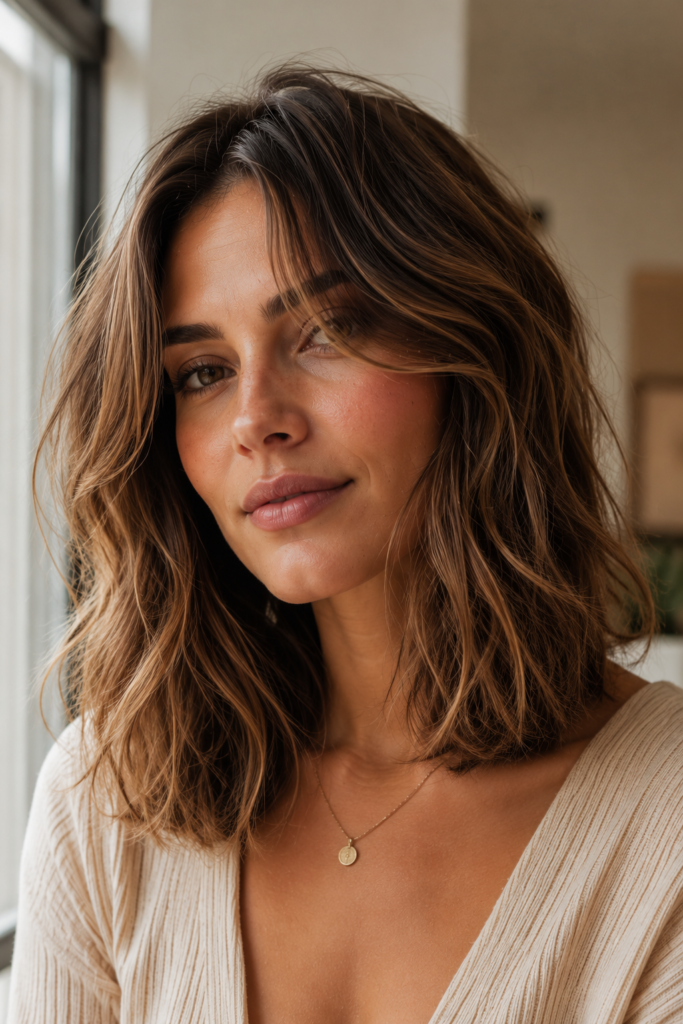
Textured Bobs: A bob cut with slight texturizing rather than a razor-sharp blunt line tends to hold its shape well between washes and requires less daily precision.
Curtain Bangs: As one of the most forgiving bang styles, curtain bangs grow out gracefully and can be styled with minimal effort, especially on wavy or textured hair.
Shag Cuts: Built around layers and movement from the start, shag haircuts are designed to look intentionally undone, making them one of the most naturally low-maintenance structures available.
One-Length Lobs: A simple, well-cut lob with minimal layering can be one of the easiest styles to maintain, since there’s very little structure that can fall out of place.
The Best Color Techniques for Low-Maintenance Hair
Color choice matters just as much as the cut when it comes to overall maintenance:
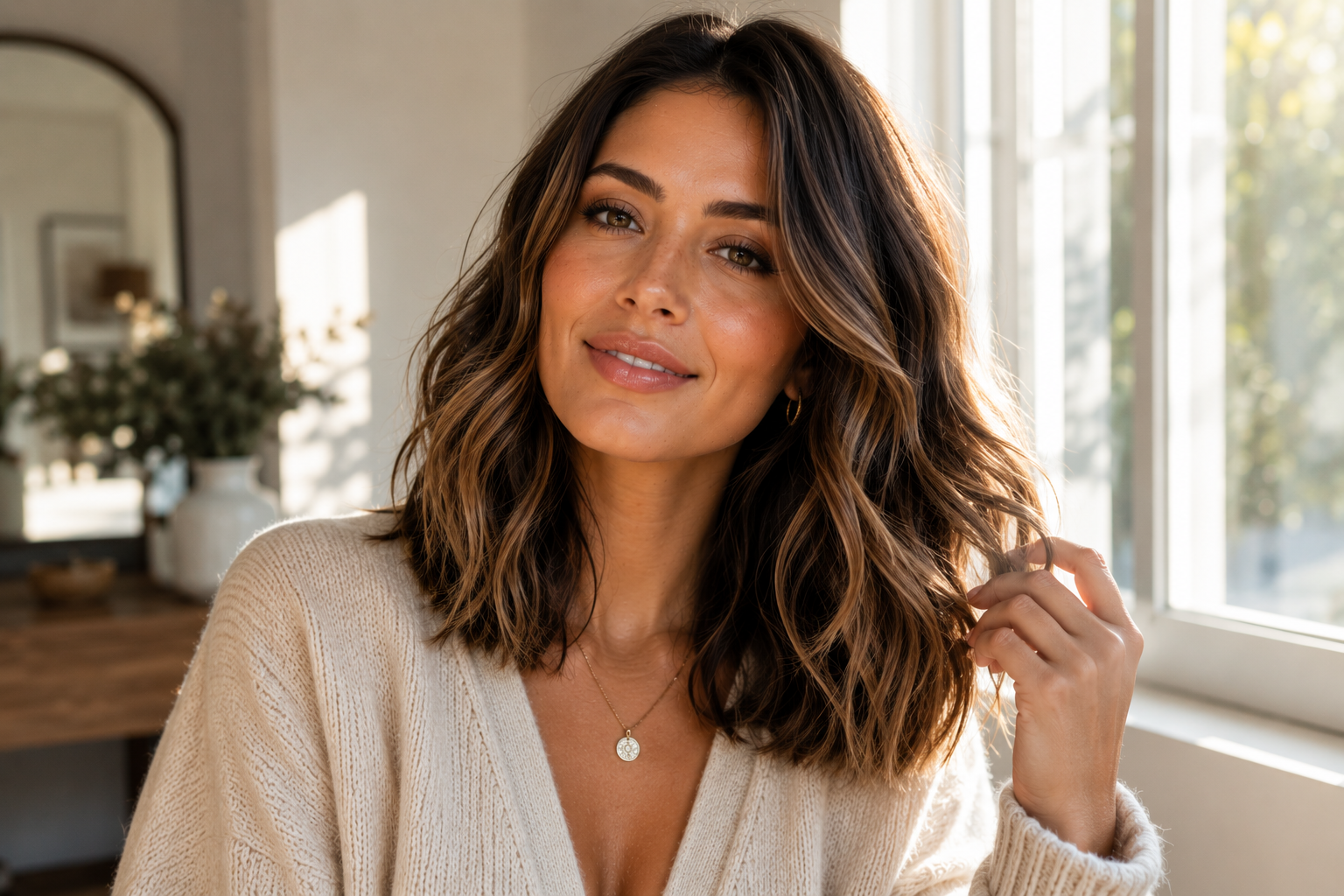
Balayage: Its hand-painted, graduated technique grows out without an obvious root line, making it one of the most low-maintenance color options available regardless of your natural base color.
Root Smudging: This technique softly blends a natural root color into lightened lengths, significantly extending the time between salon visits compared to traditional highlights.
Natural-Toned Lowlights: Adding subtle depth close to your natural color helps disguise regrowth and reduces the visual impact of a few extra weeks between appointments.
Single-Process Color Close to Your Natural Shade: When color stays within a shade or two of your natural base, regrowth is far less noticeable, meaning touch-ups can be spaced out significantly longer.
How Hair Texture Affects Low-Maintenance Styling
Understanding your natural texture is essential to choosing a genuinely low-maintenance style, since fighting against your hair’s natural tendency almost always increases daily effort.
Straight Hair: Naturally straight hair often air-dries with minimal frizz, making it one of the easier textures to maintain with simple, wash-and-go styling, provided the cut is structured to hold its shape without heavy layering that requires blow-drying to lay correctly.
Wavy Hair: This texture benefits enormously from cuts and products designed to enhance natural wave pattern rather than fight it; the right leave-in product can often replace an entire styling routine involving hot tools.
Curly Hair: Curly hair can be genuinely low-maintenance once a proper wash-and-go routine is established, though this typically requires some upfront investment in learning the right product combination and technique for your specific curl pattern.
Coily Hair: Protective styles and low-manipulation techniques often provide the most sustainable low-maintenance approach for coily textures, reducing daily styling while also protecting hair health over time.
Building a Realistic Low-Maintenance Routine
A genuinely sustainable low-maintenance routine typically includes a few key elements:
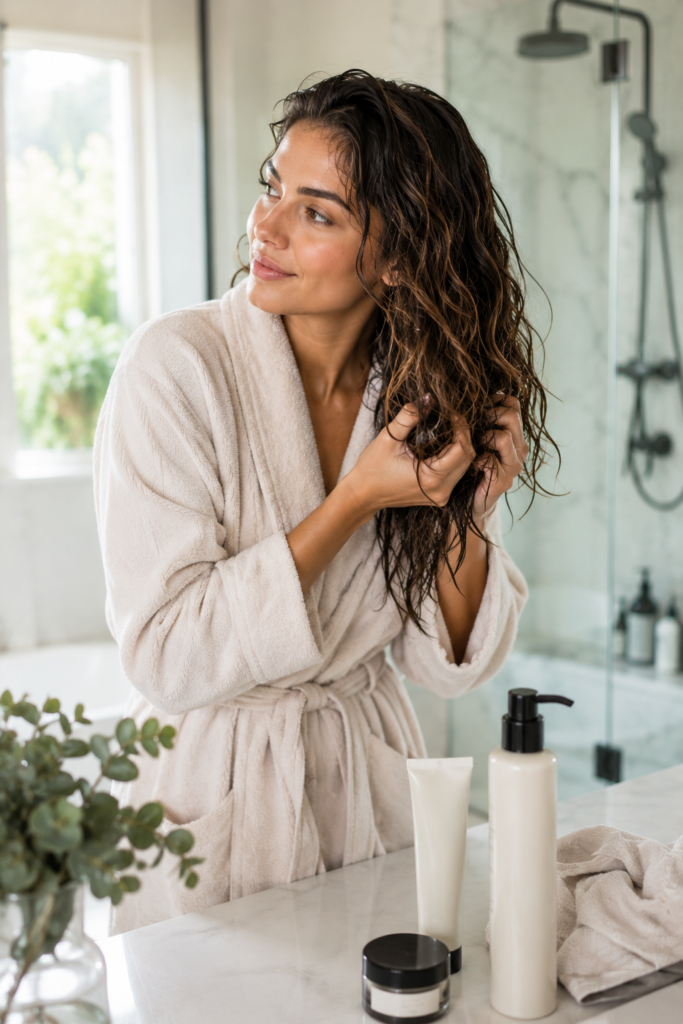
A Simplified Wash Schedule – Washing hair 2-3 times a week rather than daily not only benefits hair health but significantly reduces the total time spent styling throughout the week.
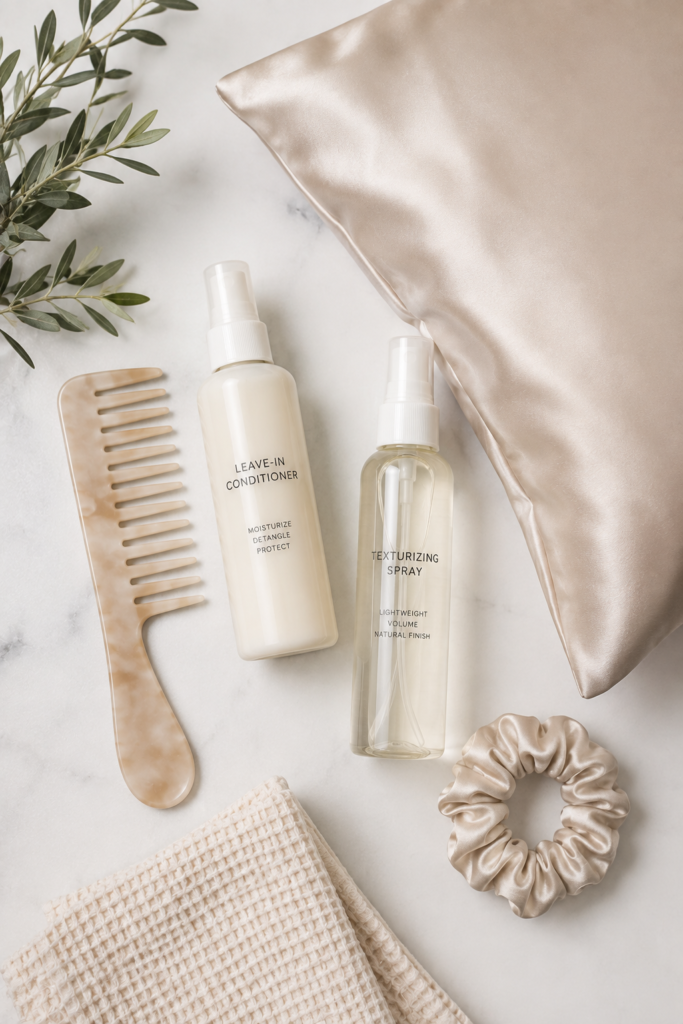
One or Two Multi-Purpose Products – Rather than a ten-step routine, identifying a leave-in conditioner or styling cream that handles multiple needs (frizz control, definition, and light hold) simplifies daily upkeep considerably.
Dry Shampoo for Second and Third Day Hair – A good dry shampoo extends the life of a style between washes, reducing overall washing and styling frequency.
Protective Nighttime Habits – Sleeping on a silk or satin pillowcase, or loosely braiding hair before bed, can preserve a style for an extra day or two, reducing how often you need to fully restyle.
Strategic Salon Scheduling – Booking touch-ups just as color begins to grow out, rather than waiting until it’s fully grown in, keeps the overall look consistently low-maintenance rather than cycling between “freshly done” and “overdue.”
Styling Tricks for Effortless Daily Hair
Beyond the cut and color, a few practical techniques make a significant difference in daily maintenance:
Air-Drying With the Right Technique – Simply applying product to damp hair and allowing it to dry naturally, rather than reaching for a blow dryer by default, can dramatically cut down on daily styling time once you find the right product match for your texture.
The Overnight Braid or Bun – Braiding or loosely twisting damp hair before bed can create soft waves by morning without any heat at all, giving the appearance of styled hair with zero active effort.
Strategic Use of Claw Clips and Accessories – A well-placed claw clip or hair tie can transform second or third-day hair into an intentional-looking style in seconds, without requiring a full restyle.
Root Touch-Up Sprays for In-Between Days – For color-treated hair, a temporary root touch-up spray can extend the polished look of freshly colored hair for several extra weeks between salon visits.

Who Benefits Most From Low-Maintenance Hairstyles?
While nearly everyone can benefit from reducing daily styling effort, a few groups tend to prioritize this category most:
Busy Professionals – Those balancing demanding careers often need a style that transitions seamlessly from a quick morning routine to a polished, professional appearance.
Parents of Young Children – Limited time and unpredictable mornings make genuinely low-effort styling essential rather than a luxury.
Frequent Travelers – Styles that hold up well without access to a full bathroom counter of products and tools are especially valuable for those often on the move.
Those Prioritizing Hair Health – Reducing daily heat styling and chemical processing frequency naturally supports healthier, stronger hair over time.
Anyone Simplifying Their Routine Overall – A growing number of people are intentionally streamlining multiple aspects of their daily lives, and hair care is often one of the first areas where this simplification happens.
How Much Does a Low-Maintenance Hairstyle Typically Cost?
Costs vary depending on the specific cut and color approach chosen:
- Low-maintenance haircut only (no color change): $40-$100
- Low-maintenance color technique (balayage, root smudge, etc.): $150-$350
- Full low-maintenance transformation (cut plus color): $200-$450+
While the upfront cost of a well-executed low-maintenance color technique can be higher than simpler alternatives, the reduced frequency of salon visits often makes it more cost-effective over the course of a year.
Common Mistakes to Avoid
Based on years of helping clients build genuinely sustainable low-maintenance routines, here are the most frequent pitfalls:
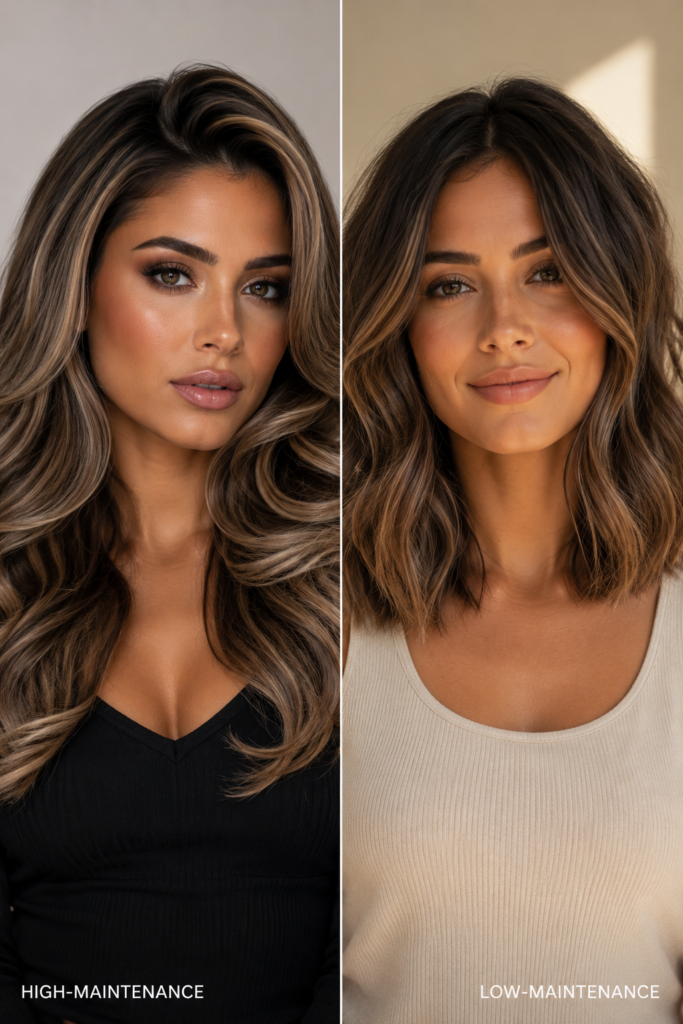
Choosing a style based on photos alone – A hairstyle that looks effortless in a photo often required significant professional styling beforehand; it’s worth asking your stylist directly how much daily effort a particular look actually requires.
Pairing a low-maintenance cut with a high-maintenance color – A wash-and-go haircut loses much of its low-maintenance value if it’s paired with a color technique that needs monthly root touch-ups.
Skipping the product education step – Even the most low-maintenance cut benefits from knowing exactly which one or two products to use; guessing often leads to over-application or the wrong product entirely.
Ignoring natural texture during the cut – A haircut designed for straight styling, worn without daily blow-drying on naturally wavy or curly hair, will almost always require more effort than a cut designed around your actual texture.
Underestimating the value of trims – Skipping regular trims can cause even a well-designed low-maintenance cut to lose its shape over time, ironically requiring more styling effort to compensate.
Talking to Your Stylist About Going Low-Maintenance
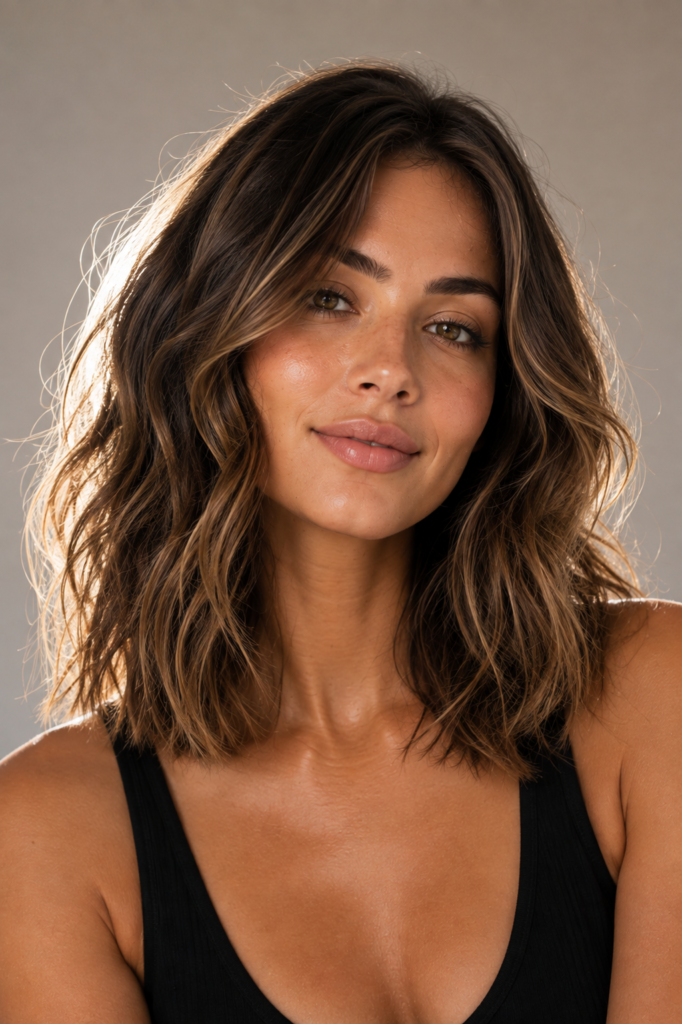
The most important part of building a genuinely low-maintenance routine is having an honest conversation with your stylist about your real daily life, not an idealized version of it. Be specific about how much time you actually spend on your hair each morning, how often you’re realistically willing to visit the salon, and which styling tools you own and are comfortable using.
It’s also worth discussing your hair’s natural texture openly, including how it behaves when left to air-dry, since this information helps your stylist design a cut and recommend a color technique that works with your hair’s natural tendencies rather than requiring you to fight against them daily.
Final Thoughts
Low-maintenance hair isn’t about lowering your standards it’s about making smarter, more strategic choices at the cut and color level so your daily routine can be genuinely simple without sacrificing how put-together you look. The most successful low-maintenance styles are built on a foundation of understanding your natural texture, choosing a color technique that grows out gracefully, and committing to a realistic, simplified daily routine.
If you’re considering a shift toward lower-maintenance hair in 2026, be honest with your stylist about your actual daily routine and time constraints, prioritize cuts and colors that work with your natural texture, and invest in learning the one or two products that genuinely make the biggest difference for your specific hair type.
Frequently Asked Questions (FAQ)
Q1: Can curly hair ever be truly low-maintenance? Yes, once a proper wash-and-go routine is established with the right products for your specific curl pattern, curly hair can be one of the most genuinely low-maintenance textures, since it often looks best with minimal manipulation.
Q2: How often should I get trims if I want low-maintenance hair? Most low-maintenance cuts still benefit from trims every 8-10 weeks to maintain their shape, even though the daily styling itself requires minimal effort.
Q3: Is balayage always low-maintenance? Generally yes, since it grows out without an obvious root line, though the exact maintenance level depends on how much lightening was involved and how far your natural color sits from the chosen shade.
Q4: Do I need to give up hair color entirely for a low-maintenance routine? Not at all several color techniques, like balayage, root smudging, and natural-toned lowlights, are specifically designed to be low-maintenance while still offering dimension and richness.
Q5: What’s the single biggest factor in making a hairstyle low-maintenance? Choosing a cut and color that work with your natural hair texture, rather than requiring you to style against it daily, tends to make the biggest overall difference.
Q6: Can fine hair be styled with a low-maintenance approach? Yes, though fine hair sometimes benefits from a slightly more structured cut to maintain the appearance of volume without daily styling, since very fine hair can lose shape more quickly than thicker textures.
Q7: Are low-maintenance hairstyles suitable for special occasions, or only everyday wear? Many low-maintenance cuts and colors can be dressed up for special occasions with a bit of extra styling time, since the underlying structure of the haircut still provides a strong foundation to work with when more effort is available.
Q8: How do I know if my current hairstyle is actually low-maintenance or just looks that way in photos? A good test is tracking how much time you spend styling it on a typical busy morning versus how long it took to achieve the look in the photo you’re referencing; if there’s a big gap, it’s worth discussing adjustments with your stylist.