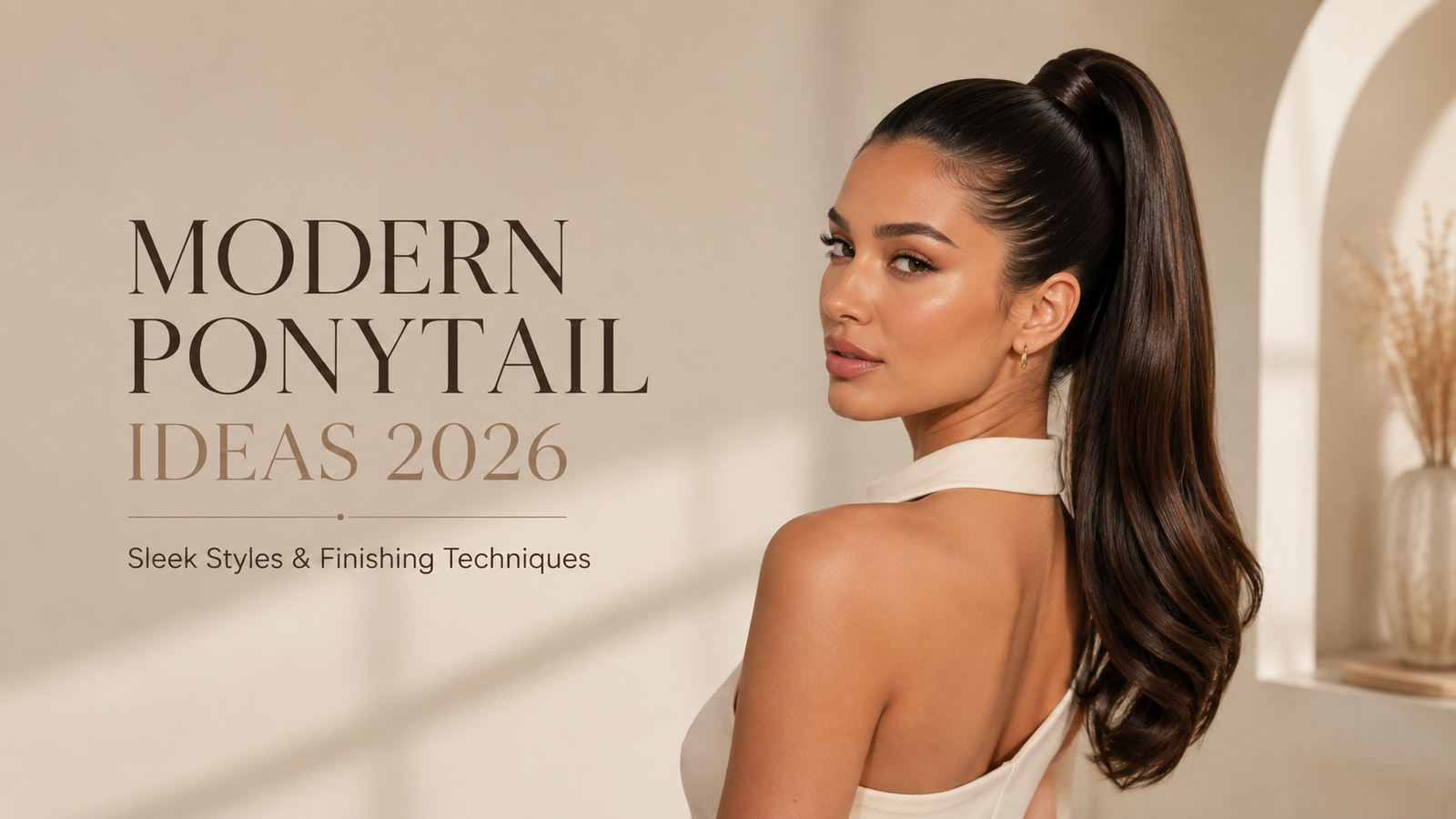
Discover modern ponytail ideas for 2026, from placement and finishing techniques to styles matched for casual, work, and formal occasions.
The ponytail has managed something few hairstyles pull off: staying a childhood default while also being reinvented, season after season, into something that reads as genuinely polished. The 2026 version leans into structure sleek bases, deliberate placement, and small styling details that separate a “put together” ponytail from one that just gets hair out of the way.
This guide covers the ponytail placements and finishing techniques currently defining the trend, along with how to adapt the style for casual days, work settings, and more elevated occasions.
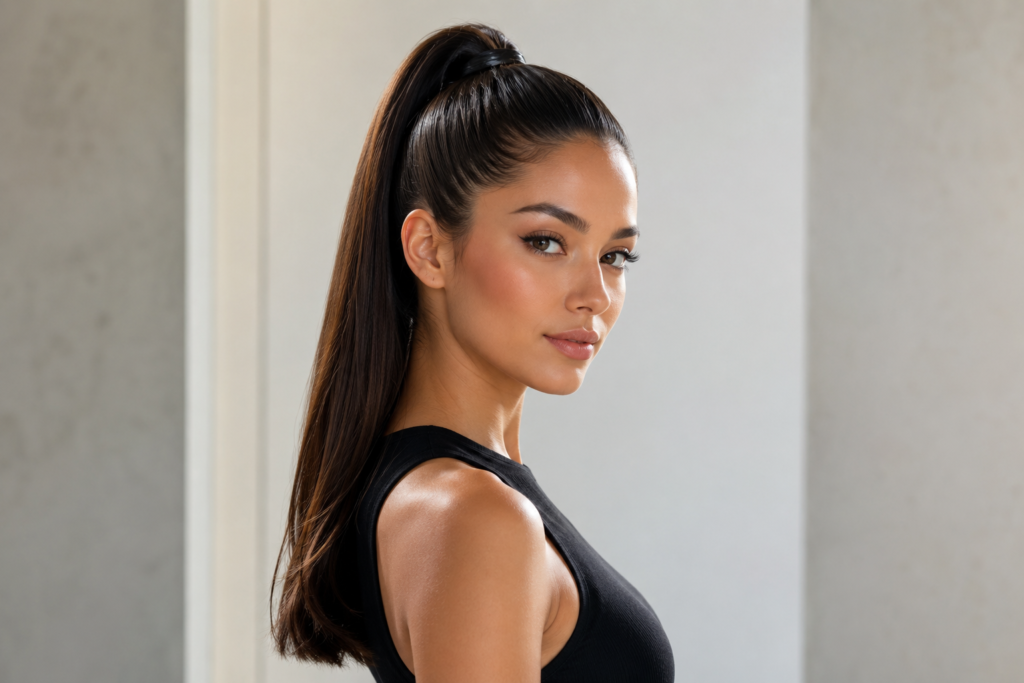
Ponytail Placement: How It Changes the Whole Look
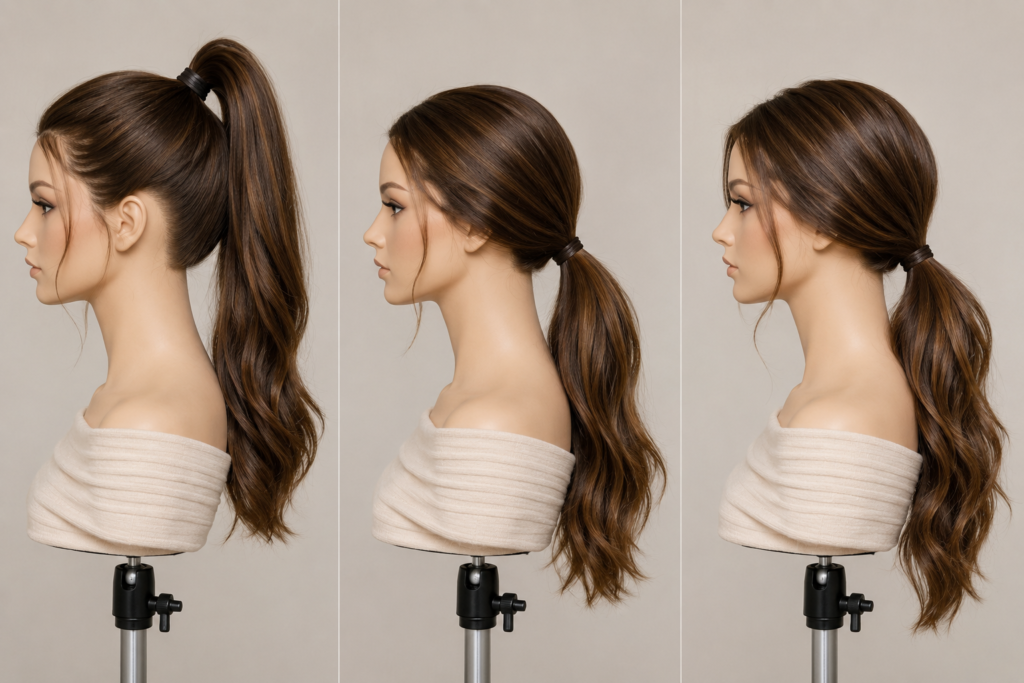
The High Ponytail — Positioned at or above the crown, this placement reads as the most polished and energetic option, often associated with sleek, gym-to-street styling or evening looks depending on the finish.
The Low Ponytail — Sitting at the nape of the neck, a low ponytail feels more understated and professional, making it a reliable choice for office settings or more formal events.
The Side Ponytail — Positioned off to one side rather than centered, this placement adds a slightly more playful, editorial feel and works particularly well paired with a deep side part.
The Half-Height Ponytail — Sitting between a high and low placement, this middle-ground option has become popular precisely because it avoids feeling too severe or too casual, working for nearly any setting.
Finishing Techniques Worth Knowing
The Wrapped Base — Wrapping a small section of hair around the elastic hides it completely and instantly elevates a basic ponytail into something that looks deliberately styled.
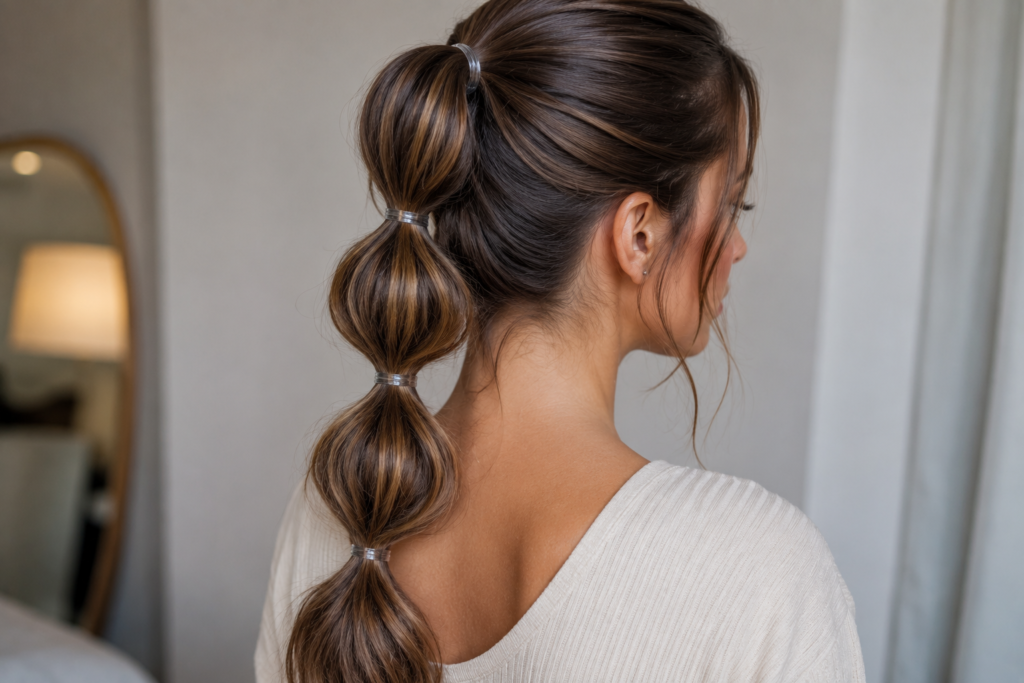
The Bubble Ponytail — Adding small elastics at intervals down the length of the ponytail creates a segmented, sculptural effect that has become one of the more editorial ponytail variations currently trending.
The Braided Tail — Braiding the length of the ponytail rather than leaving it loose adds texture and a bit more structure, particularly useful for keeping longer ponytails secure through an active day.
The Slicked Baby Hair Finish — Using a small brush and light-hold gel to smooth and shape the hairline around a ponytail’s base gives the style a crisp, finished edge that reads as more intentional than a simple pulled-back look.
Matching the Ponytail to the Occasion
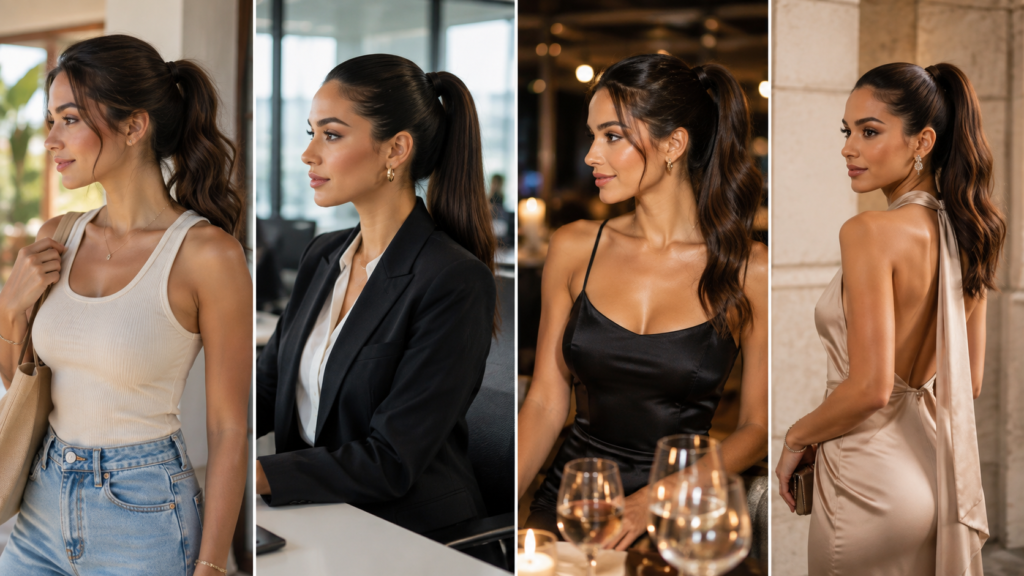
Casual, Everyday Wear works well with a simple, slightly textured ponytail at any placement, prioritizing speed and comfort over precision.
Work or Professional Settings tend to look most polished with a low or half-height ponytail, a sleek base, and minimal added texture.
Evening Events and Date Nights benefit from an elevated finishing technique like a wrapped base or bubble ponytail, paired with a higher placement for a more dramatic effect.
Formal Occasions can use the ponytail as an alternative to a full updo, particularly when finished with a braided tail or slicked baby hair for a more intentional, event-appropriate look.
Getting a Ponytail to Hold and Look Polished
A few small habits make a noticeable difference in how long a ponytail holds its shape. Applying a texturizing spray at the roots before pulling hair back gives the elastic more to grip onto, which matters especially for fine or freshly washed hair. Smoothing flyaways with a small amount of gel and a soft-bristled brush, rather than more hairspray, tends to produce a cleaner finish. Choosing a strong, non-damaging elastic, ideally one without a metal closure, helps prevent both slipping and breakage at the point where it’s secured.
Final Thoughts
The modern ponytail earns its staying power by adapting so easily to context the same basic technique can read as gym-ready, office-appropriate, or evening-elevated depending on placement and finish. Once a few of these techniques become familiar, the ponytail stops being a fallback option and starts functioning as a genuinely versatile styling tool in its own right.
Frequently Asked Questions (FAQ)
Q1: What’s the most flattering ponytail placement for a round face shape? A high ponytail tends to elongate the face, which can be flattering for rounder face shapes, though personal preference and hair texture also play a role.
Q2: How can I keep my ponytail from causing tension headaches? Choosing a slightly looser placement and avoiding an overly tight elastic, particularly at the hairline, helps reduce tension without sacrificing much of the polished look.
Q3: Does a wrapped-base ponytail take much longer to create? Only a minute or two longer than a standard ponytail, making it one of the easiest ways to elevate the style without a significant time investment.
Q4: Can this style work on very short hair? A ponytail typically requires hair long enough to gather and secure, generally at least chin length, though a very short ponytail or “half-pony” can work on some bob-length cuts.
Q5: What’s the best product for smoothing flyaways without stiffness? A small amount of lightweight gel applied with a soft brush tends to smooth flyaways more naturally than a heavy-hold hairspray, which can look stiff on close inspection.
Q6: Is the bubble ponytail suitable for everyday wear, or only special occasions? While often shown as a more elevated style, the bubble ponytail works fine for everyday wear and doesn’t require significantly more time than a standard braided tail.