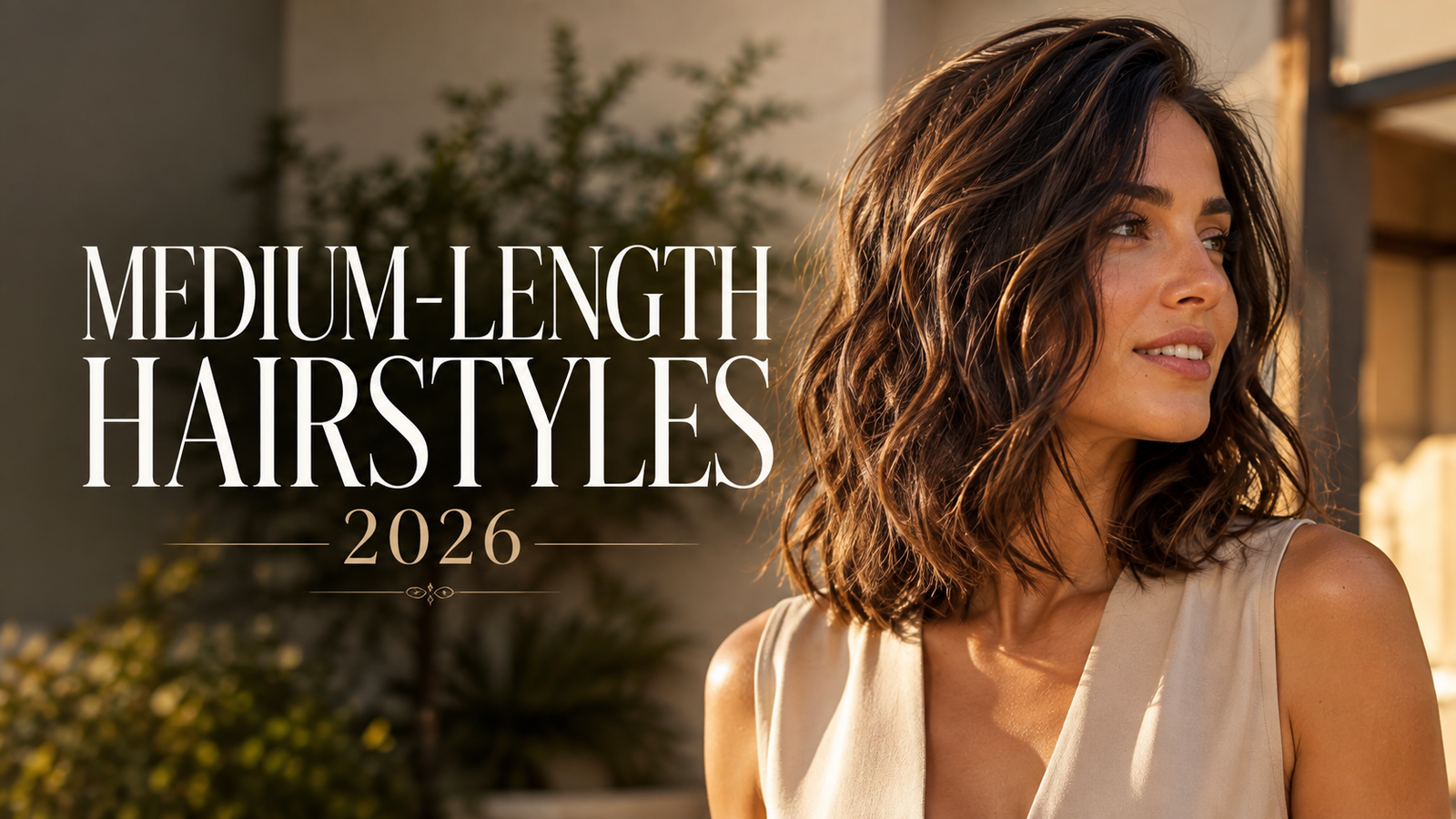
Discover the best medium-length haircuts and styling techniques for 2026, from curtain-bang lobs to textured shags and effortless waves.
Medium-length hair sits in the most flexible zone of any hair length long enough for real styling variety, short enough to stay manageable day to day. It’s also the length most people default back to between more dramatic cuts, which is exactly why it keeps evolving rather than settling into one fixed look. Ask a stylist which length gets requested most often for a “safe but not boring” change, and medium length usually tops the list . it photographs well, grows out gracefully, and rarely requires the kind of daily commitment that shorter or much longer styles demand.
Part of what keeps this length so popular is how forgiving it is across face shapes, hair textures, and lifestyles. A medium cut can be tailored to add width at the jaw for a longer face, or to soften a strong jawline with face-framing layers. It works on stick-straight hair, loose waves, and tight curls alike, which is rare for a single length category. This guide breaks medium-length styling into three practical categories: the cuts currently defining the length, the styling techniques that give it movement and texture, and the everyday looks that make the most of a length that works for almost every hair type.
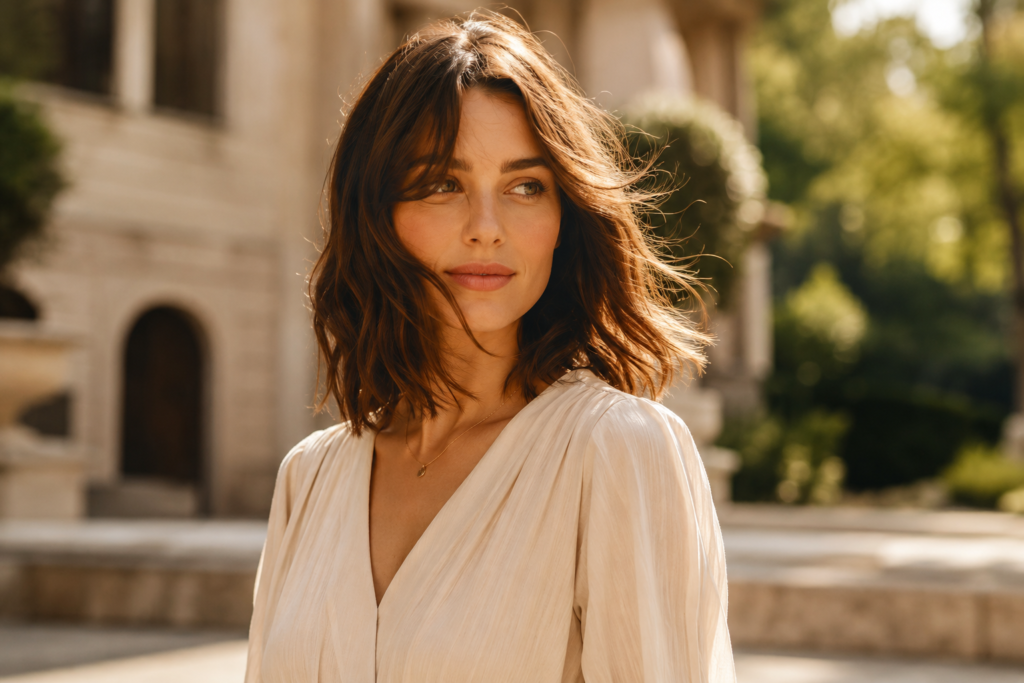
Cuts Defining Medium-Length Hair Right Now
The Modern Lob — A long bob sitting between the chin and shoulders continues to be one of the most requested medium-length cuts, prized for how easily it transitions between sleek and textured styling. Its biggest draw is versatility: worn straight it reads polished and editorial, worn wavy it feels undone and lived-in, all without a second trip to the salon.
The Curtain-Bang Medium Cut — Face-framing curtain bangs paired with medium-length layers soften the whole face shape and have become one of the defining combinations of the past few years. Because the bangs blend into the surrounding layers rather than sitting as a hard, blunt line, they grow out without the awkward in-between stage that shorter fringes are known for.
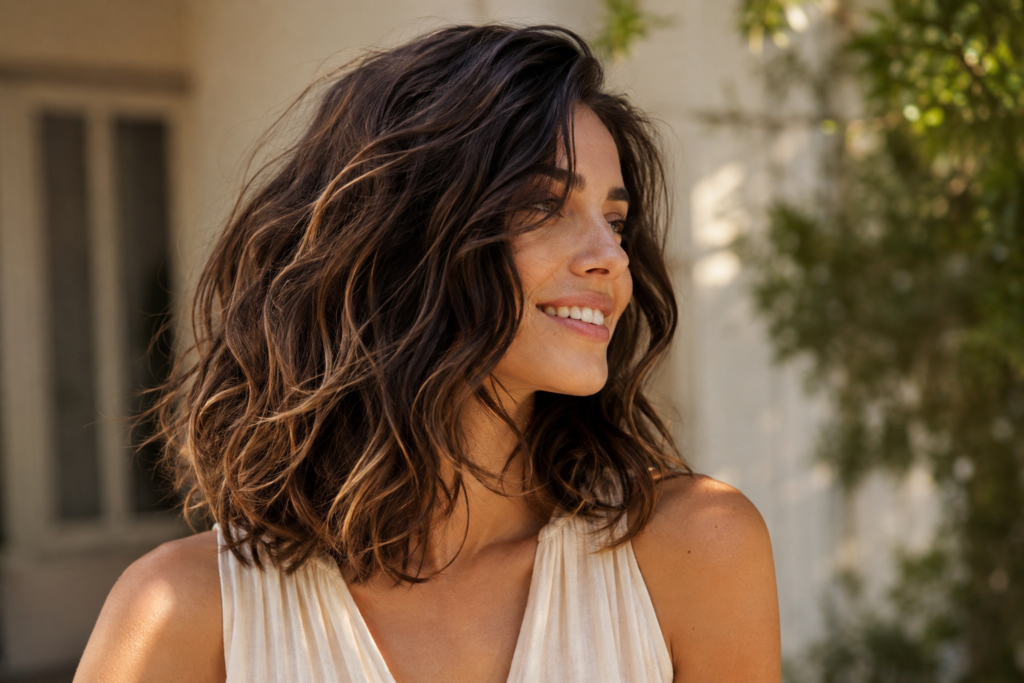
The Layered Medium Cut — Soft, blended layers throughout add movement without sacrificing length, and tend to work particularly well for those wanting more volume than a blunt cut provides. Layering placement matters here: layers concentrated around the face add lift and shape, while layers distributed through the ends add swing and bounce without thinning out the overall silhouette.
The Textured Medium Shag — A looser, choppier take on medium length that borrows shag-style texturizing without going as short or dramatic as a full shag cut. This version leans on razor-cut or point-cut ends to create separation, giving the hair a slightly rougher, more undone finish even straight out of the shower.
The Blunt Medium Cut — A clean, one-length cut with minimal layering that has been gaining ground as a counterpoint to the heavily layered styles of recent years. Blunt medium hair reads modern and a little severe in the best way, and it tends to look thicker than it actually is because there’s no thinning from layering to soften the ends.
The Medium Wolf Cut — A hybrid between a shag and a mullet, the wolf cut brings heavy, choppy layering and volume at the crown while keeping the overall length in the medium range rather than going short. It’s a higher-maintenance option that rewards regular trims to keep the layering crisp.
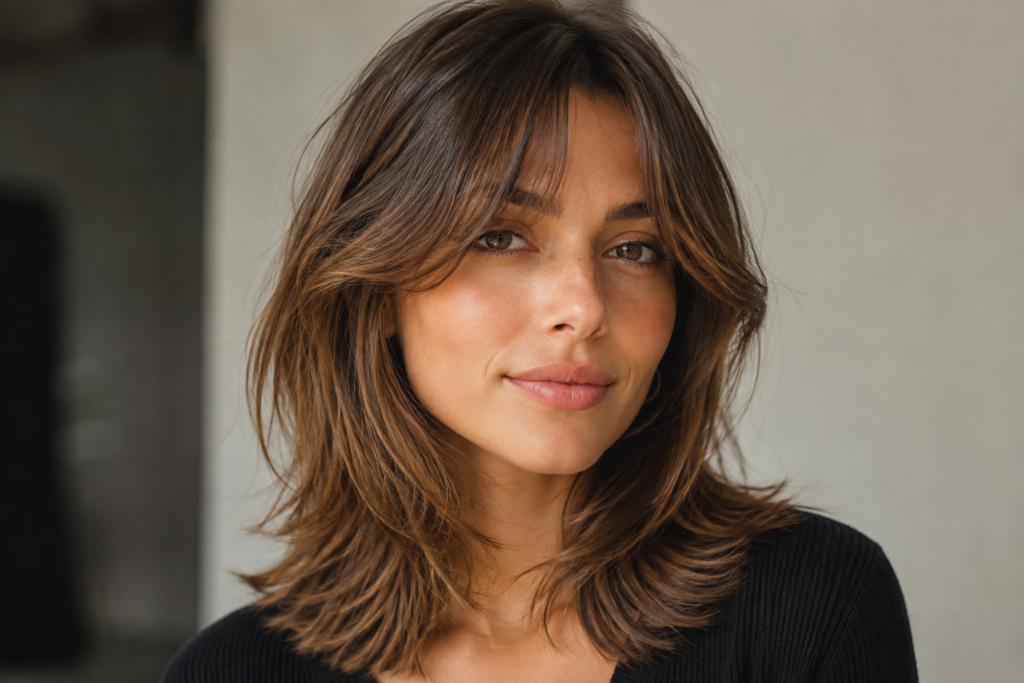
Styling Techniques for Movement and Texture
The Beach Wave — Loose, slightly undone waves created with a curling wand or braided overnight remain one of the most popular ways to add texture to medium-length hair without a fully polished finish. The key to keeping beach waves from looking overly done is alternating the direction of each curl and brushing them out lightly once cool.
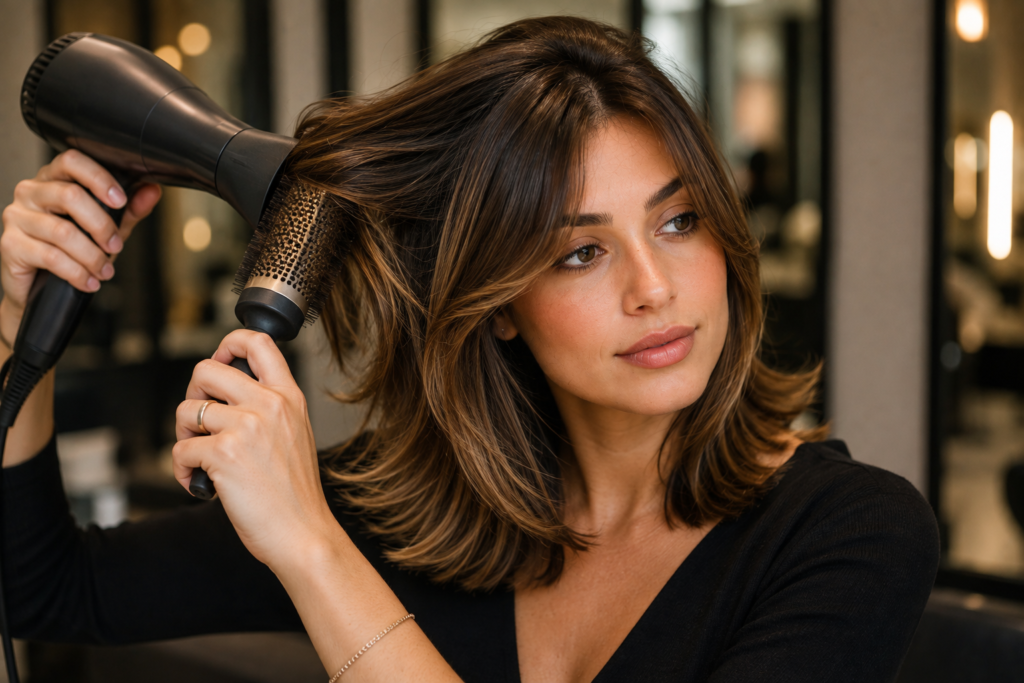
The Blow-Dry Bounce — Rounding the ends inward with a round brush while blow-drying creates soft volume and bounce, a technique especially flattering on medium-length bobs and lobs. Working in smaller sections and finishing each one with a blast of cool air helps the bounce hold through the day instead of falling flat within an hour.
The Textured Crimp — A subtler, looser take on traditional crimping adds volume and grip at the roots, making it a useful technique for fine or thin medium-length hair that tends to fall flat. Rather than crimping the full length, focusing the crimping iron on just the roots and mid-lengths keeps the effect from looking dated.
The Air-Dry Texture Method — Applying a texturizing cream to damp hair and allowing it to air dry naturally has become a popular low-heat option for embracing whatever natural texture the hair already has. This method works best when the product is applied to soaking-wet hair and the hair is left undisturbed while drying, since scrunching or touching it too much during the drying process can create frizz instead of definition.
The Heatless Overnight Wave — Wrapping damp hair around a soft heatless curling ribbon or twisting it into loose buns before bed has become a go-to for anyone wanting waves without any heat exposure at all. It takes more planning than a wand, but the payoff is texture that tends to last longer since it isn’t relying on heat-set curl memory that drops out with humidity.
The Slick Low-Key Finish — Using a light gel or serum to smooth flyaways and add a subtle sheen has become a favored counterpoint to the texture-heavy trends above, particularly for medium bobs and lobs that look sharp when worn sleek.
Everyday Looks That Make the Most of Medium Length
The Low Maintenance Half-Up — Pulling back just the top section keeps hair out of the face without requiring a full styling routine, and works well on nearly any medium-length cut. It’s one of the few styles that looks intentional whether the hair underneath is freshly washed or a day or two past due.
The Tucked Bob — Simply tucking one or both sides behind the ears instantly polishes a medium bob with essentially no styling time. This works especially well on the modern lob, where the shorter front sections tuck neatly without slipping back out throughout the day.
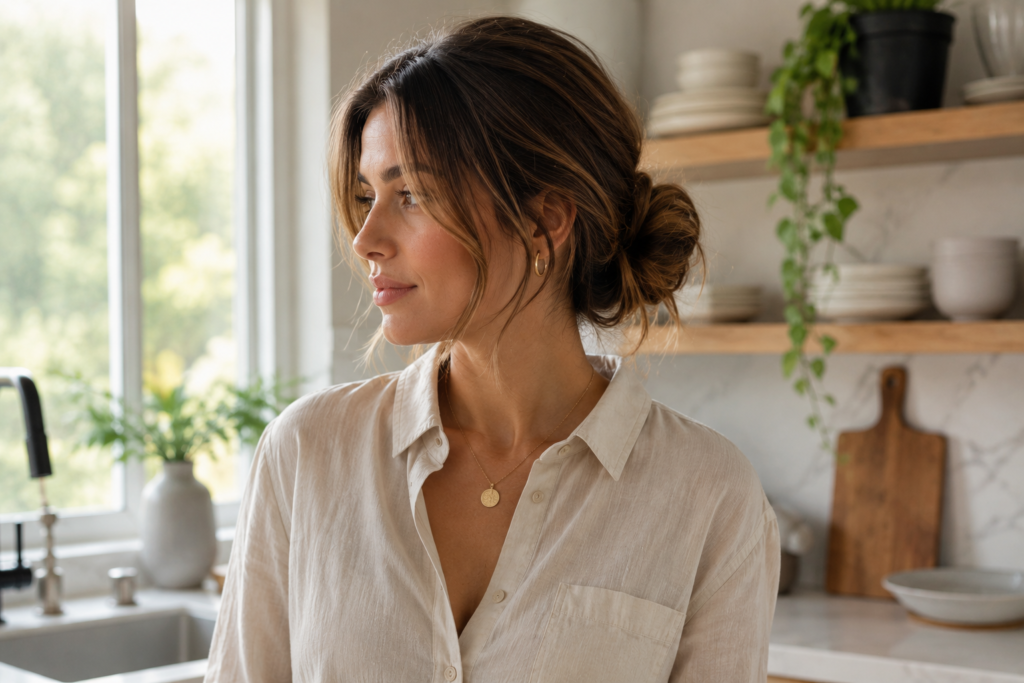
The Casual Low Bun — For days when hair needs to be fully out of the way, a loosely gathered low bun works even on medium lengths that some might assume are too short for a bun. Leaving a few pieces loose around the face keeps the look from feeling too tight or severe.
The Wash-and-Go Wave — For those with naturally wavy medium-length hair, simply applying a curl-defining product to wet hair and letting it dry naturally is often the fastest, lowest-effort styling option available. It also tends to be the gentlest option on hair health, since it skips heat styling entirely on days it’s used.
The Simple Half-Braid — A single braid woven from one side of a half-up section adds a bit of detail to an otherwise plain half-up style without adding meaningful time to the routine. It also holds up well through a full workday in a way that loose waves sometimes don’t.
The Claw-Clip Twist — Twisting hair up and securing it with a claw clip has become one of the fastest ways to get hair off the neck while still looking put-together, and it works particularly well on medium length since there’s just enough hair to twist securely without slipping.
Choosing the Right Cut and Style for Your Hair Type
Fine Hair generally benefits most from layering that adds movement without removing too much weight, since medium-length fine hair can look thin if overly layered. A blunt or lightly layered lob tends to outperform a heavily shagged cut for this hair type, since it preserves the appearance of density.
Thick Hair often does well with more aggressive layering to remove bulk, and holds textured styles like beach waves particularly well due to its natural body. Thick hair can also handle a blunt cut without looking overly heavy, since the weight of the hair itself creates a clean line without much extra effort.
Wavy or Curly Medium Hair tends to look best with a cut that works with the natural pattern rather than against it, since forcing a blunt, straight-edge cut onto naturally textured hair can require more daily styling effort to maintain. Layered or shag-influenced cuts tend to let the natural curl pattern do most of the styling work.
Color-Treated Medium Hair benefits from cuts and styling methods that minimize additional heat exposure, since color-treated strands are already more prone to dryness and breakage. Air-dry methods and heatless waving techniques tend to be a better long-term fit than daily hot-tool use for hair in this category.
Common Styling Mistakes to Avoid at This Length
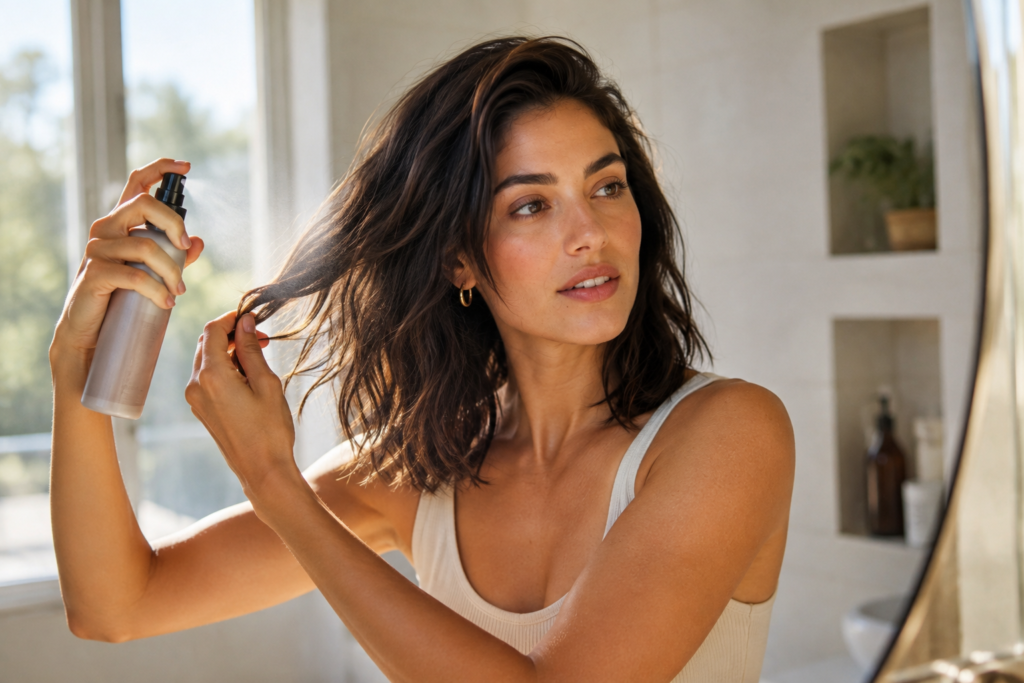
Over-layering fine hair is one of the most common missteps, since too many layers can leave the ends looking wispy and thin rather than voluminous. Going too long between trims is another frequent issue, particularly with curtain bangs and heavily layered shapes, which tend to lose their intended shape faster than a simple one-length cut. Finally, using high heat settings on a daily basis without any heat protectant tends to show up over time as dullness and split ends, even on hair that starts out healthy — a lower heat setting paired with a light protectant spray generally gets a very similar styling result with far less long-term damage.
Final Thoughts
Medium-length hair earns its ongoing popularity by being genuinely adaptable sleek one day, textured and undone the next, without requiring a haircut to shift between looks. The right cut for this length depends heavily on hair type and how much daily styling effort feels realistic, but nearly every texture and thickness has a flattering, low-maintenance option within this range. Whether the goal is a low-key wash-and-go routine or a cut built around regular styling, medium length remains one of the few lengths that can genuinely do both without compromise.
Frequently Asked Questions (FAQ)
Q1: How often should medium-length hair be trimmed to maintain its shape? Every eight to ten weeks generally keeps a medium-length cut looking intentional, particularly for styles with curtain bangs or heavy layering that can grow out unevenly.
Q2: Is medium-length hair a good option for very fine hair? Yes, particularly with strategic layering, since medium length avoids both the flatness that can come with very long fine hair and the lack of styling versatility of very short fine hair.
Q3: Can curly hair be styled effectively at medium length? Absolutely many curl patterns look especially voluminous and well-defined at medium length, since the hair is long enough to show a full curl pattern without excessive weight pulling it down.
Q4: What’s the easiest medium-length style for someone who doesn’t want to use heat tools? An air-dried texture method using a curl or texturizing cream on damp hair is one of the most reliable heat-free options for medium-length hair.
Q5: Do curtain bangs require more maintenance than a full fringe? Curtain bangs generally require less frequent trimming than a full, blunt fringe, since their longer, face-framing shape grows out more gracefully.
Q6: What’s the best styling tool for adding volume to medium-length hair? A round brush used during blow-drying is typically the most effective tool for adding lasting volume and bounce to medium-length cuts.
Q7: Is medium-length hair suitable for color-treated or chemically processed hair? Yes — medium length tends to be gentler on already-processed hair than very long lengths, since there’s less overall weight pulling on compromised strands, though minimizing additional heat styling is still recommended.
Q8: How does medium-length hair compare to long hair in terms of daily maintenance? Medium-length hair generally takes less time to wash, dry, and style than long hair, while still offering enough length for updos, half-up styles, and braiding that very short cuts can’t accommodate.