Discover the biggest hair colour trends of 2026, from expensive brunette and honey blonde to copper tones and dimensional balayage techniques.
Hair colour trends in 2026 are moving away from flat, one-dimensional shades and embracing rich, expensive-looking colour with depth, shine, and movement. This year’s most sought-after looks focus on healthy-looking hair, natural dimension, and personalized colour that enhances individual features rather than chasing extreme transformations. Whether you’re considering a subtle refresh or a dramatic new look, these hair colour trends for 2026 showcase the shades and techniques set to dominate salons all year long.
What Hair Colours Are Trending in 2026?
The biggest hair colour trends of 2026 include:
- Expensive brunette
- Honey blonde
- Soft copper
- Teddy bear brunette
- Champagne blonde
- Espresso brown
- Dimensional balayage
- Golden caramel highlights
- Mushroom brown
- Old money blonde
The common theme is richness, shine, and effortless luxury.
21 Hair Colour Trends for 2026
1. Expensive Brunette
Rich, glossy brunette shades remain one of the most requested salon colours.
2. Honey Blonde
Warm honey tones create natural-looking brightness and dimension.
3. Teddy Bear Brunette
A soft blend of warm brown tones that looks luxurious and low-maintenance.
4. Soft Copper
A wearable version of copper that complements many skin tones.
5. Champagne Blonde
An elegant blonde shade that combines cool and warm tones beautifully.
6. Espresso Brown
Deep, glossy brunette shades continue to trend in 2026.
7. Caramel Balayage
Natural-looking highlights that add movement and warmth.
8. Mushroom Brown
A sophisticated neutral brunette with cool undertones.
9. Old Money Blonde
Expensive-looking blonde tones with subtle dimension.
10. Cinnamon Spice Hair
Warm reddish-brown tones add richness without going fully red.
11. Golden Beige Blonde
Soft blonde tones that look natural and effortless.
12. Mocha Brunette
A universally flattering brunette shade with depth and shine.
13. Dimensional Black Hair
Black hair enhanced with subtle highlights for added movement.
14. Bronze Brown
A perfect blend of brunette and warm metallic tones.
15. Sandy Blonde
Beach-inspired blonde shades remain popular throughout 2026.
16. Face-Framing Highlights
A low-commitment way to brighten the overall look.
17. Chocolate Cherry Hair
Deep brunette tones infused with subtle red undertones.
18. Golden Copper
A brighter interpretation of the copper trend.
19. Creamy Vanilla Blonde
One of the most elegant blonde trends for 2026.
20. Rooted Blonde
Natural-looking growth and easier maintenance make this trend highly practical.
21. Luxe Multi-Tonal Balayage
A premium colour technique that creates maximum depth and movement.
Hair Colour Techniques Trending in 2026
Dimensional Balayage
Creates natural movement and seamless colour transitions.
Face-Framing Highlights
Brighten facial features while requiring less maintenance.
Root Shadowing
Adds depth and creates a softer grow-out process.
Gloss Treatments
Enhance shine and extend colour longevity.
Multi-Tonal Colouring
Combines multiple shades to create a richer and more natural finish.
How to Choose the Right Hair Colour
Consider:
- Skin undertone
- Eye colour
- Maintenance requirements
- Natural hair colour
- Lifestyle and salon budget
The most flattering colour is usually one that enhances your natural features while adding dimension and shine.
Frequently Asked Questions
What is the biggest hair colour trend in 2026?
Expensive brunette, honey blonde, and dimensional balayage are among the most popular hair colour trends of 2026.
Is balayage still in style in 2026?
Yes. Balayage remains one of the most requested colour techniques because it creates natural-looking dimension and requires less maintenance.
What blonde shades are trending in 2026?
Honey blonde, champagne blonde, old money blonde, vanilla blonde, and sandy blonde are among the biggest blonde trends.
Are warm hair colours coming back?
Absolutely. Copper, caramel, cinnamon, and golden brunette shades are becoming increasingly popular in 2026.
Which hair colour is easiest to maintain?
Dimensional brunettes, rooted blondes, and balayage techniques generally require fewer salon visits than high-maintenance solid colours.
Caramel Balayage — The Warm Technique That Finally Found Its Formula
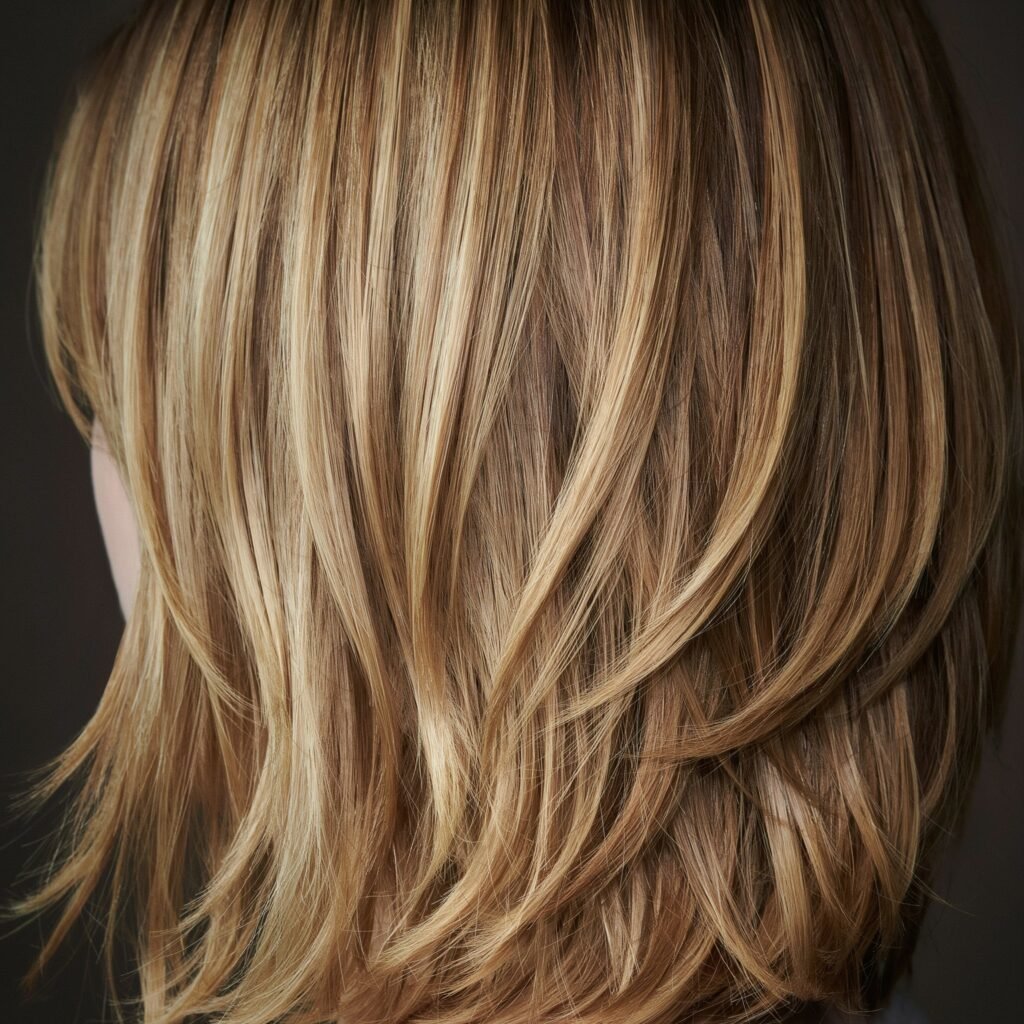
Caramel balayage is 2026’s most enduring warm technique — and it arrives this season as the most technically resolved version of itself that the colour calendar has ever produced. Previous iterations of the caramel balayage have failed in one of two directions: too sweet, producing a result that reads as orange rather than caramel and fades to an unrelated tone within four weeks, or too neutral, producing a result that looks like a beige balayage that once had ambitions toward warmth. The 2026 version avoids both failures by treating the caramel quality not as a toner choice but as a formula sequence — a specific lifting process followed by a specific toning method that produces the warm, golden-brown quality of actual caramel rather than the approximation of it.
Why the 2026 caramel balayage is different from every warm balayage that came before it:
The caramel quality is built in two stages rather than achieved in one — a warm-golden first toner applied to all lifted sections establishes the base warmth, and a deeper, more amber-shifted second toner applied to the mid-lengths and ends produces the caramel depth that distinguishes the result from a standard warm blonde. The placement is lower and more deliberate than in previous caramel balayage interpretations — the 2026 version concentrates the caramel saturation through the sections where the hair carries the most natural warmth and movement, rather than applying it uniformly across every lightened piece. It is finished with a bond-sealing treatment rather than a standard conditioner — the caramel formula requires an open cuticle to deposit correctly, and the bond-sealing step closes the cuticle after deposit to lock the tone in place rather than allowing it to begin fading immediately.
How this colour is built:
Begin with the freehand lightening application — caramel balayage is always a freehand technique, never a foil technique, because the soft edge that freehand application produces is what allows the caramel tone to graduate naturally rather than creating a line at the boundary between lightened and unlightened sections. Lift to a consistent pale orange through the mid-lengths and ends — the caramel toner requires this base to develop its depth correctly, and lifting to pale yellow before toning produces a result that reads as honey rather than caramel. Apply the first warm-golden toner across all lightened sections. Rinse, assess, and apply the amber-shifted second toner to the lower two-thirds of the lightened sections only. Apply the bond-sealing treatment before the final rinse rather than after — the treatment is working on the hair shaft, not the surface, and post-rinse application does not achieve the same result.
Who the caramel balayage works for:
Medium to dark natural brown hair where the base is rich enough to provide the contrast that makes the caramel tone readable as a balayage rather than as an all-over warm colour. On very light natural hair, the technique produces a result with insufficient contrast between the caramel sections and the base, and the shade reads as a global warm tone rather than a placed technique.
Maintenance and growth:
The caramel balayage fades through the toner sequence in reverse — the amber-shifted second toner fades first, softening the result toward the warm-golden base tone, which continues to fade toward a pale warm blonde over the following weeks. The result remains flattering through every stage of the fade because each stage is a lighter version of the same warm direction. Full refresh every fourteen to sixteen weeks, toner reapplication every eight weeks.
Venetian Blonde — The Highlight Technique That Redefined Precision
Venetian blonde is 2026’s most technically demanding highlight technique — and the season’s most powerful argument for the foil as a precision instrument rather than a blunt tool. The Venetian blonde is not a shade in the conventional sense. It is a method: a specific foiling pattern applied in a specific sequence that produces a result with the depth and movement of a hand-painted technique and the precision of a foil technique. It is the result that looks as though the hair has been highlighted by someone who has spent years studying exactly where light falls on a moving head of hair and has reproduced that pattern with a set of foils rather than a brush. In 2026, the Venetian blonde is the most sophisticated thing a foil technique can produce.
What makes the Venetian blonde distinct from every other foil technique:
The placement pattern is modelled on natural sun-lightening rather than on geometric sectioning — the foils are placed where the sun would genuinely lighten the hair on a person who spent significant time outdoors, which produces a result with a specificity and a naturalness that conventional foiling never achieves. The size of the foils varies deliberately — larger foils through the top section create the brightest, most visible lightness, while progressively narrower foils through the mid-lengths and perimeter create a softening of the effect as the eye moves down the head. The toning is warm, never cool — the Venetian blonde is finished with a warm golden or champagne tone that sits within the lifted sections without flattening them, preserving the dimensional quality that the variable foiling technique produces.
How this colour is built:
Map the foil placement before beginning — the Venetian blonde requires a planned distribution of foil sizes and positions rather than a standard sectioning pattern, and the planning step is what separates the technique from a standard full-head highlight. Begin with the largest foils through the top section, placed at the parting and the first two inches from the face. Move through the head in a decreasing foil-size sequence, placing progressively narrower foils as the sections move toward the perimeter and the nape. Leave the nape entirely unlightened — the Venetian blonde is a top-and-mid-section technique, and lightening the nape removes the depth contrast that makes the overall result dimensional. Tone with a warm formula applied across all foiled sections simultaneously rather than in sections — the simultaneous application produces a more even tone result than a sequential one.
Who the Venetian blonde works for:
Light to medium natural brown hair where the lift required to achieve the warm golden tone is achievable in a single session. On dark natural hair, the number of sessions required to achieve a consistent base before the Venetian toning sequence can be applied makes this a planned multi-appointment colour direction rather than a single-session result.
Maintenance and growth:
The variable foil sizing and the deliberate contrast between the lightened top sections and the unlightened nape give the Venetian blonde a grow-out quality that is more forgiving than a standard full-head highlight — the darker sections through the mid-lengths and perimeter absorb the root growth into the existing contrast rather than producing a visible new boundary. Toner refresh every eight weeks, full foiling refresh every sixteen to twenty weeks.
Smoky Brunette — The Cool Technique That Answered Warm
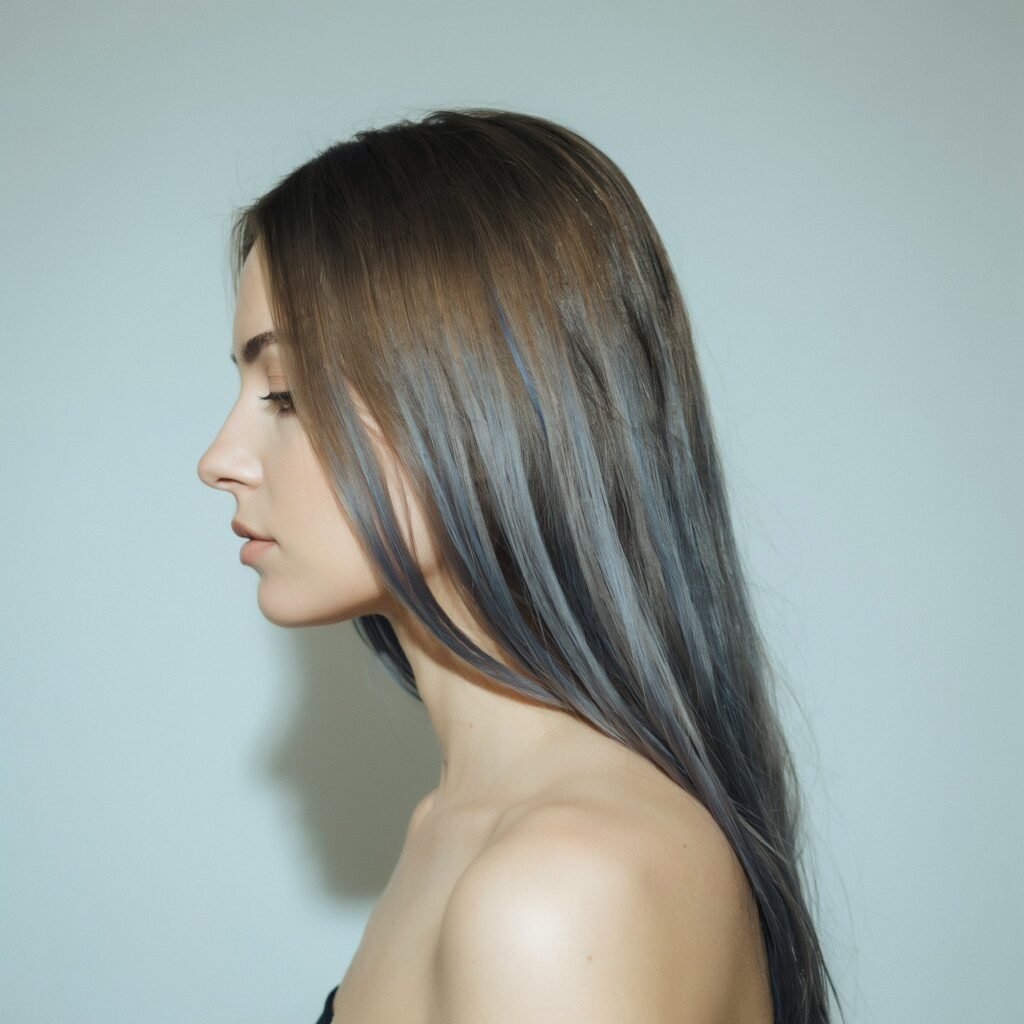
Smoky brunette is 2026’s most decisive cool-toned dark direction — and the season’s most technically specific answer to the question of what cool brunette looks like when it is built rather than simply toned. Previous versions of the cool dark brown have produced results that are either so ash they read as grey-brown and age the complexion, or so barely cool they fail to distinguish themselves from a neutral dark. The 2026 smoky brunette sits between those failures by treating the cool quality as a smoke rather than an ash — a blue-grey undertone applied at a low saturation that gives the dark shade its character without pushing it into the grey family or requiring the complexion to be cool enough to carry a fully desaturated result.
Why the smoky brunette is the cool dark direction of 2026:
Its coolness is a quality rather than a colour — the blue-grey undertone reads as depth and dimension rather than as a specific cool tone applied on top of the dark base, which is the distinction that makes the result work on complexions that would not suit a fully ashed or grey-shifted dark brown. It is the most graphic of the dark directions this season — the cool, almost smoky quality of the surface creates a visual clarity that warm dark shades cannot produce, and the result photographs with a precision that makes it the most documented shade of the dark hair family in 2026. It grows out as a deepening rather than a shift — the natural dark root reads as the deepest, most neutral depth of the smoky shade, and the cool toned lengths read as the colour catching the light, so the grow-out adds rather than removes from the result.
How this colour is built:
The smoky brunette is a two-formula process — a neutral dark base applied first to establish the depth and remove any existing warm cast, followed by a blue-grey pigmented toner applied through the mid-lengths and ends to build the smoky quality on top of the neutral foundation. The base formula is a level three or four neutral-cool, not a cool ash — a cool ash base formula combined with a cool toner produces a result that reads as grey rather than smoky, which is a different and less universally flattering direction. The toner formula is a blue-grey semi-permanent applied at half the standard processing time — a full processing time produces too much grey deposit and pushes the result past smoky into the desaturated territory the shade is specifically designed to avoid. Finish with a blue-pigmented gloss applied for three minutes only — the gloss step adds surface clarity and counteracts the warm fade that begins within the first two weeks.
Maintenance and growth:
The smoky quality fades toward a neutral dark rather than toward a warm dark — the blue-grey pigment exits the hair in the direction of neutrality rather than warmth, which means the fade produces a version of the shade that is simply less smoky rather than tonally incorrect. A blue-pigmented conditioner used twice weekly at home maintains the cool quality between appointments. Full formula reapplication every twelve weeks, toner refresh every six to eight weeks.
Golden Hour Blonde — The Light Technique That Captured the Right Moment
Golden hour blonde is summer 2026’s most atmospheric colour direction — and it earns its position this season not through technical novelty but through the precision with which it captures a specific quality of light and translates it into a hair colour result. The golden hour blonde is the shade that looks the way the best summer photographs look: warm and saturated and slightly hazy in a way that is more beautiful than sharpness, with depth in the darker sections and a glow in the lighter ones that reads as caught light rather than applied colour. It is a shade built for movement and for the way hair looks when it is moving rather than when it is still — and the technique that produces it is built around that specific brief.
What distinguishes the golden hour blonde from every other warm blonde this season:
The depth is higher than in other warm blonde directions — the golden hour blonde keeps a richer, more visible dark section through the root and upper mid-length, which is what creates the contrast that makes the golden sections read as genuinely luminous rather than simply light. The golden sections are placed specifically for movement — the freehand application technique places the lightness on the sections of hair that come forward when the head moves, which means the golden quality is most visible in motion and most subtle when the hair is still. The toning is a single warm-gold formula applied in a thin, even layer rather than a multi-stage sequence — the simplicity of the toning step is intentional, because the golden hour quality comes from the contrast between depth and lightness rather than from the complexity of the light sections themselves.
How this colour is built:
The sectioning approach is the technical foundation of the golden hour blonde — before any lightener is applied, the hair is sectioned into the pieces that move forward on the head and the pieces that remain relatively static, and the lightener is applied only to the former. This requires the client to sit upright and move their head naturally during the sectioning consultation so the colourist can observe which pieces carry the most movement. Apply the lightener freehand to the identified sections, beginning at the mid-length and working toward the ends with decreasing pressure. Leave the root entirely unlightened — the depth at the root is the most important element of the golden hour blonde, and any root lightening removes the contrast that the result depends on. Tone with a single warm-gold formula, rinse quickly to preserve warmth, and finish with a lightweight oil rather than a cream treatment — the oil preserves the movement quality that the technique is built around.
Who the golden hour blonde works for:
Medium to dark natural or coloured hair where the base is sufficiently rich to provide the depth contrast that makes the golden sections glow rather than simply read as lighter. On very light hair, the contrast is insufficient and the result reads as a global warm tone rather than a placed technique.
Maintenance and growth:
The high depth base and the movement-specific placement of the golden hour blonde make the grow-out entirely seamless — the natural root growth reads as an extension of the dark depth rather than as regrowth, and the golden sections remain in the same position relative to the face through the growth cycle. Full refresh every sixteen to eighteen weeks.
Pewter Brunette — The Dark Shade That Made Neutrality a Statement
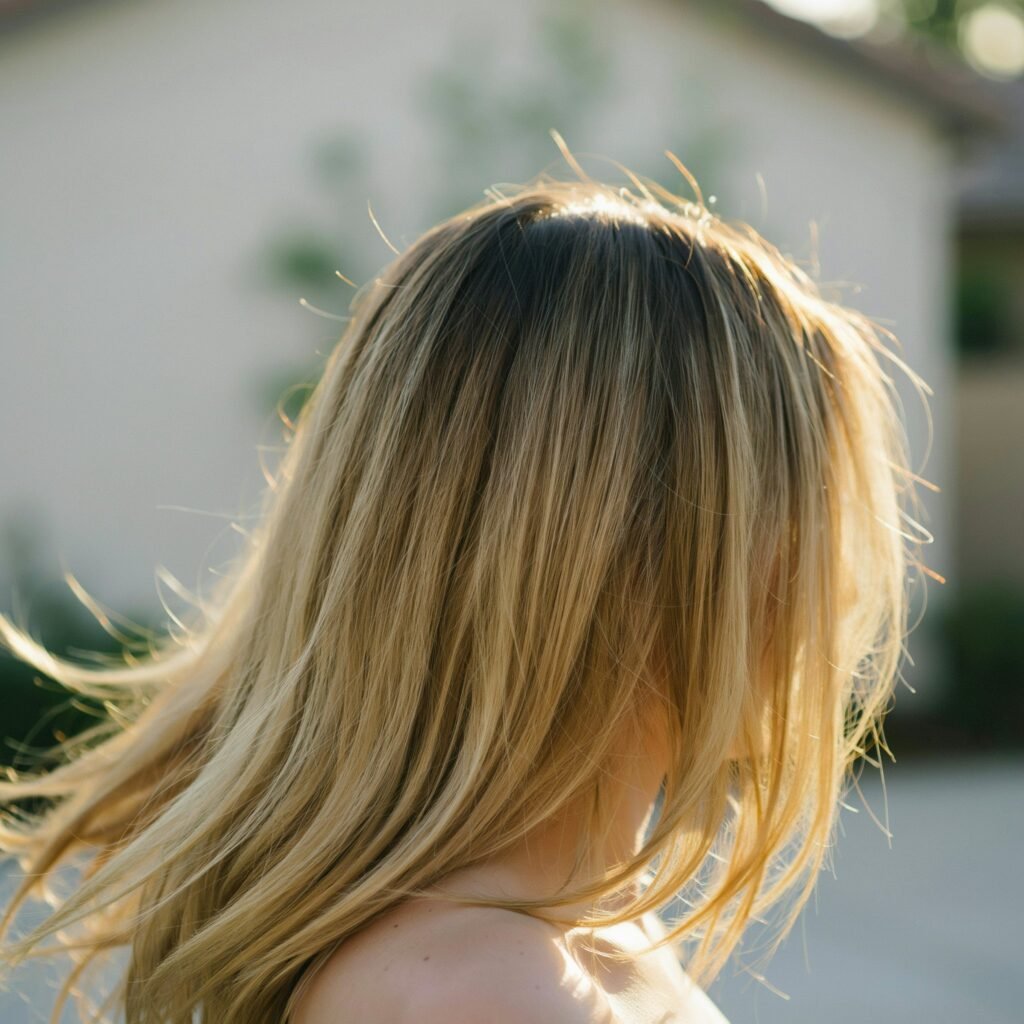
Pewter brunette is 2026’s most quietly authoritative dark direction — a shade that sits within the dark brown family but carries a metallic, almost pewter-grey undertone that gives it a quality entirely unlike any other dark shade in this season’s colour story. It is not a grey result. It is not an ash result. It is a dark brown that has been shifted precisely to the point where its undertone reads as pewter — cool without being cold, metallic without being fashion-specific, and dimensional in a way that neutral or warm dark shades never achieve. In a season of warm coppers and golden blondes, the pewter brunette is the shade that reads as the most considered possible counterpoint.
Why the pewter brunette is compelling in 2026:
Its metallic quality creates a surface appearance that warm dark shades cannot replicate — the pewter undertone reflects light in a way that reads as three-dimensional depth rather than flat colour, which is the visual quality that makes dark hair look genuinely luxurious rather than simply dark. It is the most complexion-specific dark direction this season — the pewter quality works most completely on cool and neutral complexions where the metallic undertone of the hair harmonises with the cool or neutral undertone of the skin, and requires the most careful calibration on warm complexions where the contrast between warm skin and cool hair must be managed rather than simply applied. It is the shade that photographs with the most precision — the metallic surface quality of the pewter brunette reads clearly in images in a way that warm dark shades, which absorb rather than reflect light, never do.
How this colour is built:
The pewter quality is achieved through a violet-blue toner applied over a dark neutral base rather than through a cool-ash formula — the violet-blue pigment is what produces the pewter appearance rather than a straight cool grey, and this distinction is what keeps the result within the dark brown family rather than pushing it into the grey-brown territory. Apply a neutral dark base formula first — a level three or four with no warm or cool bias — to establish the depth. After rinsing and before the final shampoo, apply a violet-blue semi-permanent toner diluted to thirty percent of standard saturation through the mid-lengths and ends. The dilution is critical — full saturation produces a purple-shifted result that reads as fashion colour rather than pewter. Process for eight minutes, emulsify, rinse without shampooing, and finish with a bond treatment to seal the toner deposit.
Maintenance and growth:
The violet-blue toner deposit fades toward a neutral dark over four to six weeks, which signals the toner refresh appointment rather than a full formula reapplication. The neutral dark base holds through twelve to fourteen weeks. A violet-pigmented shampoo used once weekly at home counteracts the fade and extends the pewter quality between appointments.
The Bespoke Gloss — The Technique That Made Every Other Technique Better
The bespoke gloss is not a shade. It is the technique that finishes every shade on this list and makes each of them more of what they were designed to be — and in 2026, its elevation from a finishing step to a standalone technical direction is the most significant shift in the colour appointment structure of the season. The bespoke gloss of 2026 is not a generic shine treatment applied at the end of the appointment. It is a formula mixed specifically to the colour result that has just been achieved, applied with a specific method to address the specific surface quality the result requires, and processed for a specific time that is shorter or longer depending on the porosity of the hair and the depth of deposit the formula needs to achieve. It is, in every meaningful sense, a colour appointment within the colour appointment.
Why the bespoke gloss is the technique of 2026:
It addresses what no toner or colour formula can — the surface quality of the hair after processing. Every chemical colour process opens the cuticle, and what is applied before the cuticle is closed determines the surface quality of the finished result. A bespoke gloss formula applied at this stage adds a microscopic layer of pigment and shine to the surface of each hair shaft, which is the addition that makes a good colour result look like an extraordinary one. It is the most personalised step in the appointment — the bespoke gloss formula is mixed in the chair after the colour result has been assessed, which means it responds to what has actually been achieved rather than to what was planned, making adjustments for any tonal drift, any porosity variation, or any surface inconsistency that the main formula produced. It is the step that clients notice without knowing what they are noticing — they describe the result as more alive, more dimensional, more like their own hair — and the bespoke gloss is why.
How the bespoke gloss is built and applied:
After the main formula has been rinsed and the hair has been assessed wet and dry, mix the gloss formula — a clear base with pigment additions that either reinforce the tone just achieved, correct any drift from the intended result, or add a quality the main formula did not provide. On a caramel balayage result that has pulled slightly warm, a cool-neutral addition to the gloss formula rebalances without a correction. On a smoky brunette result that reads as slightly flat, a blue-grey addition deepens the smoky quality at the surface without reopening the base formula. Apply the gloss to clean, towel-dried hair in sections, working root to tip and combing through for even distribution. Process for the minimum time required for the formula to take — typically five to eight minutes — and rinse with cool water only, no shampoo, to preserve the maximum possible deposit. Dry and assess the final result.
Who the bespoke gloss works for:
Every client at every appointment. There is no colour result that is not improved by a correctly formulated bespoke gloss applied at the end of the appointment. The only variable is the formula — and the formula is always built for the specific result in front of the colourist rather than selected from a pre-existing menu.
Pairings through this guide:
The bespoke gloss applied after the caramel balayage is the combination that produces the most saturated and durable warm result of the season. Applied after the smoky brunette, it is the step that gives the cool dark shade its metallic surface precision. Applied after any blonde result, it is the single addition most likely to make the result look like something that was built rather than simply achieved.
Sunkissed Copper — The Warm Shade That Belongs to Summer
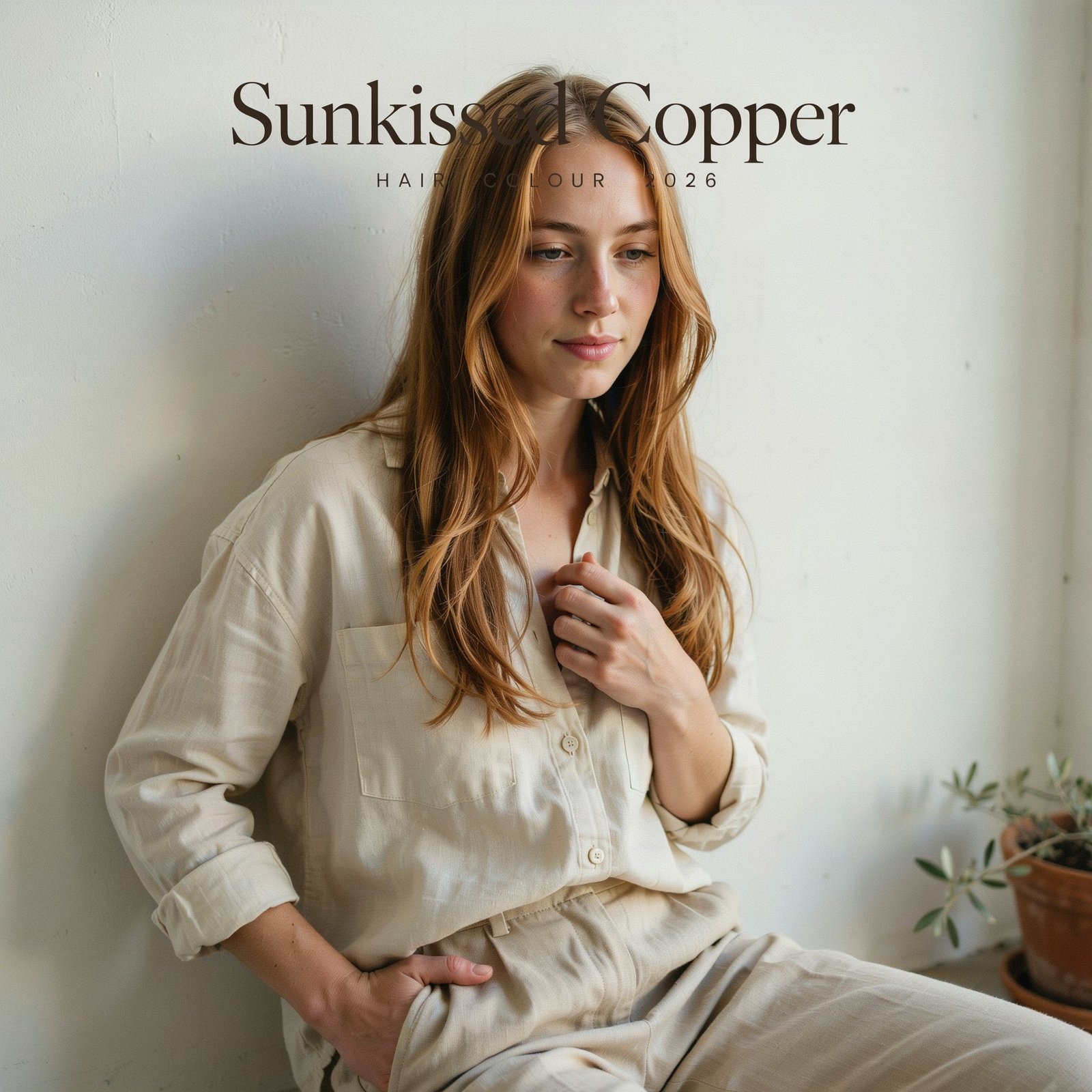
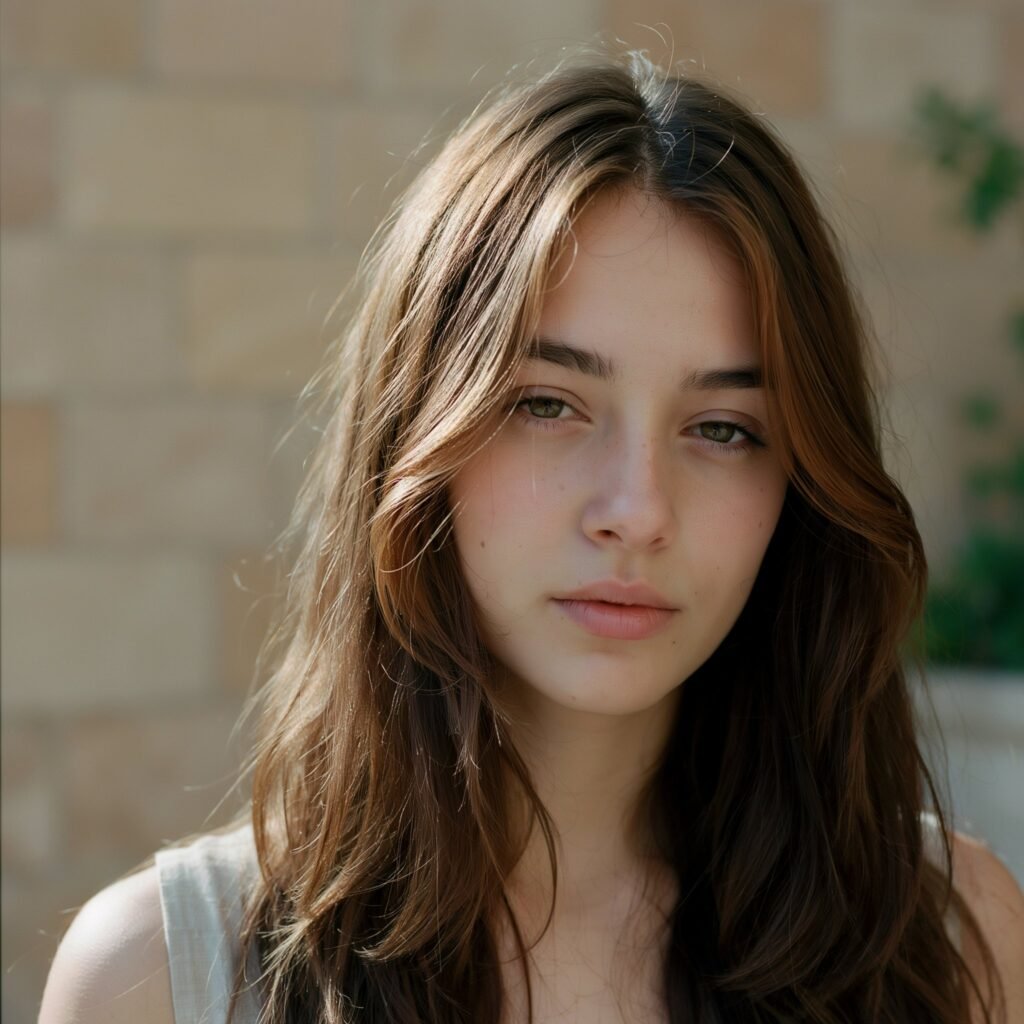
Sunkissed copper is 2026’s most seasonal colour direction — and the one most directly in conversation with the way a person’s hair actually changes when they spend significant time outdoors through the warmer months. It is not a copper in the full renovation sense of the earlier direction in this season’s colour story. It is a lighter, more diffuse version of the copper family — a warm, amber-shifted lightness placed through the sections that would naturally catch the sun, on a base that is dark enough to provide the contrast that makes the sunkissed quality readable as a placement rather than as an all-over result. The sunkissed copper is the colour that makes summer look like it happened to the hair rather than a colourist.
Why the sunkissed copper is the seasonal statement of 2026:
Its warmth is placed rather than applied — the copper quality exists only in the sections where the sun would have reached, which is the specificity that makes the result look natural rather than constructed. It is the most accessible copper direction for clients new to the red-warm family — the lower saturation and the smaller section coverage mean the result reads as warmth within the existing colour rather than as a red hair colour, which makes it the appropriate entry point for clients who want the copper quality without the full commitment of the copper renovation. It grows through the season with the most beautiful maintenance profile of any warm technique — as the hair grows, the sunkissed sections move further from the root and read as the colour that was caught in the summer sun many months ago, which is precisely the effect a genuinely sun-affected hair colour produces.
How this colour is built:
The placement is the entire brief — before any formula is applied, identify the specific sections that carry the most natural light exposure on this client’s head. The top layer, the face-framing pieces, the sections that come forward when the hair is pushed back — these are the sections that receive the copper formula. Apply a warm copper-amber toner directly to the identified sections without a pre-lightening step on naturally warm or medium brown hair — the toner deposits the copper quality on the existing base without the uniformity that a lifted and toned result produces, which is precisely the irregularity that makes the result look sunkissed rather than salon-applied. On dark or cool-toned hair where the toner cannot deposit without a lift, a very brief, low-volume lightening application through the identified sections only, lifted to a pale orange and toned immediately with the copper formula, achieves the same quality.
Maintenance and growth:
The sunkissed copper fades from copper toward a warm amber and then toward a warm golden tone — every stage of the fade is beautiful and in the same warm direction, which means the result is flattering through the entire appointment interval without a correction step. Full refresh every sixteen weeks, or as the client feels the copper quality has faded past the point they want to maintain.
The Precision Toner — The Final Technique That Defines the Season
The precision toner is 2026’s most consequential technical development — and the direction that separates the colour results of this season most completely from everything that came before it. It is not a shade. It is not a technique in the conventional sense. It is a philosophy of application that applies to every toning step in every appointment this season, and its adoption is what makes the difference between a colour result that is correct and one that is completely personal.
The precision toner of 2026 is built on a single principle: that the toner formula should not be the same on every section of the head. The root processes differently from the mid-length. The mid-length processes differently from the ends. The face-framing sections process differently from the interior sections. And a toner applied uniformly across all of these different sections produces a uniform result on hair that is not uniform — which is the reason toned results have historically looked more considered in the chair than they do two weeks later, when the different sections have faded at different rates and revealed that the formula was never calibrated to them individually.
Why the precision toner is the defining technique of the season:
It produces a result that holds rather than fades — because each section receives the formula that is appropriate to its porosity and processing history, the toner deposits evenly across the head and fades evenly across the head, maintaining the balance of the initial result through the entire appointment interval rather than breaking down section by section. It is the most significant improvement in colour longevity of any single technique change this season — clients who have previously seen their toned results shift dramatically within the first four weeks find that a precision-toned result holds its balance through eight to ten weeks with minimal home maintenance. It requires the most from the colourist — mapping the porosity of the head before the toning step, mixing multiple toner formulas for a single appointment, and applying them in a specific sequence is more demanding than a single-formula application, and the results make the demand entirely worthwhile.
How the precision toner is applied:
Before mixing any toner, assess the porosity of the hair in three zones — root section, mid-length, and ends. Porous ends require a weaker toner dilution or a shorter processing time than the mid-length. The root section, if unlightened, requires a clear or very lightly pigmented formula rather than the full toner applied to the lifted sections. Mix three formulas: the root formula, the mid-length formula, and the end formula, each calibrated to the porosity and existing tone of its section. Apply the end formula first — the ends are the most porous and require the longest total processing time. Apply the mid-length formula five minutes later. Apply the root formula five minutes after that. Rinse all sections simultaneously, so the end formula has processed for fifteen minutes, the mid-length for ten, and the root for five — the differential processing time is what produces the even result rather than the over-toned ends and under-toned root that a simultaneous application produces on differentiated hair.
Maintenance and growth:
The precision toner’s defining characteristic is its maintenance profile — the even fade across all sections means the result softens uniformly over the appointment interval rather than in patches, and the client’s home maintenance routine is simpler because there is no section of the head that has faded ahead of the others and requires targeted correction. Refresh every eight to ten weeks.
The Principles Behind the Third Edit
Three technical commitments run through every direction in this guide that are worth carrying into the appointment alongside the shade reference.
The method is part of the formula. Every result in this guide depends as much on how it is applied as on what is applied — the caramel balayage without the bond-sealing step is not the caramel balayage, the precision toner without the differential processing time is not the precision toner, and the bespoke gloss without the post-assessment mixing is not the bespoke gloss. The technique is not separable from the result. It is the result.
The most technical appointments produce the least technical-looking results. Every direction in this guide requires more from the colourist than a standard formula application — more observation, more formula complexity, more precision in the application sequence. And every result produced by that investment looks more effortless, more personal, and more like the client’s own hair than a simpler approach would produce. The relationship between technical complexity and apparent ease is not a paradox. It is the definition of craft.
The colour calendar is a relationship, not a series of transactions. The third edit of the season’s colour story exists because the first two edits established a direction, and this one deepens it. Clients who approach each appointment as a continuation of a conversation rather than a fresh start produce better results over time — the colourist who knows the history of the hair, the formula that worked and the one that drifted, the maintenance reality of this client’s life — produces results that are more specific and more durable than any result achieved in a single appointment with no prior relationship. The third edit is the appointment that rewards continuity.
The Season Completes Itself
Every colour direction in 2026’s three-part story has been built on the same foundational commitment — that a shade is a portrait, that a formula is built in a consultation rather than retrieved from a chart, and that the result that matters is the one that looks its best at week eight rather than only on the day of the appointment.
The third edit does not close the season. It deepens it. The techniques in this guide are the ones that make every shade more of what it was designed to be — more personal, more durable, more completely the property of the person wearing it rather than a colour direction that has been applied to a head and called complete.
Bring the history to the consultation. Know the formula that has worked and the one that has drifted. Know the maintenance window and the porosity and the section of the head that processes fastest. Know what the hair has been through and build the next result from that knowledge rather than despite it. In 2026, that is the only appointment worth having.