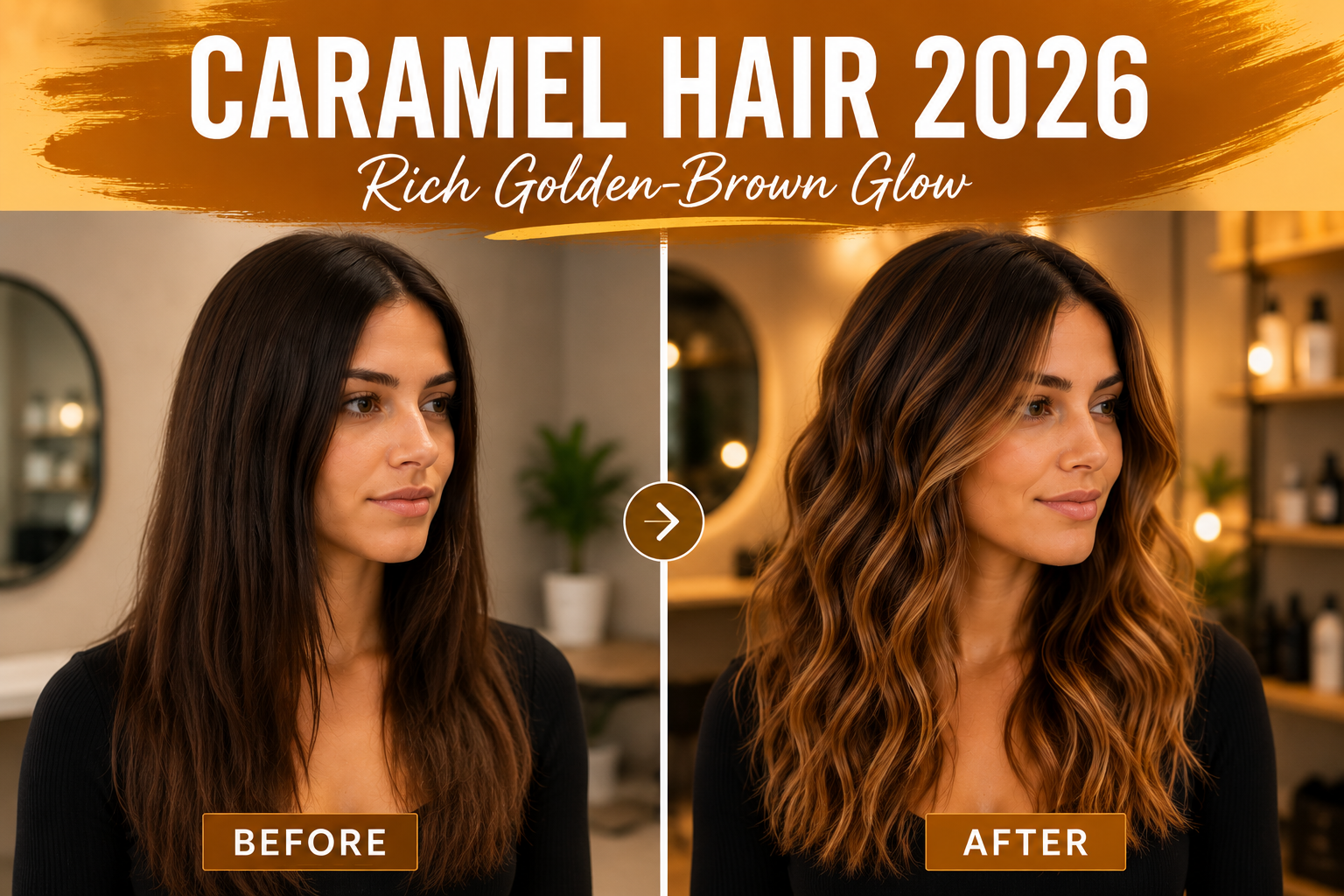
Discover caramel hair color for 2026 how to achieve this rich golden-brown shade, maintain its glow, and avoid common brassiness mistakes.
Caramel hair color has quietly become one of the most requested warm shades in salons, and for good reason it delivers richness and warmth without the high-maintenance upkeep of brighter blonde or the drama of bold red. Having worked with countless clients chasing that perfect caramel finish, I can say it’s one of those shades that looks effortless but actually requires real skill to formulate correctly.
This guide breaks down everything you need to know about caramel hair color in 2026: what defines the shade, who it suits, how it’s achieved, and how to keep it looking rich and glossy rather than dull or brassy.
One of the reasons caramel has such staying power is that it occupies a genuinely flattering middle ground warmer and richer than a plain brunette, but far more wearable and low-drama than a bold copper or vivid red. It’s the kind of color that reads as “your hair, just better,” which is exactly the quality clients tend to ask for most in 2026, whether they realize it or not.
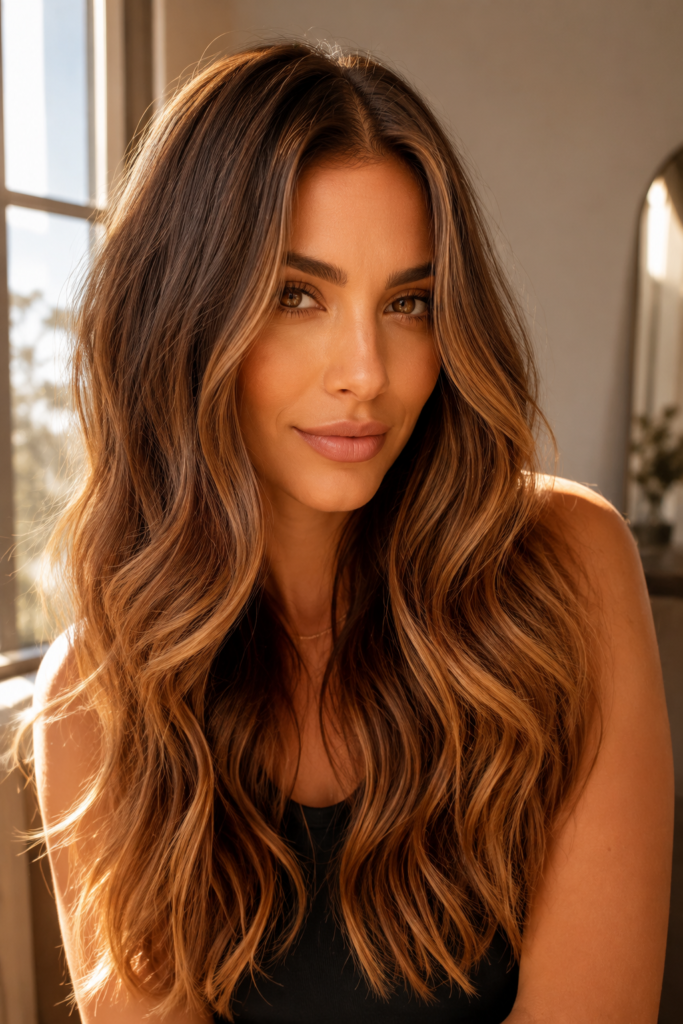
What Exactly Is Caramel Hair Color?
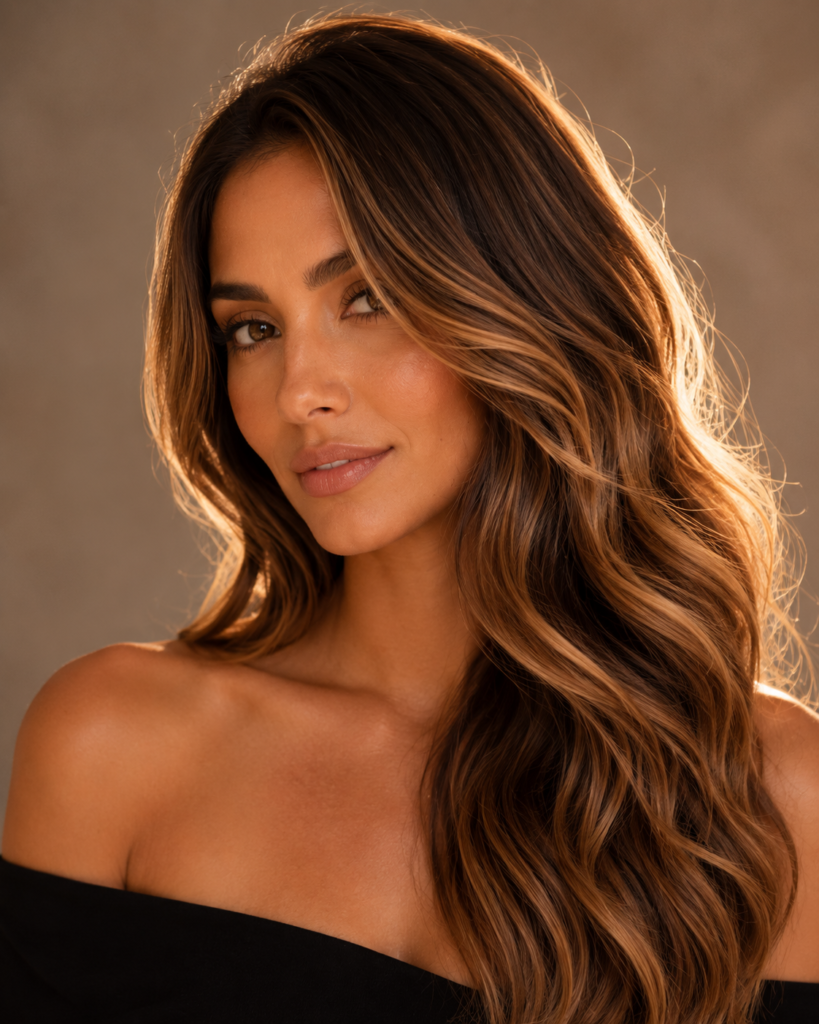
Caramel hair color is a warm, golden-brown shade that sits between light brown and dark blonde, often featuring rich amber and honey undertones reminiscent of the confection it’s named after. It’s a versatile, multi-tonal shade that can be applied as an all-over color, balayage, or highlights, depending on the desired level of dimension.
Unlike flat, single-process brown, caramel typically incorporates warm, golden pieces throughout that catch the light beautifully, creating a glossy, dimensional finish rather than a one-note color.
It’s worth noting that “caramel” as a shade name covers a fairly wide range within the warm brunette family, from a lighter, more honeyed variation that leans closer to dark blonde, to a deeper, richer caramel that sits closer to a warm chestnut brown. This range gives colorists a lot of room to customize the exact tone to a client’s natural coloring, skin undertone, and desired level of contrast against their base color.
Why Caramel Hair Color Is Trending in 2026
Several factors continue to drive caramel’s popularity this year:
- A sustained preference for warm, dimensional brunette shades over flat, single-process color
- Increased demand for low-maintenance color that grows out gracefully
- Growing interest in “your hair but richer” natural-looking enhancements
- Social media exposure through colorists showcasing multi-tonal caramel balayage transformations
- A shift toward warmer, richer tones overall as cooler ash-toned trends have cycled out of peak popularity
Caramel has also become a favorite transitional shade for those moving away from platinum or icy blonde tones without committing to a fully dark brunette look. This transitional appeal has made it especially popular among clients who spent the past few years maintaining high-maintenance blonde and are now looking for a shade that still feels bright and dimensional but comes with significantly less upkeep and less risk of ongoing damage from repeated lightening sessions.
There’s also a strong cross-seasonal appeal to caramel that keeps it relevant throughout the year rather than being tied to a single trend cycle. It works as a cozy, warm autumn shade just as easily as it works as a sun-kissed summer color, which gives it a kind of evergreen quality that fewer trending shades manage to achieve.
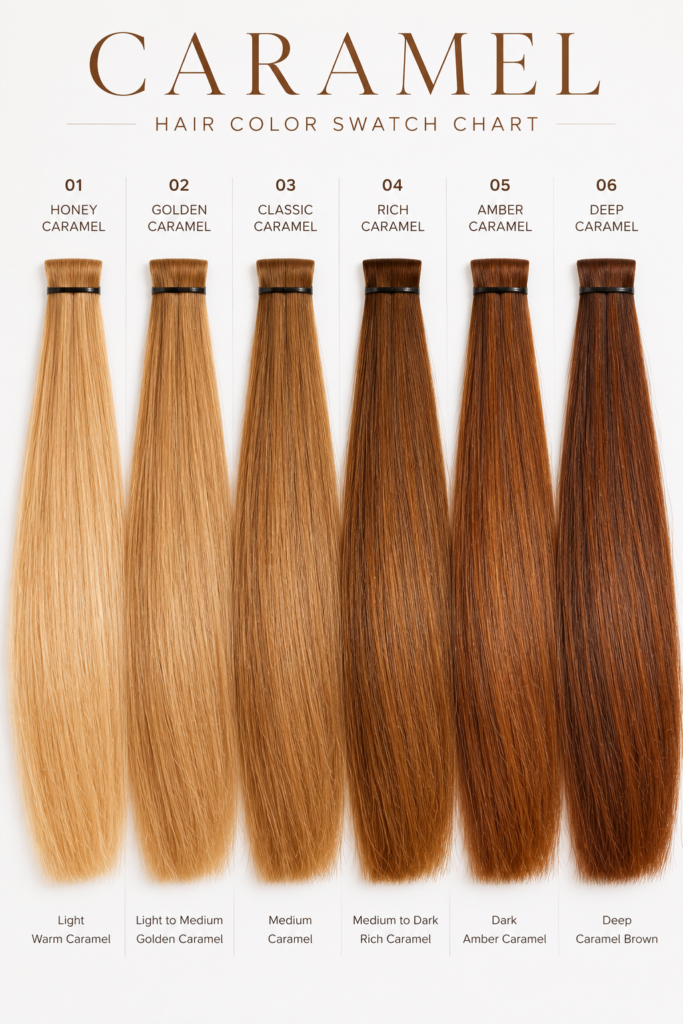
Caramel Hair Color and the Seasons
Caramel tends to feel particularly at home during autumn, when its warm, golden-brown tones naturally complement the season’s overall palette of amber, rust, and deep gold. Many colorists see a noticeable rise in caramel requests as clients transition their color alongside their wardrobe heading into fall.
That said, lighter, more honeyed variations of caramel remain extremely popular throughout spring and summer, often enhanced by natural sun exposure that deepens the golden tones between salon visits. Because the shade spans such a wide range, colorists can easily adjust the depth and warmth level depending on the season and the client’s overall styling preferences at the time.
How Caramel Hair Color Interacts With Hair Texture
Hair texture plays a meaningful role in how caramel color develops and wears over time. Fine hair tends to absorb warm pigments relatively quickly and evenly, though this can also mean the color fades a touch faster if the hair has been lightened as part of achieving the caramel tone.
Coarser or thicker hair often requires more thorough saturation and a longer processing time to achieve a fully even caramel result throughout, and colorists frequently section thicker hair meticulously to avoid any inconsistent patches. Curly and textured hair can showcase caramel tones beautifully, since the natural dimension created by curl patterns tends to enhance the warm, multi-tonal nature of the shade, making it look even richer and more dynamic in motion.
As always, being upfront with your colorist about your hair’s history including any prior coloring, heat styling habits, or chemical treatments helps them plan the most effective and hair-healthy path to your desired caramel result.
Who Should Try Caramel Hair Color?
Caramel works beautifully across a range of hair types and skin tones, though certain factors influence how the shade will appear:
Brunette Hair: Those with naturally brown hair often achieve the most seamless caramel results, since less lifting is required to introduce warm, golden tones.
Warm or Neutral Skin Undertones: Caramel tends to complement warm and neutral skin tones especially well, enhancing natural glow without appearing jarring.
Those Transitioning from Blonde: Caramel serves as a popular, flattering transitional shade for those growing out platinum or icy blonde color without going fully dark.
Fair to Medium Skin Tones: This shade is especially flattering across fair and medium skin tones, though skilled colorists can adjust the depth and warmth to suit a broader range of complexions.
Those Wanting a Low-Drama Warm Color: For clients who like the idea of warm, dimensional hair but don’t want anything as bold as red or copper, caramel offers a gentler, more versatile entry point into warm tones that still reads as polished and intentional.
The Process: How Caramel Hair Color Is Achieved
Getting to a rich, believable caramel shade typically involves a carefully balanced coloring approach:
Base Color Assessment – Colorists evaluate your natural or current hair color to determine how much lifting or depositing is needed to achieve the desired caramel tone.
Color Formulation – Warm gold, amber, and honey pigments are mixed in specific ratios to create the signature caramel balance, avoiding shades that skew too ashy or too orange.
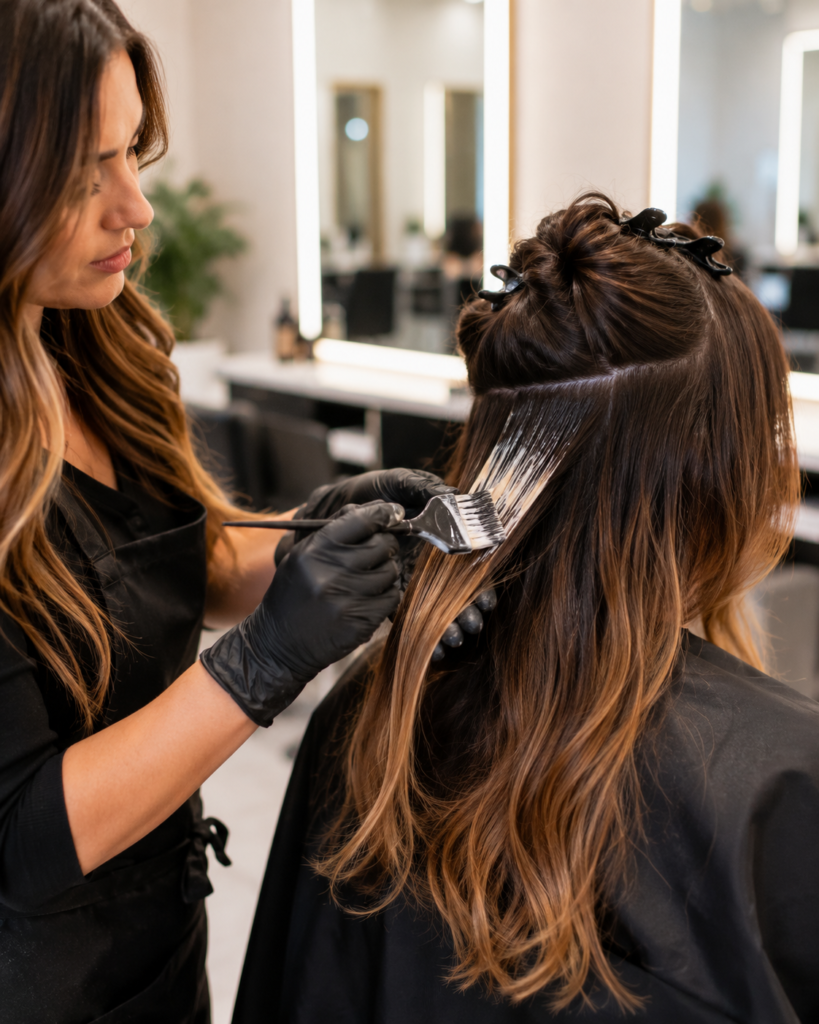
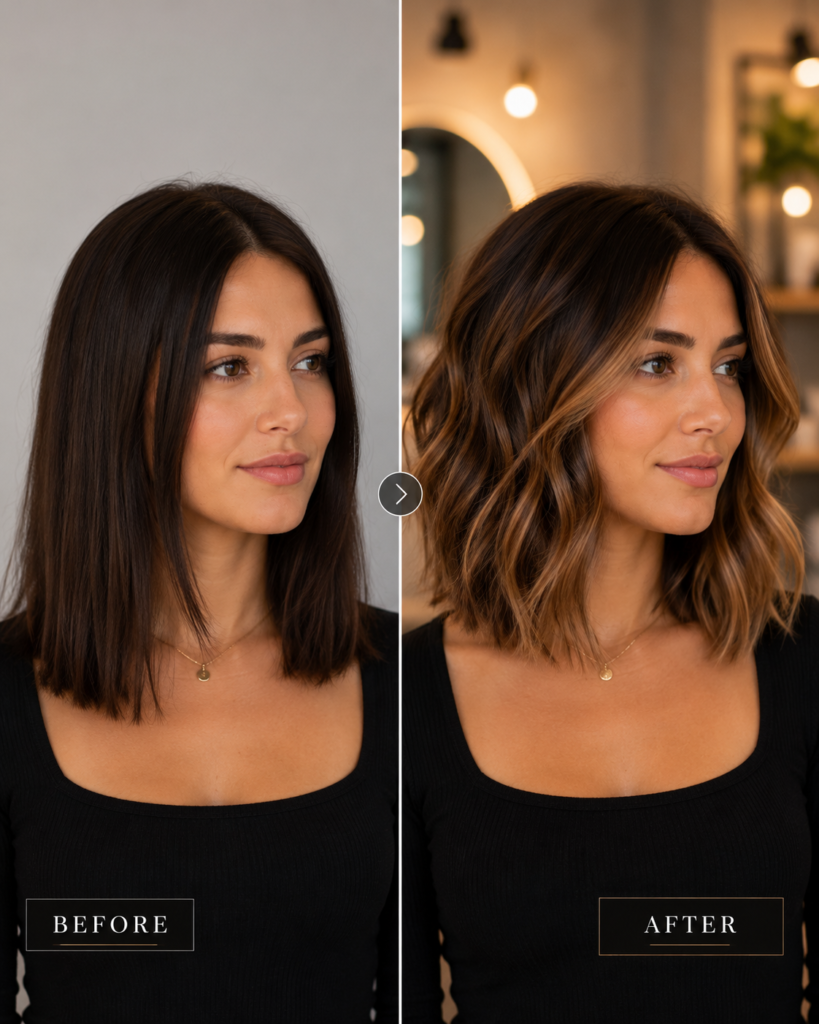
Highlighting or Balayage – Many colorists apply caramel as hand-painted balayage or foiled highlights to create dimension, rather than a flat, all-over application.
Toning and Gloss – A final gloss or toner is applied to enhance shine and ensure the caramel tone looks cohesive and multi-dimensional.
Because caramel relies on precise warm-tone formulation, working with a colorist experienced in warm brunette shades helps ensure the final result looks rich and intentional rather than accidentally brassy.
It’s also worth understanding that the exact placement pattern chosen whether concentrated around the face, distributed evenly throughout, or focused primarily on the ends has a significant impact on how “loud” or subtle the final caramel result reads. A colorist will typically factor in your hair length, the amount of natural movement in your style, and how much dimension you’re hoping to achieve when deciding on placement.
Maintaining Caramel Hair Color
Warm brunette shades like caramel can shift toward brassy or dull tones if not properly maintained. Here’s what actually works:
Use color-safe, sulfate-free shampoo. This helps preserve both the warm tone and the overall health and shine of colored hair.
Deep condition weekly. Since caramel often involves some lightening, hair can become more porous, making regular deep conditioning essential for maintaining glossy, healthy-looking color.
Refresh with a toning gloss periodically. A toning treatment every 6-8 weeks helps maintain the rich, warm balance of caramel and prevents the color from fading into a duller, flatter brown.
Limit heat styling. Excessive heat can dull the vibrancy of warm tones over time, so using a heat protectant consistently helps preserve both shine and color richness.
Get regular trims. Trimming every 8-10 weeks prevents split ends from making the color look dull or uneven at the tips.
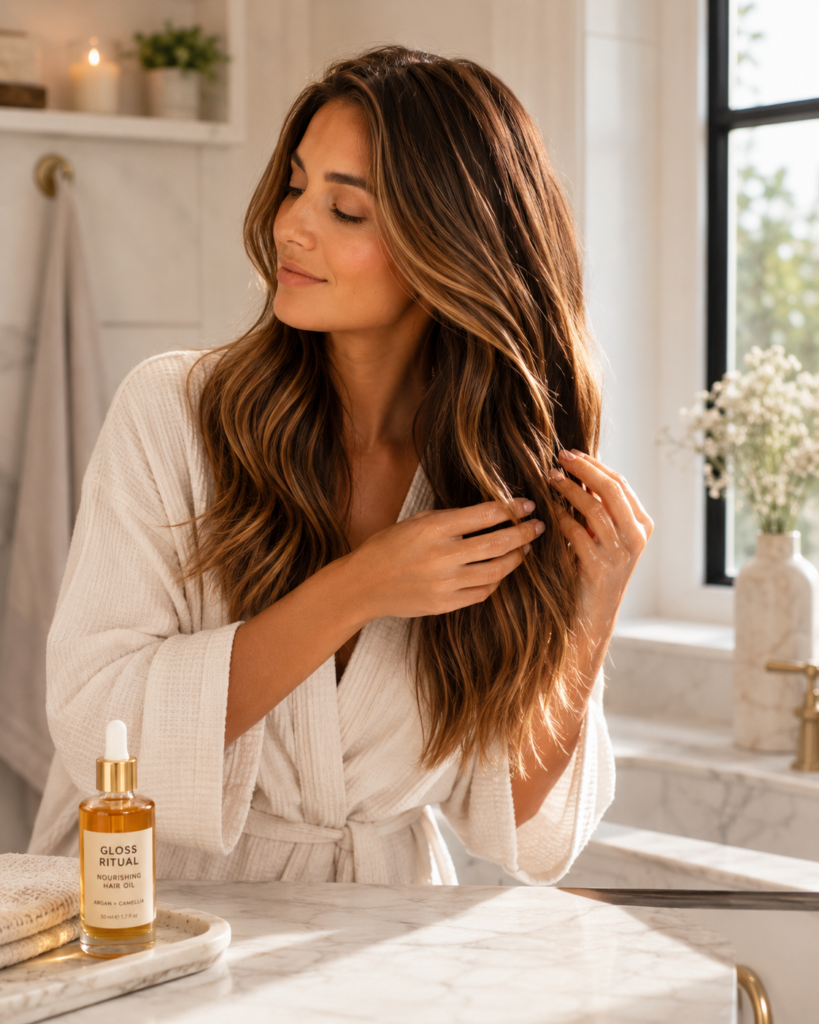
Use a weekly hair oil treatment. A lightweight, glossing hair oil applied to the mid-lengths and ends can enhance shine and help caramel tones catch the light more vibrantly between salon visits.
Wash with cool or lukewarm water. As with most warm-toned colors, hot water accelerates fading, so opting for cooler water temperatures helps the caramel tone hold its richness for longer between appointments.
Protect hair before extended sun exposure. While caramel tones can look beautiful with a bit of natural sun enhancement, excessive UV exposure without protection can cause the color to fade unevenly or shift toward a less flattering, overly warm tone over time.]
How Much Does Caramel Hair Color Cost?
Pricing varies based on your starting hair color and the technique used to achieve the caramel shade:
- Toning/gloss only (already close to caramel base): $60-$130
- Partial highlights or balayage: $120-$250
- Full head balayage or highlights with toner: $180-$400+
Since caramel can be achieved through multiple techniques, discussing your desired level of dimension and maintenance with your colorist upfront helps determine the most cost-effective approach for your specific goals.
It’s also worth factoring in the ongoing cost of gloss refreshes when budgeting for caramel hair color, since these periodic toning appointments — while typically less expensive than a full color service — are what keep the shade looking rich and prevent it from gradually fading into a duller, less vibrant brown between full appointments.
Common Mistakes to Avoid
Based on years of observing caramel transformations, here are the most frequent issues:
Skipping toner – Without proper toning, caramel highlights can shift toward an unwanted brassy orange rather than a rich, intentional golden-brown.
Choosing the wrong warmth level – Too much gold pigment can look artificial, while too little results in a flat, dull brown with no visible caramel warmth.
Neglecting aftercare products – Regular shampoo strips warm tones especially quickly, causing caramel color to fade into a duller shade within weeks.
DIY box dye attempts – At-home caramel dye kits often result in uneven, overly brassy color that’s difficult to correct without professional intervention.
Ignoring skin undertone during consultation – Choosing a caramel shade without considering skin undertone can result in a look that feels unbalanced or unflattering.
Not accounting for hair porosity – Highly porous hair, often the result of previous chemical treatments, can absorb warm pigments unevenly, leading to a caramel result that looks patchy or inconsistent in tone.
Expecting an exact match to a reference photo – Because caramel looks different depending on your natural base and hair texture, expecting an identical result to a photo without accounting for your own starting point can lead to unnecessary disappointment during the reveal.
Talking to Your Colorist About Caramel
Because caramel spans such a wide range of tones, a clear consultation is essential to getting the result you actually want. Bring reference photos, but also be ready to describe the warmth level you’re after in relative terms do you want something closer to a light honey-caramel, or a deeper, richer amber-caramel that leans closer to chestnut? These distinctions matter significantly when your colorist is formulating the exact color.
It’s also worth mentioning your realistic maintenance habits during the consultation. If frequent salon visits aren’t practical for your schedule or budget, your colorist can lean toward a balayage-based application that grows out more gracefully, rather than an all-over color that would show a more obvious root line as your natural color grows in.
Final Thoughts
Caramel hair color continues to be a beloved choice because it strikes the perfect balance between warmth and wearability. Whether applied as a full color, balayage, or highlights, this rich golden-brown shade offers a flattering, low-maintenance option for those wanting depth and dimension without drastic upkeep.
If you’re considering caramel hair color in 2026, take the time to find a colorist experienced in warm brunette formulations, discuss your desired level of dimension clearly, and commit to a consistent aftercare routine to keep your color looking rich, glossy, and intentional.
Frequently Asked Questions (FAQ)
Q1: Does caramel hair color work on dark brown or black hair? Yes, though achieving a visible caramel tone on very dark hair typically requires some lightening through highlights or balayage to allow the warm color to show up clearly.
Q2: How long does caramel hair color last? Caramel color typically lasts 8-12 weeks before needing a touch-up, with toning refreshes recommended every 6-8 weeks to maintain warmth and prevent brassiness.
Q3: Will caramel hair color fade into a different shade? Yes, caramel commonly fades toward a duller, more muted brown as the warm gold pigments naturally wash out faster than the underlying base color.
Q4: Is caramel hair color high-maintenance? Compared to bright blonde or vivid colors, caramel is relatively low-maintenance, especially when applied as balayage, since it grows out gracefully without an obvious root line.
Q5: Can I maintain caramel hair color at home between salon visits? Yes, using color-depositing conditioners, glossing hair oils, or warm-toned masks can help maintain vibrancy and shine between full salon appointments.
Q6: Can caramel hair color help blend gray hair? Yes, caramel’s warm, multi-tonal nature makes it a popular option for blending early gray, since the golden pieces help soften the contrast between gray strands and the surrounding hair color.
Q7: Does caramel hair color suit curly hair differently than straight hair? Caramel tends to look especially dynamic on curly or textured hair, since the natural movement of curls catches and reflects the warm tones from multiple angles, often making the color appear even richer and more dimensional than it would on straight hair.