Discover the top spring 2026 hairstyle trends soft layers, modern shags, curtain bangs, and easy heatless styling tricks for every hair type.
There’s a specific kind of hairstyle that photographs beautifully without looking like it took two hours to create and that’s exactly what’s defining spring 2026. After watching salon requests shift over the past few seasons, one pattern keeps repeating: people aren’t asking for the most dramatic cut in the chair anymore. They’re asking for the one that still looks like them on day three, in humidity, without a mirror.
This guide breaks down the hairstyles actually worth bringing to your stylist this spring: which cuts and styling techniques are trending, why they’re trending, how to adapt each one to your own hair texture, what to pair them with, and how to keep them looking fresh long after you leave the salon chair.
Something worth understanding upfront is that “trending” this season doesn’t mean one universal cut. It means a small set of techniques soft layering, lived-in texture, face-framing movement that get reinterpreted differently depending on your hair type, length, and face shape. The common thread isn’t the silhouette, it’s the effortless-looking finish.
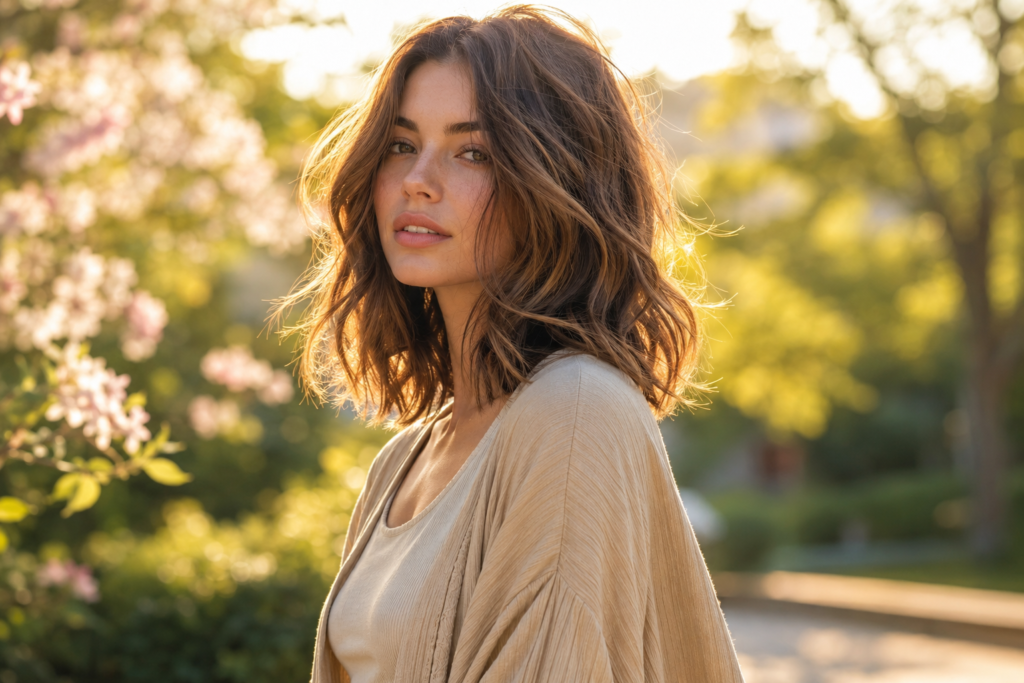
Why Spring Hairstyle Trends in 2026 Are All About “Undone” Texture
Several factors are shaping this year’s approach to spring hairstyling:
A continued industry move away from precision-blowout perfection toward styles that look intentionally lived-in Growing preference for low-maintenance texture that holds up through humidity, wind, and a full day of activity Increased demand for face-framing layers that work with natural texture instead of requiring daily heat styling A resurgence of soft, undone updos for occasions, replacing sleek, tightly polished versions Social media exposure showing how “your hair but better” styles outperform obviously styled, red-carpet looks in everyday engagement
Stylists have noted that clients are increasingly requesting cuts and finishes that photograph naturally rather than “styled,” which lines up with 2026’s broader preference for authenticity over visible effort.
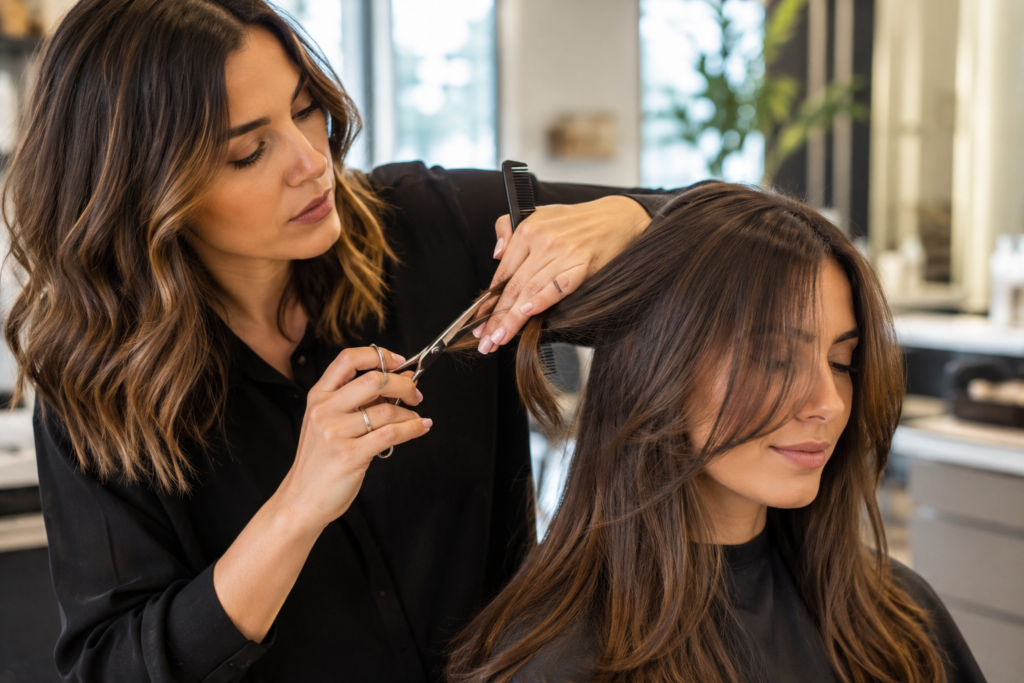
The Cuts and Styles Defining Spring 2026
Spring hairstyles this year lean into shapes that move well and require minimal daily effort:
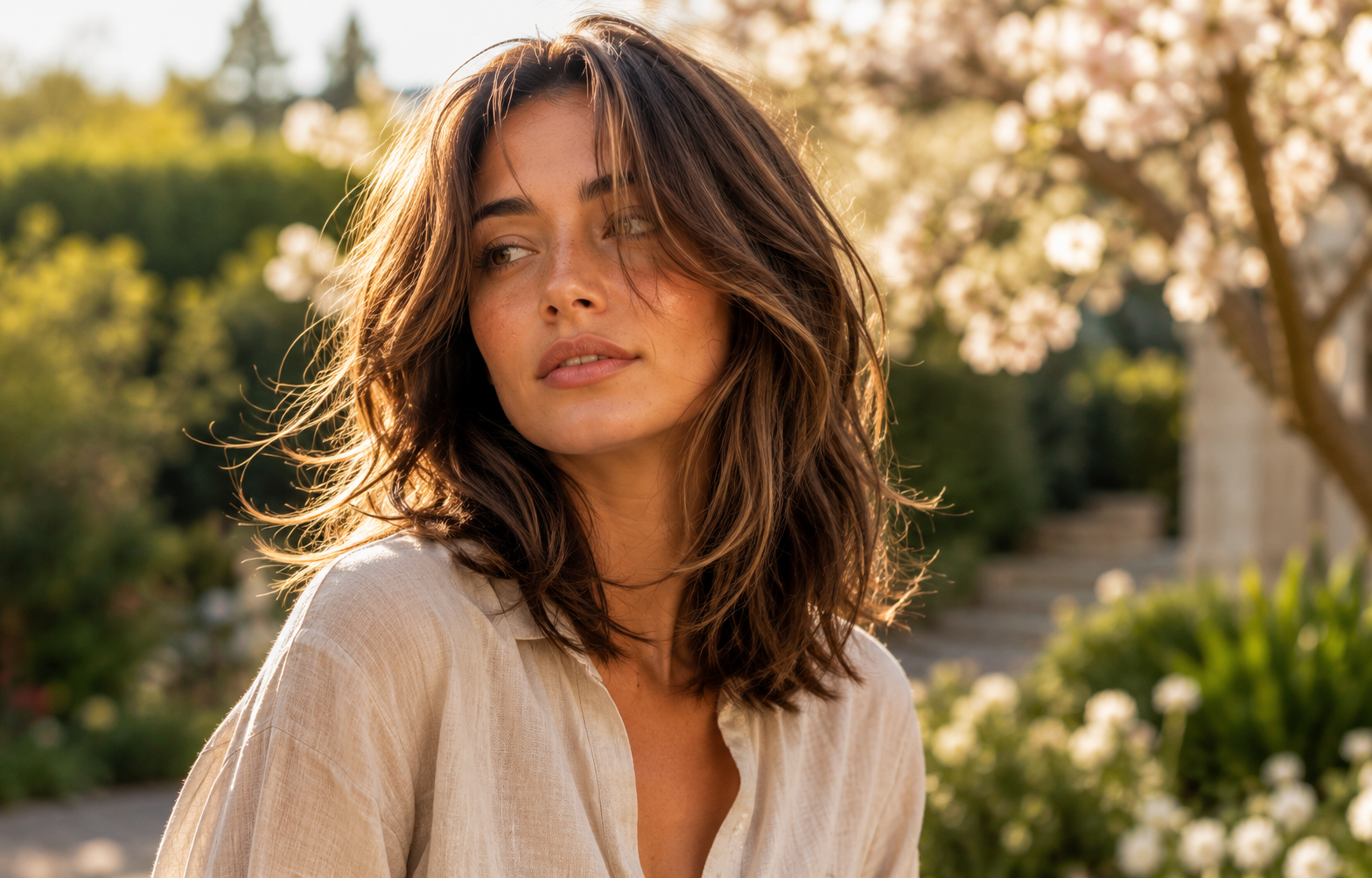
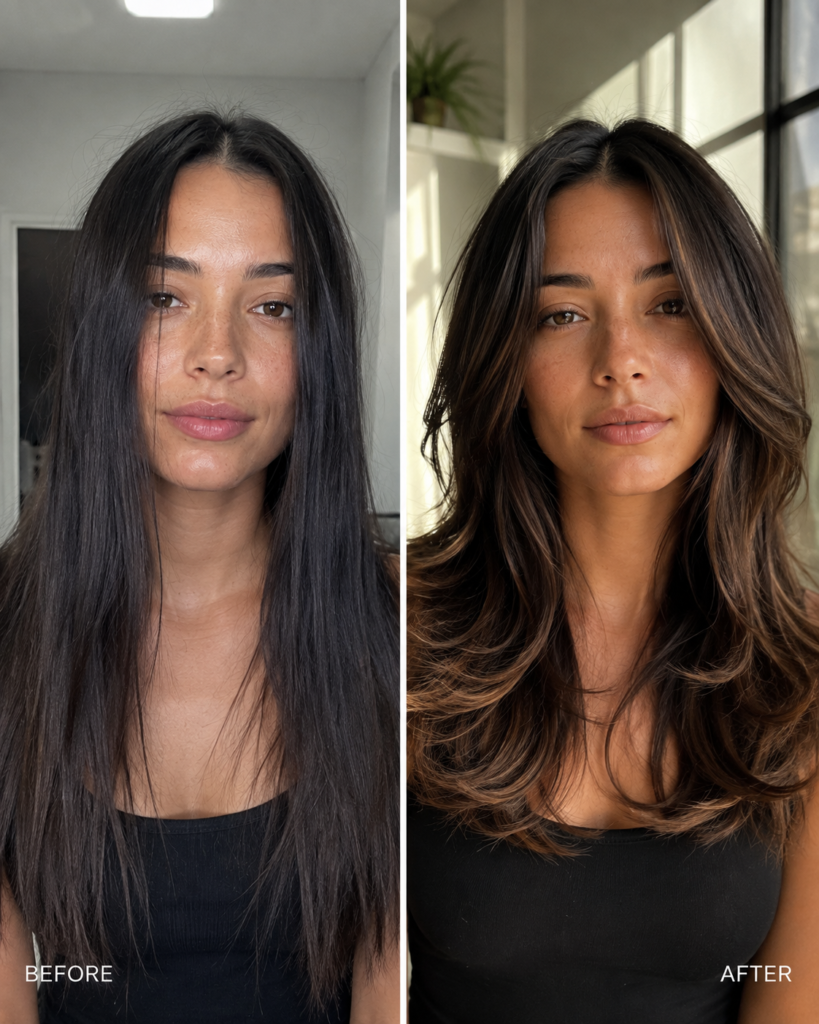
Long Layers with Curtain Bangs: Soft, face-framing layers paired with curtain bangs remain one of the most requested cuts because they flatter almost every face shape and grow out gracefully.
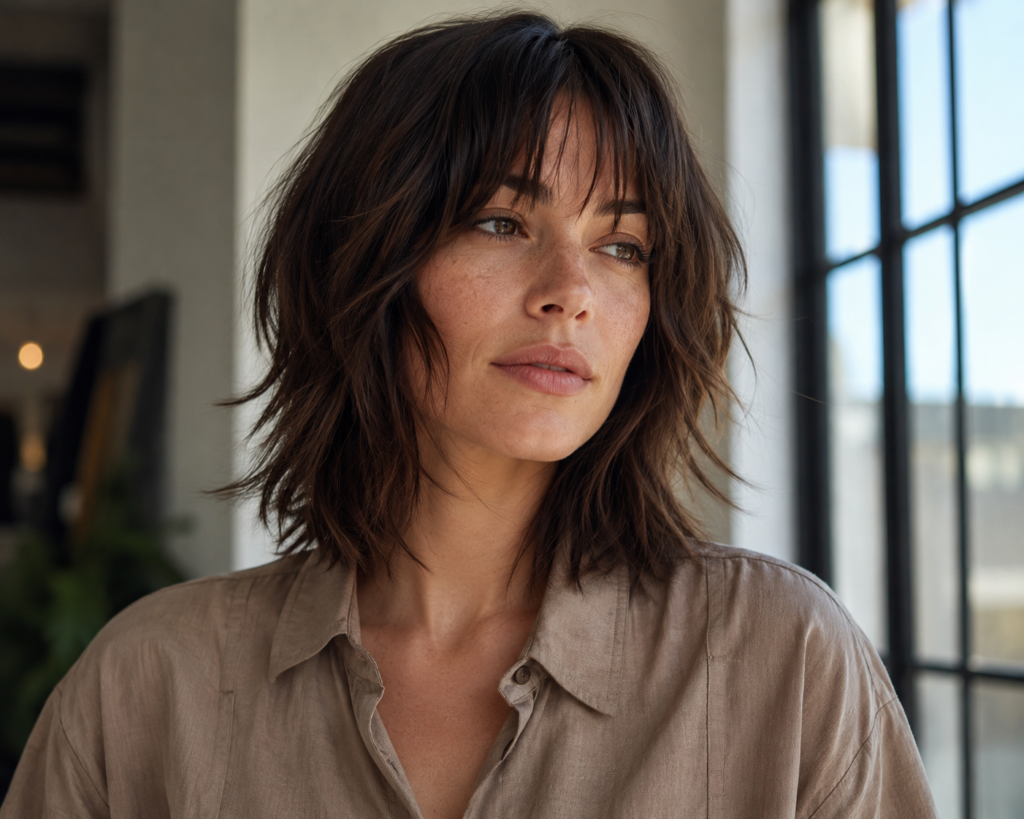
The Modern Shag: A textured, layered shag with movement throughout works especially well on medium to fine hair, adding the illusion of volume without heavy styling.
Lob with Soft Waves: A longer bob that hits between the chin and collarbone, styled with loose, beachy waves rather than a sleek blowout, continues to dominate spring requests.
Face-Framing Highlights Paired with Soft Layers: Even without a dramatic cut, adding subtle layers around the face combined with dimensional color creates a refreshed look for spring.
Undone Braided Updos: For special occasions, loose, textured braids gathered into a soft updo are replacing tight, sleek styles, offering an elegant look that still photographs naturally.
Blunt Cut with Soft Ends: A slightly less common but rising request, this style keeps length and density while softening the very ends so the cut doesn’t read as harsh.
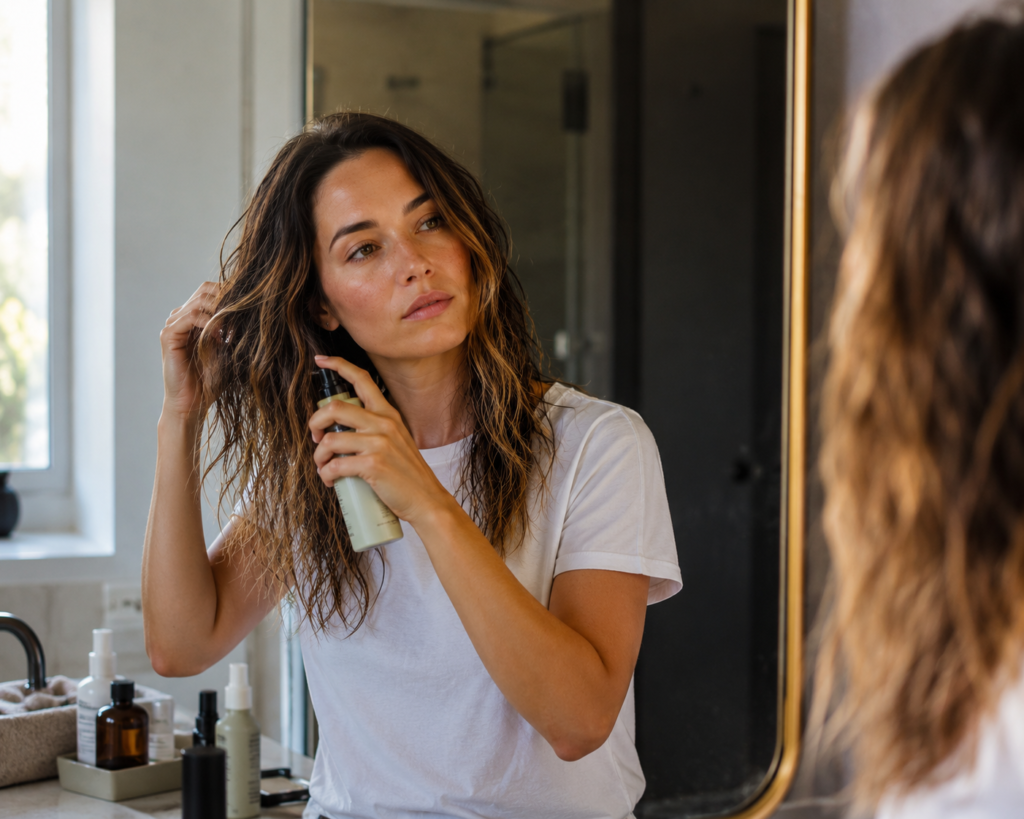
Styling Techniques Worth Learning This Spring
Even without a haircut change, these styling techniques can update your everyday look:
Texturizing Spray Over Heat Styling: A lightweight texture spray applied to slightly damp or dry hair creates natural-looking waves without the commitment of daily heat damage.
Diffusing Instead of Straightening: For naturally wavy or curly hair, diffusing to enhance the natural pattern rather than straightening it flat is a major spring shift toward working with texture instead of against it.
Loose, Low Ponytails and Buns: Instead of tight, slicked-back styles, spring 2026 favors slightly loose ponytails and buns with a few face-framing pieces left out.
Overnight Braids for Second-Day Waves: A loose braid worn overnight creates soft, undone waves the next morning without any heat at all.
Scalp-Focused Styling: A healthy, well-groomed scalp part is getting as much attention as the ends this season, with lightweight scalp oils used to add shine at the root without weighing hair down.
Which Style Works Best for Your Hair Type
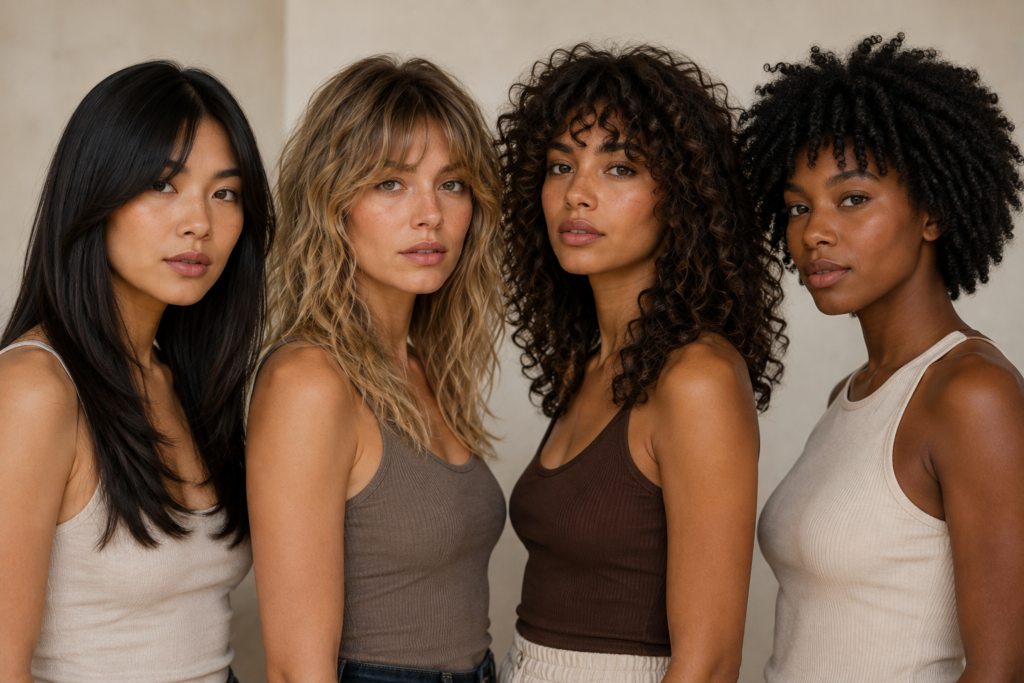
Straight hair: Long layers and curtain bangs show off shine and movement especially well, and a lightweight texture spray adds just enough grip for a soft wave without flattening the natural sleekness.
Wavy hair: A modern shag or lob lets the natural wave pattern do most of the work, and diffusing rather than straightening keeps the style low-maintenance.
Curly hair: Face-framing layers cut specifically for curl shrinkage (rather than cut straight and then curled) prevent a triangular silhouette and let curls fall naturally.
Fine hair: A shag with strategic layering adds the illusion of volume; heavy one-length cuts tend to look flatter and thinner by comparison.
Thick hair: Long layers remove bulk and weight, making styles like the lob or curtain-bang layers far easier to manage day to day.
Coily hair: Layers cut with attention to shrinkage patterns and a focus on shape over length help coily hair keep its natural volume while still looking intentional.
Accessorizing Spring Hairstyles
A few simple accessories are showing up alongside these cuts this season: thin gold or tortoiseshell claw clips for half-up styles, soft satin scrunchies that protect hair from breakage in low ponytails, and delicate hair pins used sparingly along a side part rather than as a full statement piece. The overall approach mirrors the hairstyles themselves accessories that enhance rather than announce themselves.
Common Mistakes to Avoid This Spring
Bringing the wrong reference photo — a cut that looks effortless on someone with a different hair type or density often requires significant adaptation to work on yours; always discuss texture differences with your stylist rather than expecting an identical result.
Over-styling a “lived-in” cut — many of these spring styles are designed to look undone; too much product or heat styling can actually work against the intended effect.
Skipping regular trims — face-framing layers and shags rely on shape; skipping trims lets the layers grow out unevenly and lose their intended movement.
Fighting natural texture instead of working with it spring 2026’s biggest shift is toward enhancing what your hair already does rather than forcing it into a different pattern every day.
Choosing a dramatic cut for a special event without a trial run undone updos and braided styles look best when your stylist has practiced the exact look on your hair texture beforehand.
Overloading fine hair with heavy products texture spray and dry shampoo work best in light layers; too much product weighs down exactly the volume these cuts are meant to create.
Maintaining These Styles Between Salon Visits
Trim every 8-10 weeks to keep layers and shags looking intentional rather than overgrown Use a lightweight leave-in conditioner on damp hair to support natural texture without weighing it down Sleep on a silk or satin pillowcase to reduce frizz and preserve overnight braid waves Rotate texture spray with a hydrating mist so texture products don’t build up and dry hair out over time Book a mid-season “shape refresh” appointment if layers start losing their movement before your next full trim
Talking to Your Stylist About Spring Hairstyles
A productive consultation starts with being specific about your daily routine how much time you realistically spend styling your hair each morning, and whether you’re willing to learn a new technique like diffusing or texturizing spray application.
It’s also worth bringing photos of your hair on both a “good hair day” and a more typical day, since this gives your stylist a realistic sense of what they’re actually working with rather than just an idealized reference image.
Final Thoughts
Spring hairstyle trends in 2026 are really about working with your hair rather than constantly fighting it soft layers, natural texture, and lived-in finishes that hold up through a real day rather than just a photo. Whether you’re going for a full cut change like a modern shag or simply updating your styling routine with texture spray and looser buns, the goal is the same: a look that still feels like you by the afternoon.
If you’re planning a spring refresh in 2026, bring an honest reference photo, be upfront about your styling routine, and consider a texture-specific consultation so your cut is designed for your hair rather than a generic version of the trend.
Frequently Asked Questions (FAQ)
Q1: What’s the biggest hairstyle trend for spring 2026? Soft, lived-in texture think loose waves, face-framing layers, and undone updos rather than sleek, heavily styled looks.
Q2: Will a shag haircut work on thick hair? Yes, though a stylist will typically remove more weight and add more internal layering to keep thick hair from looking bulky.
Q3: How often do I need trims to maintain layers? Roughly every 8-10 weeks to keep face-framing layers and shag cuts looking intentional rather than growing out unevenly.
Q4: Is heatless styling actually effective for these looks? Yes, overnight braids and texturizing spray on damp hair can create very similar results to heat styling with far less damage over time.
Q5: Can curly hair get curtain bangs? Yes, but they should be cut dry or with curl shrinkage accounted for, since curly hair springs up significantly once it dries.
Q6: What’s the easiest low-maintenance option this spring? A lob with soft waves paired with a lightweight texturizing spray tends to require the least daily effort while still looking current.
Q7: Do these styles work for special occasions, or just everyday wear? Both undone braided updos specifically are designed to look elevated enough for events while still keeping that natural, non-stiff finish.
Q8: What accessories pair best with these spring cuts? Simple, understated pieces thin claw clips, satin scrunchies, and delicate side-part pins — work best since the styles themselves are meant to look effortless rather than heavily accessorized.