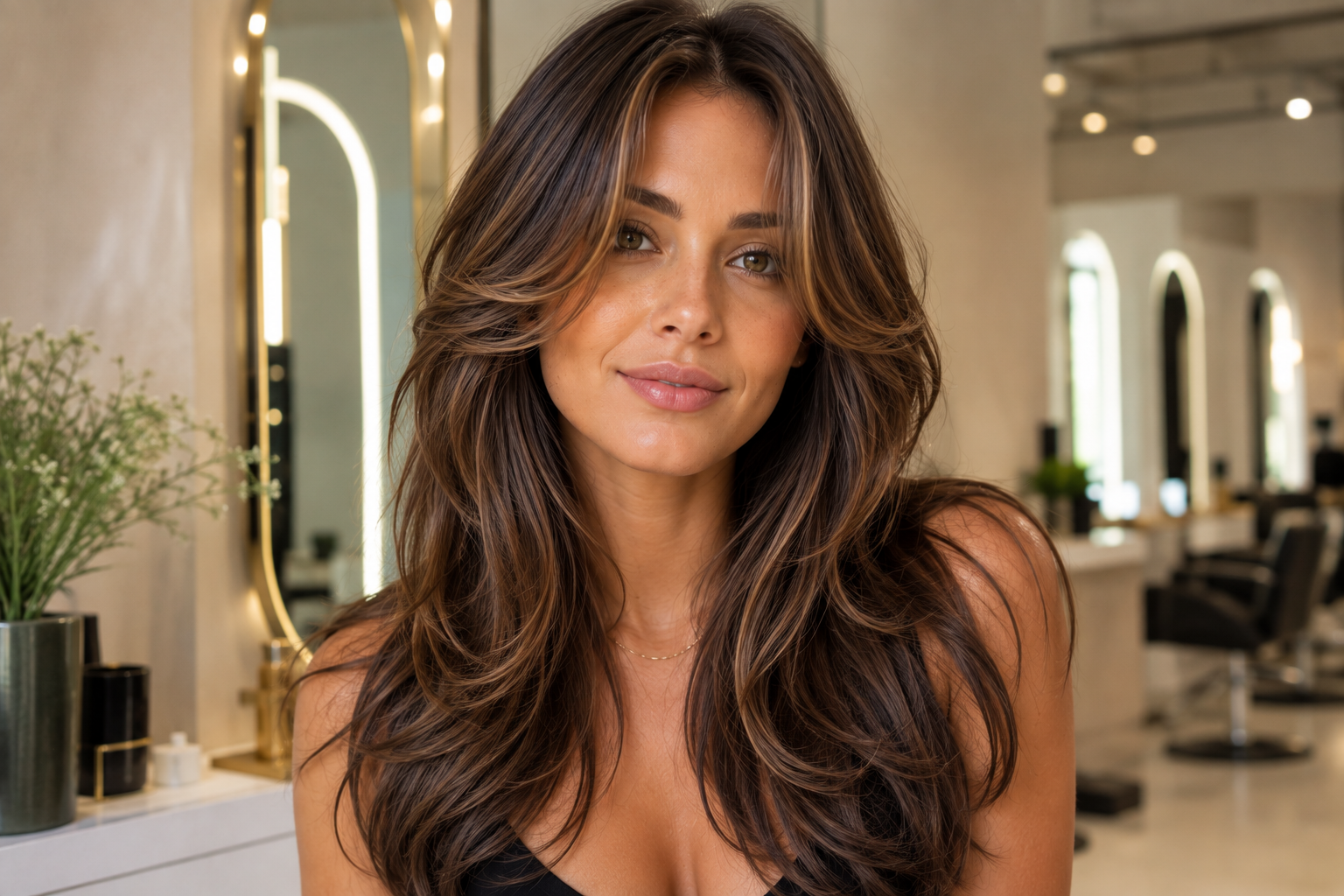
Discover face-framing layers for 2026 who they flatter, how to ask for them, and how to style and maintain this transformative haircut detail
Face-framing layers might be the single most requested detail I hear in consultations, even when clients don’t know the exact term for it. They come in asking for their hair to “look softer” or “do something around my face,” and nine times out of ten, what they’re actually describing is face-framing layers. After years of cutting hair professionally, I’ve come to see this technique less as a standalone haircut and more as an enhancement that can transform almost any length or style.
This guide covers everything you need to know about face-framing layers in 2026: what they actually are, how they differ from regular layering, who they flatter most, and how to communicate clearly with your stylist to get a result that genuinely complements your features.
One thing worth understanding upfront is that face-framing layers aren’t a single fixed cut they’re a customizable technique that can be adapted to nearly any length, texture, or existing haircut. This flexibility is exactly why they’ve remained such a consistently popular request, regardless of whatever broader haircut trend happens to be dominating a given year.
What Exactly Are Face-Framing Layers?
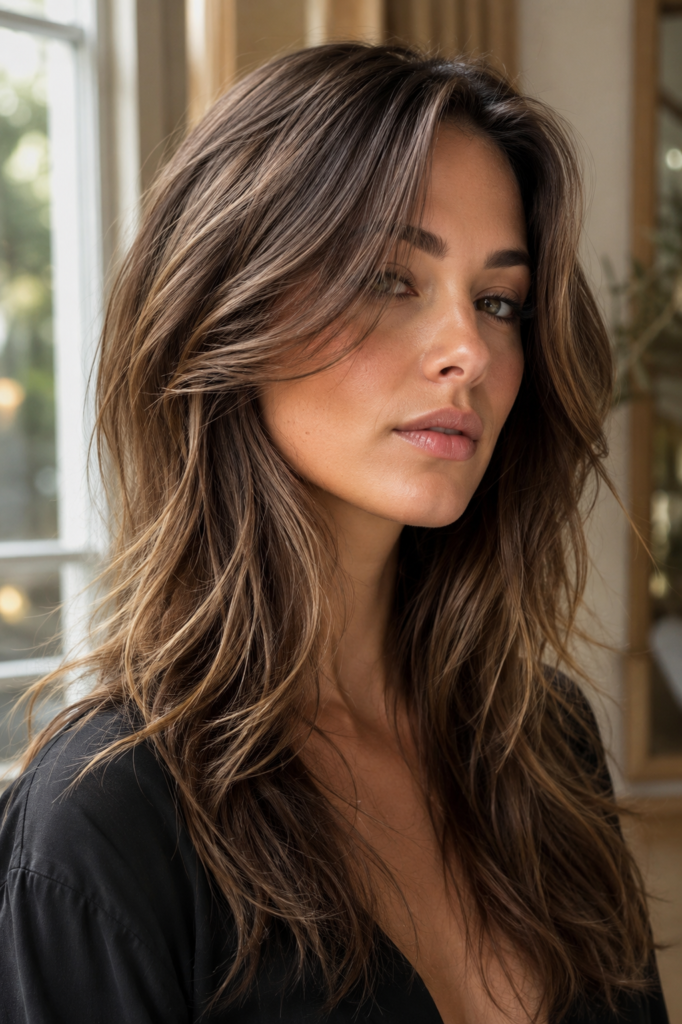
Face-framing layers are shorter pieces of hair strategically cut around the front of the face typically starting near the cheekbone or jawline and blending into the rest of the length. Unlike all-over layering, which adds movement and texture throughout the entire haircut, face-framing layers are localized specifically to the areas that surround and highlight facial features.
The purpose of this technique is to draw the eye toward the face itself, softening harsh angles, adding dimension near the cheekbones, and creating movement that a single, blunt length simply can’t achieve on its own. It’s often described as the haircut equivalent of contouring a subtle addition that changes the overall impression of the face without requiring a dramatic length change.
Because face-framing layers can be added to virtually any existing haircut, they’re one of the most versatile ways to refresh a look without committing to a full restyle.
Why Face-Framing Layers Are Trending in 2026
Several factors are keeping this technique at the top of stylist recommendations this year:
- A continued preference for soft, dimensional haircuts over blunt, one-length styles
- Growing interest in customizable cuts that can be layered onto existing hairstyles rather than requiring a complete overhaul
- Increased demand for styles that photograph well from multiple angles, since face-framing layers add movement that reads clearly in both photos and video
- A shift toward haircuts that work with natural texture rather than requiring heavy daily styling
- Wider recognition that face-framing details can meaningfully change how a haircut suits an individual’s specific features
Stylists have also noted that face-framing layers pair especially well with 2026’s broader trend toward soft, undone texture, since the shorter framing pieces tend to enhance natural wave or curl pattern right where it’s most visible.
Who Do Face-Framing Layers Flatter Most?
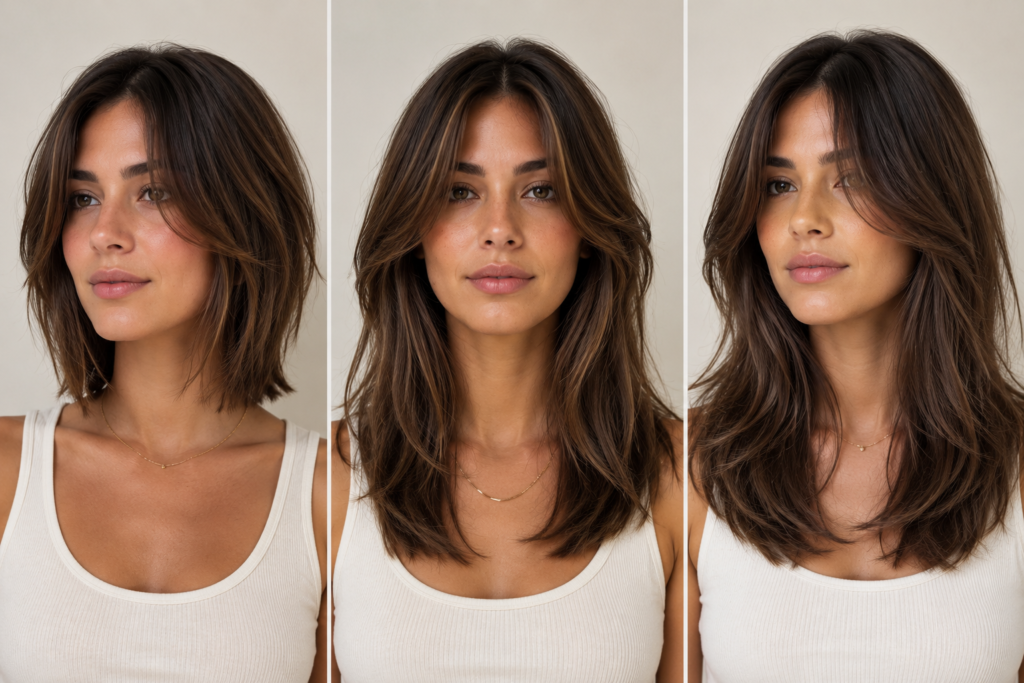
While face-framing layers are genuinely versatile, understanding how they interact with different face shapes helps set realistic expectations for the final result:
Round Faces: Longer face-framing pieces that hit below the chin help elongate the face, while avoiding shorter layers that stop right at the widest part of the cheek.
Square Faces: Softer, slightly shorter layers around the jaw can help break up strong angles, creating a more rounded, softened overall silhouette.
Oval Faces: Nearly any length or intensity of face-framing layer works well here, offering the most flexibility to experiment with different styling options.
Heart-Shaped Faces: Layers that start a bit longer, around the chin or below, help balance a narrower jawline against a wider forehead.
Long Faces: Shorter, chin-length framing pieces can help visually shorten the face by adding width and movement near the cheekbones.
How Face-Framing Layers Work With Different Hair Textures
Hair texture significantly affects how face-framing layers behave and how much daily styling they require.
Straight Hair: Face-framing layers on straight hair show their shape very clearly, which means precision cutting matters enormously; slightly uneven layers are much more noticeable on straight strands.
Wavy Hair: This texture tends to enhance face-framing layers with minimal effort, since natural wave pattern adds movement and softness to the framing pieces without much additional styling.
Curly Hair: Curly face-framing layers require careful attention to shrinkage, since curls contract significantly once dry; stylists experienced with curly hair typically cut these layers with extra length to account for this.
Fine Hair: Face-framing layers can add the illusion of volume and movement to fine hair, though very short, aggressive layering can sometimes make fine hair look thinner rather than fuller if not balanced carefully.
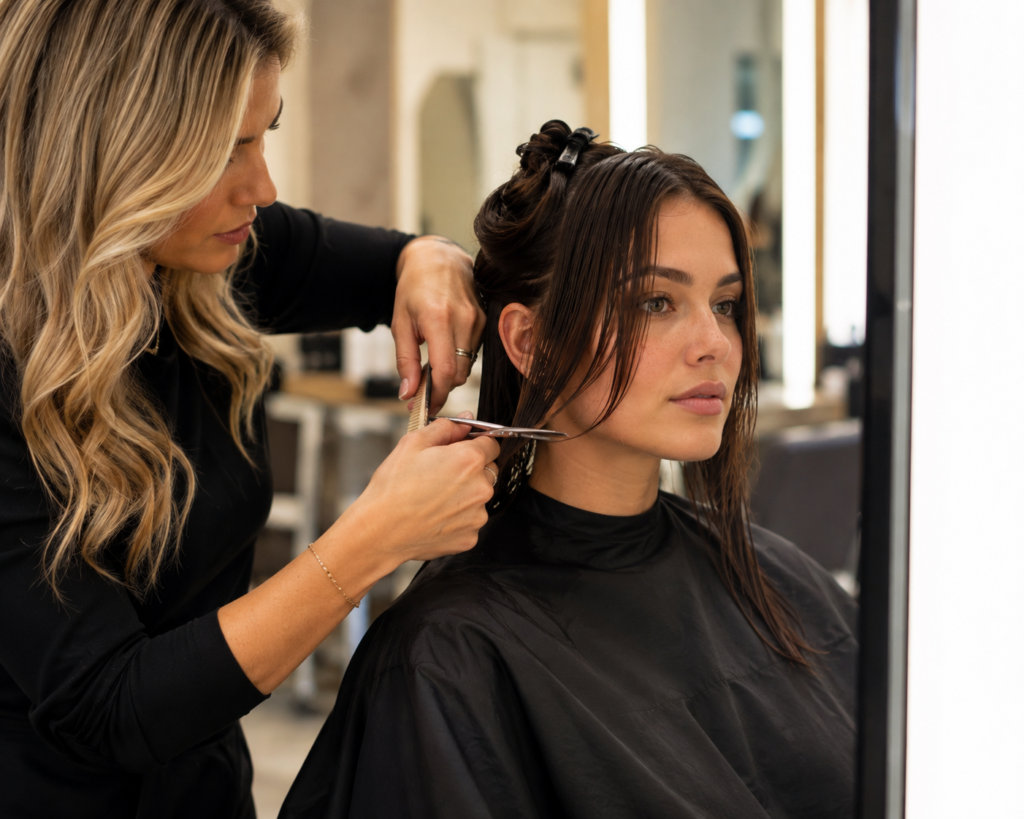
How to Ask for Face-Framing Layers at the Salon
Clear communication is essential to getting a result that actually flatters your specific face shape and features. A few things worth discussing during your consultation:
Starting Length – Whether you want the shortest layer to hit near the cheekbone, jawline, or collarbone significantly changes the overall effect, so a reference photo helps avoid miscommunication.
Intensity of Framing – Some clients want a dramatic, noticeable shorter layer, while others prefer a subtle, barely-there addition; being specific about this helps your stylist calibrate correctly.
Existing Haircut Compatibility – Since face-framing layers are often added to an existing style, discussing how they’ll blend with your current length and layering helps ensure a cohesive final look.
Styling Habits – Being upfront about how much time you spend styling daily helps your stylist choose a framing intensity that matches your realistic maintenance routine.
The Process: How Face-Framing Layers Are Cut
Adding well-executed face-framing layers typically involves a few key steps:
Sectioning – The stylist isolates the front pieces of hair around the face, often working from the temple area down toward the chosen starting length.
Length Determination – Using the client’s face shape and desired intensity as a guide, the stylist marks where the shortest layer will begin.
Point Cutting or Slide Cutting – Rather than a single blunt line, face-framing layers are typically cut with techniques that create soft, textured ends that blend naturally into the surrounding hair.
Blending Into the Rest of the Cut – The framing pieces are carefully blended so there’s no abrupt, disconnected line between them and the rest of the haircut.
Styling Demonstration – A good stylist will typically show how to style the new layers, whether with a round brush, a curling iron, or simple finger-styling techniques.
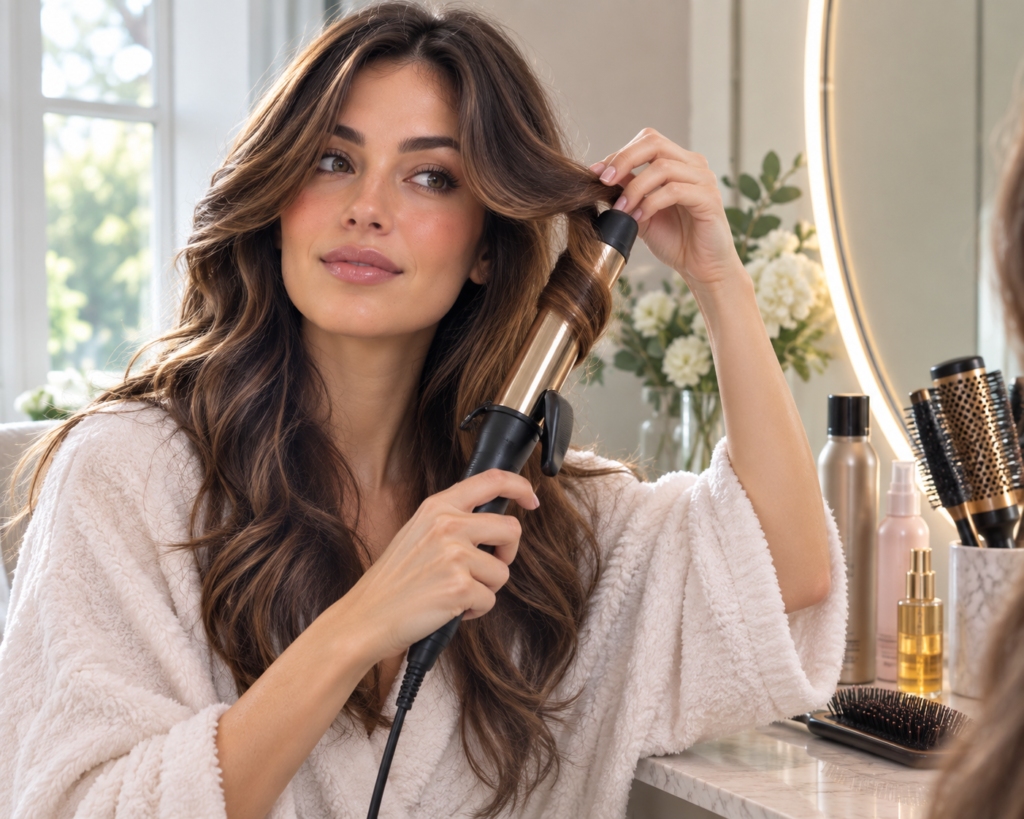
Styling and Maintaining Face-Framing Layers
Face-framing layers are relatively low-maintenance, but a few habits help keep them looking intentional:
Use a round brush or curling iron for extra movement. This helps the shorter pieces curve toward the face rather than sitting flat or pointing away from it.
Apply a lightweight styling cream to define pieces without heaviness. This helps the layers hold their shape and catch light nicely without looking greasy or overly styled.
Get trims every 6-8 weeks. Because face-framing layers are meant to hit a specific point relative to your features, regular trims help maintain that precise, flattering length.
Use a heat protectant with any hot tool styling. Since these pieces are often styled more frequently than the rest of the hair, they’re more prone to heat damage over time.
Consider air-drying with product for a no-heat option. Applying a curl cream or texturizing spray to damp face-framing pieces and allowing them to air-dry can create soft, natural movement without any heat styling at all.
How Much Do Face-Framing Layers Cost?
Pricing typically depends on whether they’re added during a full haircut or as a standalone adjustment:
- Adding face-framing layers to an existing cut: $30-$70
- Face-framing layers as part of a full haircut: $50-$120
- Face-framing layers combined with a more involved restyle: $100-$200+
Since these layers require occasional trims to maintain their precise length, it’s worth asking your salon about quick maintenance trim pricing between full haircuts.
Common Mistakes to Avoid
Based on years of seeing face-framing layers done well and occasionally missing the mark, here are the most frequent issues:
Cutting them too short for the face shape – Layers that stop at exactly the widest part of a round or square face can sometimes emphasize width rather than softening it.
Not accounting for natural texture – Wavy and curly hair need different length calculations than straight hair to achieve the same visual effect once styled.
Skipping the blending step – Face-framing layers that aren’t properly blended into the surrounding length can look like an obviously separate section rather than a cohesive part of the cut.
Choosing intensity without discussing styling habits – A dramatic, short face-framing layer that requires daily styling can become frustrating for clients who prefer low-maintenance hair.
DIY trimming at home – Attempting to trim or add face-framing layers without proper technique often results in uneven length or an accidental blunt line that disrupts the soft, graduated effect.
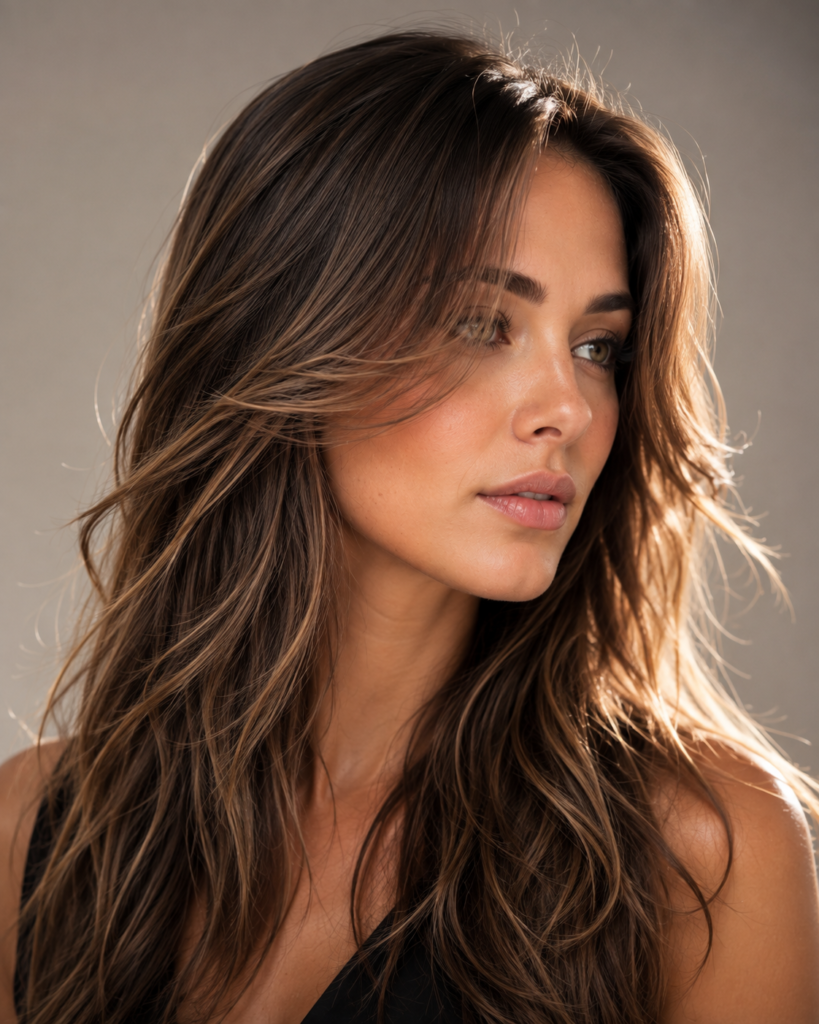
Final Thoughts
Face-framing layers remain one of the most quietly transformative haircut details because they work with your unique features rather than imposing a generic shape onto your hair. Their adaptability across face shapes, textures, and existing haircuts explains why they continue to be one of the most frequently requested styling adjustments, year after year.
If you’re considering face-framing layers in 2026, bring clear reference photos to your consultation, be specific about your desired intensity and styling habits, and commit to regular trims to keep them looking as intentional and flattering as the day they were cut.
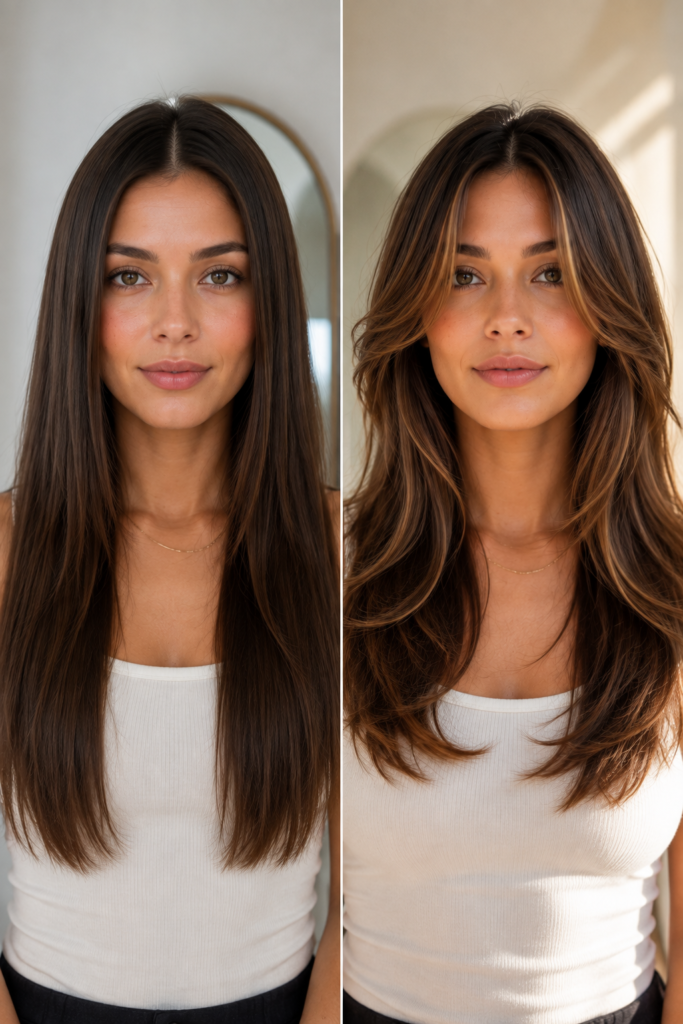
Frequently Asked Questions (FAQ)
Q1: Do face-framing layers work on all hair lengths? Yes, they can be added to short bobs, medium lengths, and long hair alike, with the specific starting point adjusted to suit the overall length.
Q2: How often do face-framing layers need to be trimmed? Most people need a trim every 6-8 weeks to maintain the precise, flattering length relative to their features.
Q3: Can I add face-framing layers to my current haircut without a full restyle? Yes, this is one of the most common ways face-framing layers are requested, since they can typically be blended into an existing cut without changing the overall length or style.
Q4: Are face-framing layers high-maintenance to style daily? They can be styled minimally or more elaborately depending on the look you want, but they generally require less daily effort than a full head of heavy layering.
Q5: Will face-framing layers work with curly hair? Yes, though it’s important to work with a stylist experienced in cutting curly hair, since curls require extra length to account for shrinkage once dry.
Q6: Can face-framing layers be added to bangs as well? Yes, many stylists combine face-framing layers with curtain bangs or side-swept fringe for an even softer, more dimensional overall effect around the face.
Q7: Do face-framing layers work well with colored or highlighted hair? Yes, and they often enhance dimensional color even further, since the shorter, framing pieces catch light differently than the rest of the hair, adding extra visual movement to highlights or balayage.