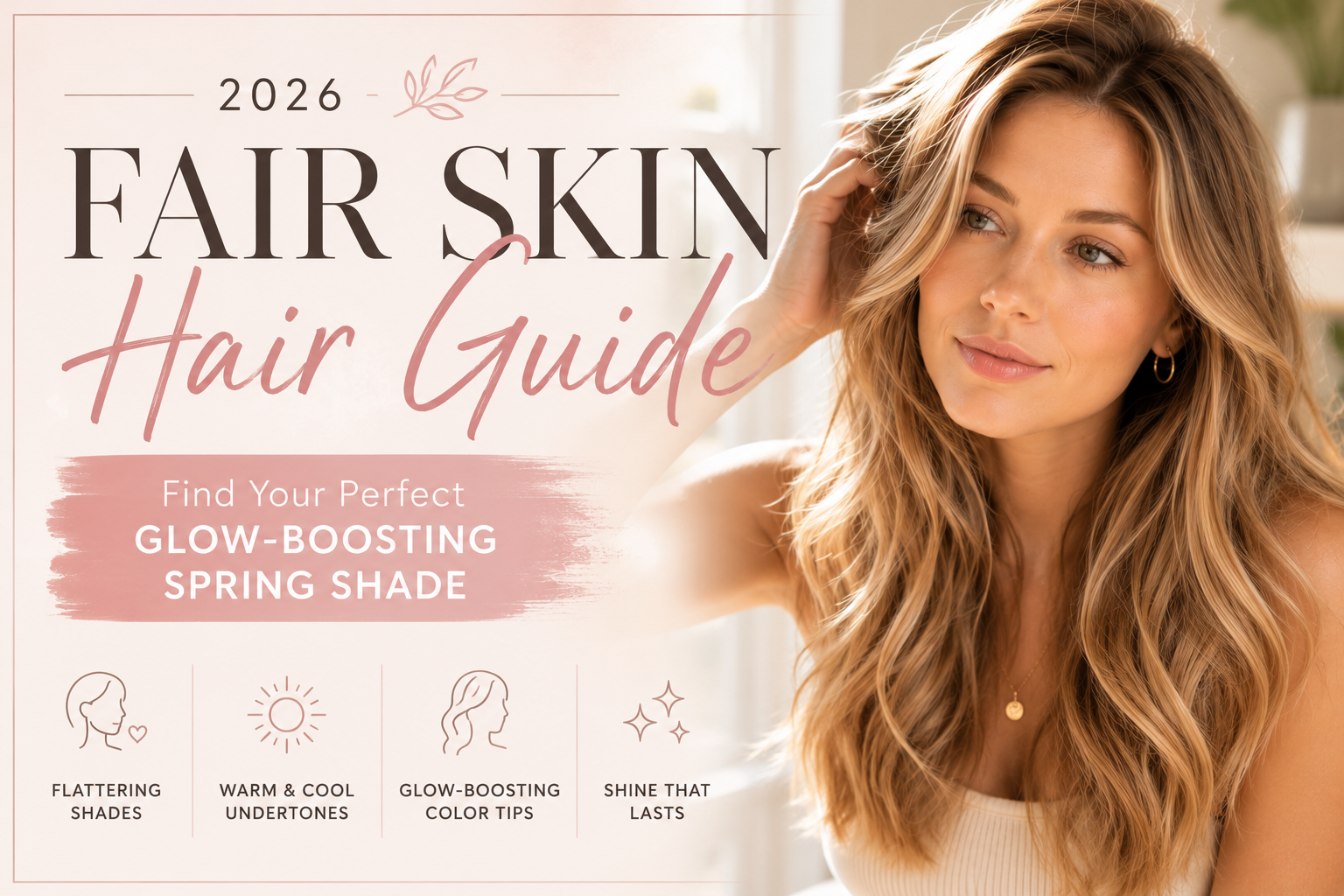
Discover the best spring hair color shades for fair skin in 2026 cool and warm undertone matches that brighten your complexion naturally.
Spring has a way of making every hair color you wore all winter suddenly feel a little heavy, and this is especially true if you have fair skin. After years of working with fair-skinned clients navigating this exact seasonal shift, I’ve learned that the right spring shade isn’t necessarily about going lighter it’s about finding the tone that makes your complexion glow rather than wash out.
This guide walks through everything you need to know about choosing spring hair color for fair skin in 2026: which undertones actually flatter light complexions, which shades to approach with caution, and how to talk to your colorist about getting a result that feels fresh without looking harsh against your skin.
One thing I always tell fair-skinned clients is that “fair skin” isn’t one single category when it comes to hair color. Someone with fair, cool-toned skin and someone with fair, warm-toned skin can have completely different ideal shade ranges, even though they’d both technically be described as fair. Understanding your specific undertone is the single most useful piece of information you can walk into a spring color consultation with.
Why Fair Skin Needs a Different Approach to Hair Color
Fair skin tends to have less natural pigment overall, which means hair color reads more prominently and has a stronger visual effect on how the complexion appears. A shade that would blend in more subtly on medium or deep skin can look either strikingly beautiful or unintentionally washed-out on fair skin, depending on how well it’s matched to undertone.
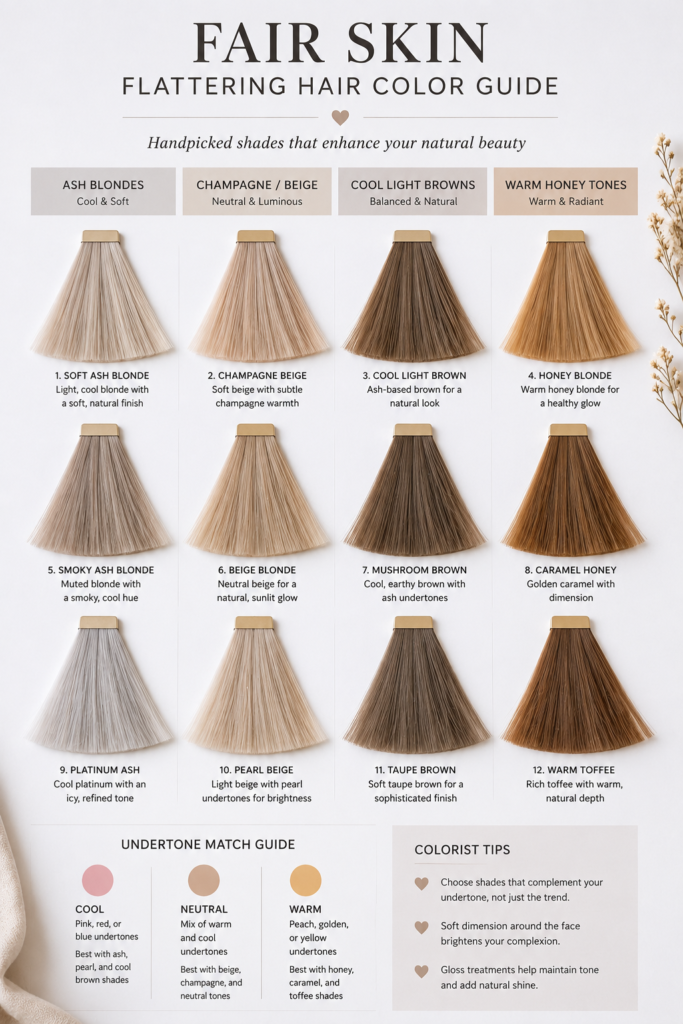
This is why colorists pay particularly close attention to undertone when working with fair-skinned clients. Cool-toned fair skin generally has pink, red, or blue undertones, while warm-toned fair skin leans yellow, peachy, or golden. Neutral fair skin has a balanced mix of both, which actually offers the most flexibility when choosing a shade.
Spring specifically adds another layer to this equation, since natural light becomes brighter and more direct compared to winter, which can make certain hair colors look different than they did just a few months earlier under duller, indoor-heavy lighting.
Why Spring Hair Color for Fair Skin Is Trending in 2026
Several factors are shaping this year’s approach to spring color for fair-skinned clients:
- A move toward soft, luminous neutrals rather than stark platinum or overly warm gold
- Growing appreciation for shades that “glow” rather than simply lighten
- Increased colorist attention to matching undertone precisely rather than defaulting to generic blonde or brunette formulas
- A shift toward dimensional color, even on lighter bases, to avoid the flat, one-tone look that can read as dull on fair skin
- More natural, sun-kissed placement techniques replacing harsh, uniform color blocks
Colorists have also noted that fair-skinned clients are increasingly requesting subtlety this year enhancing their natural coloring rather than dramatically overhauling it, which fits neatly into the broader “your hair but better” movement shaping 2026’s biggest color trends.
Best Shades for Cool-Toned Fair Skin
If your fair skin has pink, red, or blue undertones, certain shades will feel especially harmonious this spring:
Ash Blonde: A cool, muted blonde that avoids brassiness and complements the pink undertones in cool fair skin beautifully.
Cool Light Brown: Soft, neutral-toned brown without heavy gold or red pigment tends to read as polished and fresh against cool complexions.
Icy Beige Blonde: A gentle, low-warmth blonde that brightens the face without introducing the golden tones that can sometimes clash with cool undertones.
Soft Rose or Cool-Toned Highlights: For those wanting a bit of playful dimension, subtle cool-toned face-framing pieces can brighten the complexion without overwhelming it.
Best Shades for Warm-Toned Fair Skin
If your fair skin leans yellow, peachy, or golden, these shades tend to be especially flattering this season:
Honey Blonde: A warm, golden shade that enhances the natural glow of warm fair skin rather than competing with it.
Caramel or Light Golden Brown: These rich, warm tones bring out warmth in the complexion and photograph beautifully in spring’s brighter natural light.
Strawberry Blonde: The soft golden-red warmth of this shade pairs particularly well with warm undertones and fair skin featuring pink or peachy undertones in the cheeks.
Warm Copper Highlights: Subtle copper-toned pieces can add brightness and warmth without requiring a full color change.
Shades to Approach With Caution on Fair Skin
Not every trending shade works equally well on fair skin, and a few require extra care in formulation:
Very Dark, Flat Black: This can create a stark contrast that sometimes overwhelms fair skin rather than complementing it, though it can work beautifully with the right undertone matching and softer placement around the face.
Overly Brassy Gold: Without proper toning, warm blonde shades can shift toward an orange-gold cast that clashes with cool undertones specifically.
Extremely Pale Platinum: While striking, very icy platinum can sometimes make fair skin look even paler if not balanced carefully with the right eyebrow and makeup coordination.
A skilled colorist will adjust the exact formula and depth of any of these shades to make them work for your specific undertone, rather than avoiding them altogether it’s about the right execution, not eliminating entire color families.
The Process: Getting Spring Color Right on Fair Skin
Achieving a genuinely flattering result for fair skin typically involves a few extra considerations during the color process:
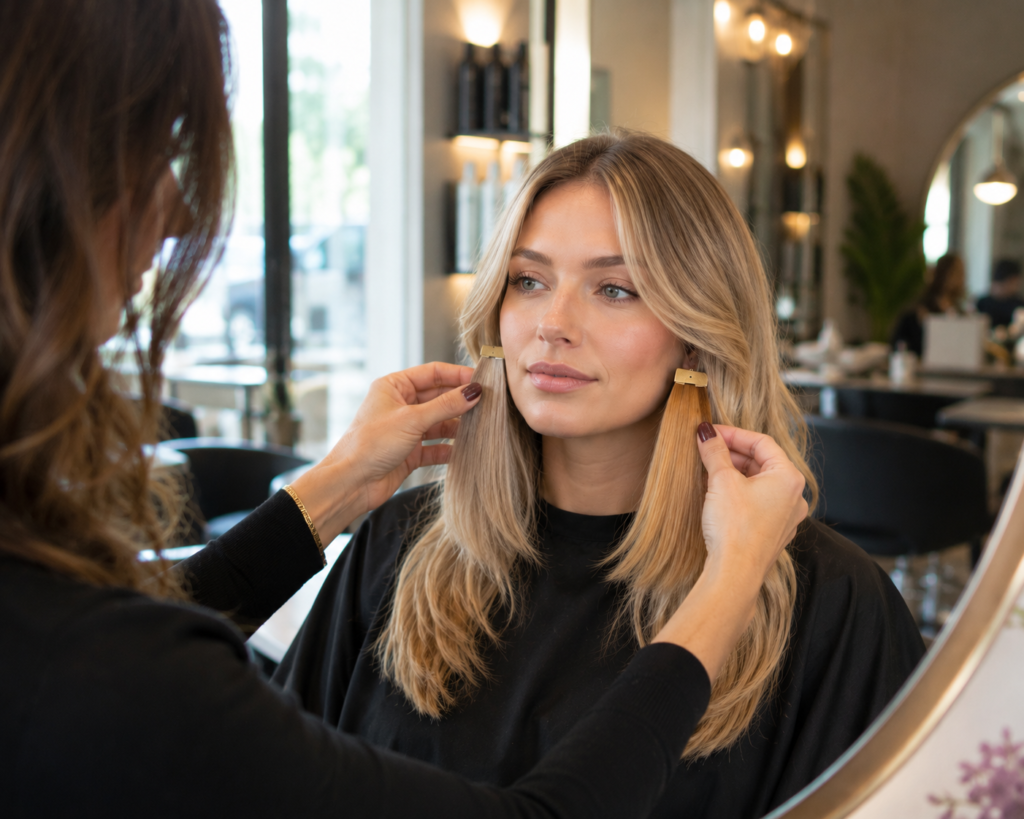
Undertone Assessment – A thorough consultation includes examining your skin’s undertone in natural light, not just under salon lighting, since artificial light can shift how undertones appear.
Strand Testing – Especially important for fair-skinned clients trying a new shade family, since even subtle formula differences can significantly change how a color reads against light skin.
Dimensional Placement – Rather than flat, all-over color, many colorists recommend subtle highlights or lowlights even on lighter bases, since dimension helps avoid the flat, washed-out look that can occur with single-process color on fair skin.
Careful Toning – Toner is used not just to prevent brassiness but to fine-tune exactly how warm or cool the final shade reads against your specific complexion.
Maintaining Spring Color on Fair Skin
Because fair skin makes hair color read so prominently, keeping your shade fresh and well-toned matters even more than usual:
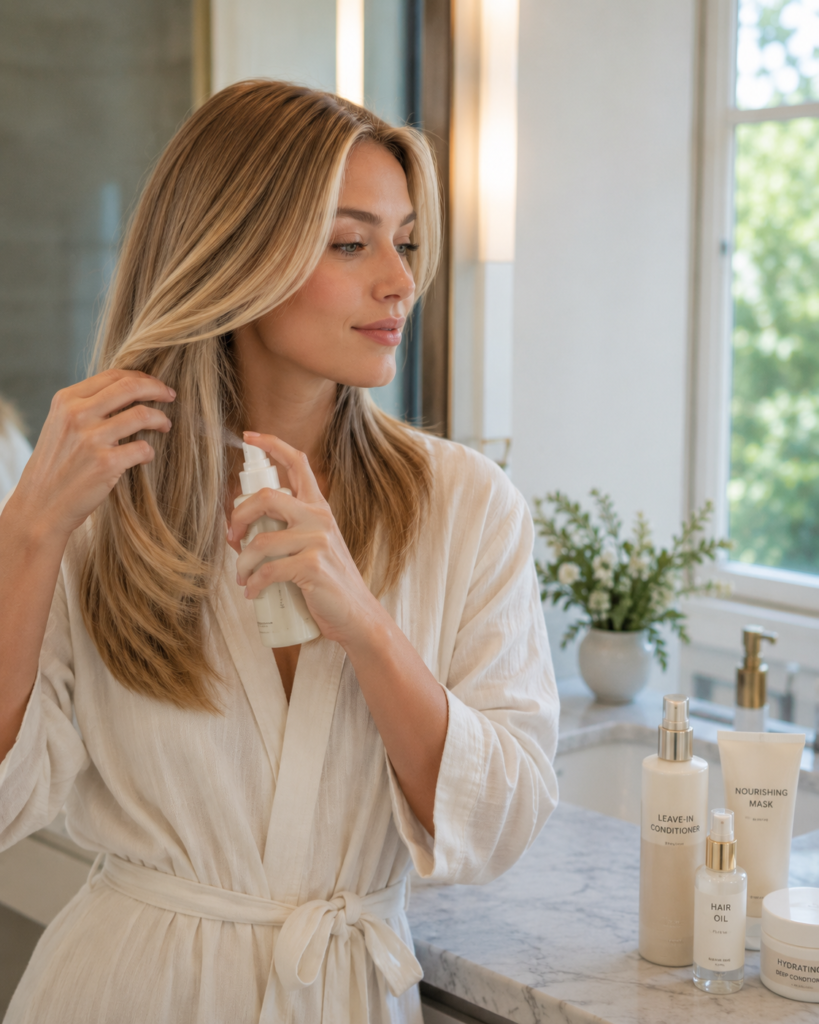
Use color-safe shampoo matched to your tone. Purple shampoo for cool blondes, or a warmth-preserving formula for golden shades, helps maintain the exact balance your colorist created.
Refresh toner regularly. Since even small shifts in warmth or coolness are more visible against fair skin, a toning refresh every 6-8 weeks helps keep the shade looking intentional.
Protect hair from spring sun. As days get brighter, UV exposure increases, which can shift color unevenly; a leave-in UV protectant helps maintain consistency.
Deep condition weekly. Lightened or color-treated hair benefits from consistent moisture to keep it looking glossy and healthy against fair skin, where dull or dry-looking hair can be especially noticeable.
How Much Does Spring Color for Fair Skin Typically Cost?
Pricing depends on the specific shade and technique chosen:
- Toning/gloss refresh: $70-$150
- Partial highlights or balayage with undertone matching: $150-$300
- Full color transformation with dimensional placement: $200-$450+
Because undertone matching requires a more careful, sometimes iterative process, it’s worth prioritizing a colorist experienced in working with fair skin tones specifically, rather than choosing based on price alone.
Common Mistakes to Avoid
Based on years of seeing spring color transformations succeed and occasionally miss the mark on fair skin, here are the most frequent pitfalls:
Skipping undertone assessment – Choosing a shade purely from a photo without considering your own undertone is one of the most common reasons for disappointing results.
Going flat instead of dimensional – Single-process, all-over color can look duller against fair skin than a softly dimensional result using highlights or lowlights.
Not accounting for natural spring light – A color that looks great under salon lighting can read differently in bright, direct spring sunlight, so it’s worth stepping outside to check the result before you leave the salon.
Ignoring eyebrow and makeup coordination – A dramatic hair color shift without any adjustment to brow color or makeup warmth can sometimes look disjointed on fair skin specifically.
DIY box dye without undertone consideration – At-home dye kits are formulated generically and often don’t account for the undertone nuance that fair skin requires to look flattering rather than washed out.
Talking to Your Colorist About Fair Skin and Spring Color
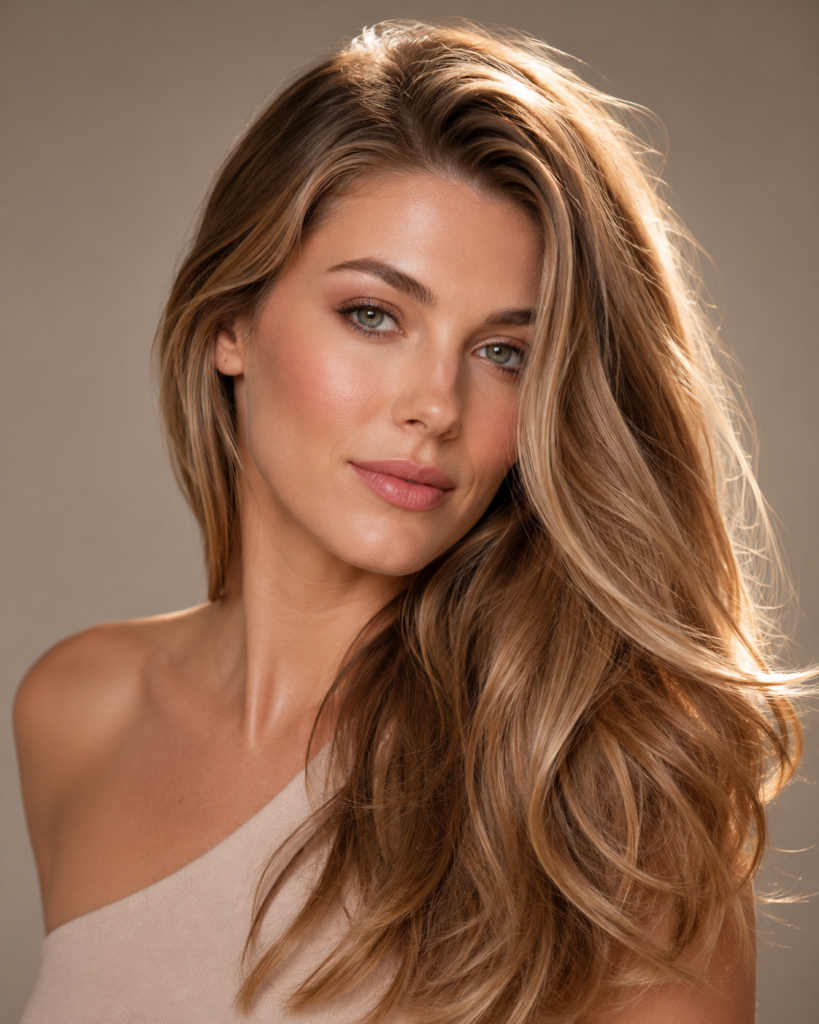
A productive consultation starts with being upfront about how your current color has looked in different lighting and seasons. Mention if you’ve noticed certain shades making your skin look sallow or your eyes less vibrant, since this kind of feedback helps your colorist steer clear of formulas likely to repeat that effect.
It’s also worth bringing photos of yourself in natural daylight, not just studio or filtered images, since this gives your colorist the most accurate sense of how your skin actually reads in real-world lighting which is ultimately the lighting your new color needs to work in most of the time.
Final Thoughts
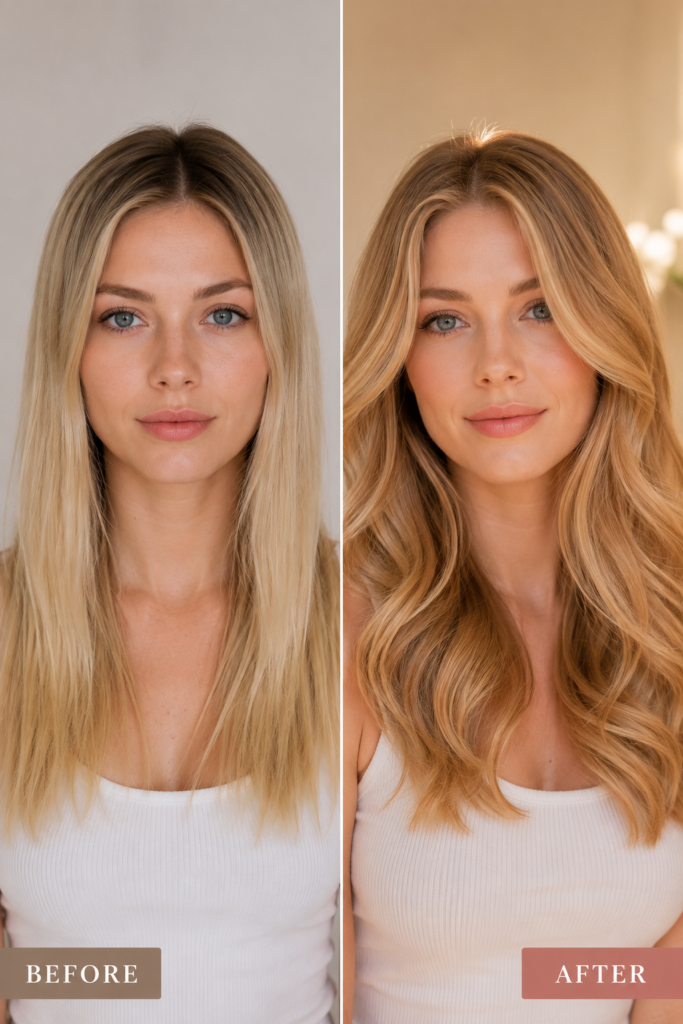
Spring hair color for fair skin isn’t about following a single trending shade it’s about finding the specific tone within any given shade family that harmonizes with your unique undertone. Cool fair skin and warm fair skin each have their own flattering ranges, and understanding which category you fall into makes all the difference in how radiant your spring color ends up looking.
If you’re planning a spring refresh in 2026, prioritize an undertone-focused consultation, ask to see your new color in natural light before leaving the salon, and choose a colorist who takes the time to understand how your specific complexion interacts with color rather than applying a one-size-fits-all formula.
Frequently Asked Questions (FAQ)
Q1: How do I know if my fair skin has warm or cool undertones? Checking the veins on your wrist can help blue or purple veins often indicate cool undertones, while green veins often indicate warm undertones, though a colorist consultation gives the most accurate assessment.
Q2: Does fair skin limit which hair colors I can wear? Not at all it simply means the specific formula and depth need to be matched carefully to your undertone rather than avoiding entire color families.
Q3: Will spring sunlight change how my hair color looks? Yes, brighter, more direct natural light can make certain tones appear warmer or cooler than they did under salon or indoor lighting, which is why checking your color outdoors before leaving the salon is a good habit.
Q4: Is dark hair color still flattering on fair skin? Yes, particularly when softened with face-framing pieces or subtle warmth, since a stark, flat dark color is more likely to overwhelm fair skin than a dimensional dark shade.
Q5: How often should I refresh my toner if I have fair skin? Roughly every 6-8 weeks, since even small tonal shifts tend to be more visible against fair skin than against medium or deep complexions.
Q6: Can fair-skinned redheads still explore other spring colors? Absolutely many natural redheads have fair, cool-toned skin that also flatters ash blonde or cool brunette shades, so it’s worth discussing options beyond red with your colorist if you’re craving a change.
Q7: Does hair color affect how makeup should be worn on fair skin? It can shifting to a noticeably warmer or cooler hair shade sometimes benefits from a corresponding adjustment in makeup tone, since hair color, skin undertone, and makeup work together to create a cohesive overall look.