Discover natural hair color for 2026 how colorists create subtle, believable dimension and how to maintain that effortless, low-maintenance look.
Natural hair color has become the defining request of 2026 not natural in the sense of avoiding color altogether, but natural in the sense of color that looks like it could plausibly have grown that way. After years of working with clients who bring in photos captioned “I just want my hair but better,” I’ve come to see natural hair color as less of a trend and more of a permanent shift in how people want to experience color: enhancing what’s already there rather than replacing it entirely.
This guide breaks down everything you need to know about natural hair color in 2026: what actually makes color read as “natural,” how colorists achieve that believable effect, and how to maintain it so it keeps looking effortless rather than obviously touched-up.
Something I always explain to clients is that natural-looking color is often more technically demanding than obviously dramatic color, not less. Achieving a flat, uniform, high-contrast look is relatively straightforward. Recreating the subtle, multi-tonal variation of genuinely natural hair requires a much more nuanced formulation and placement approach, which is exactly why “natural hair color” has become such a specialized skill set among colorists.
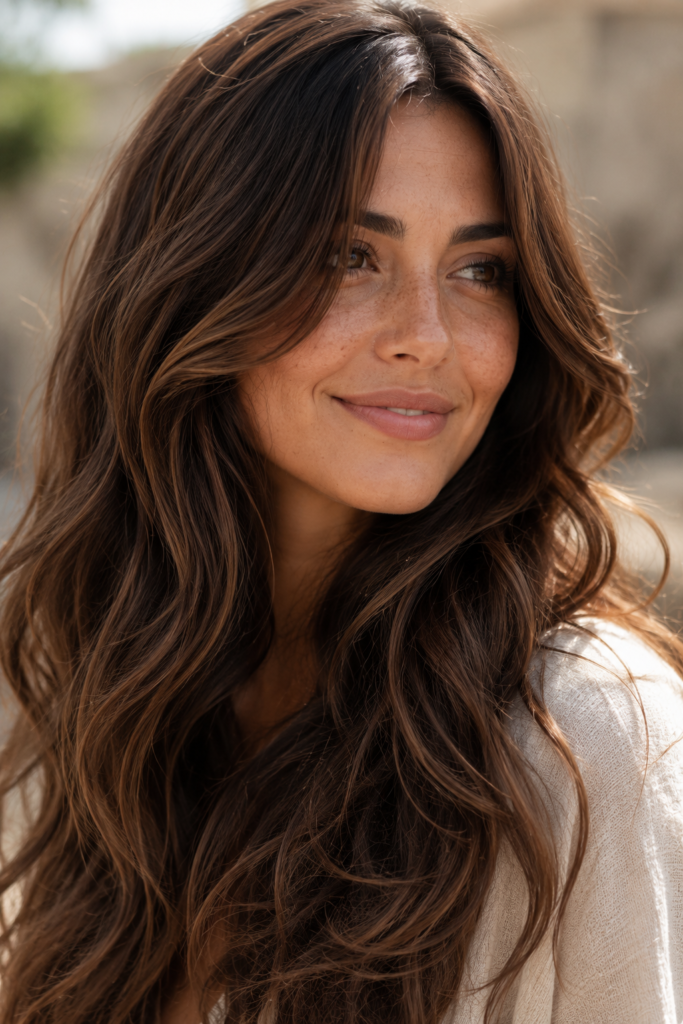
What Actually Makes Hair Color Look “Natural”?
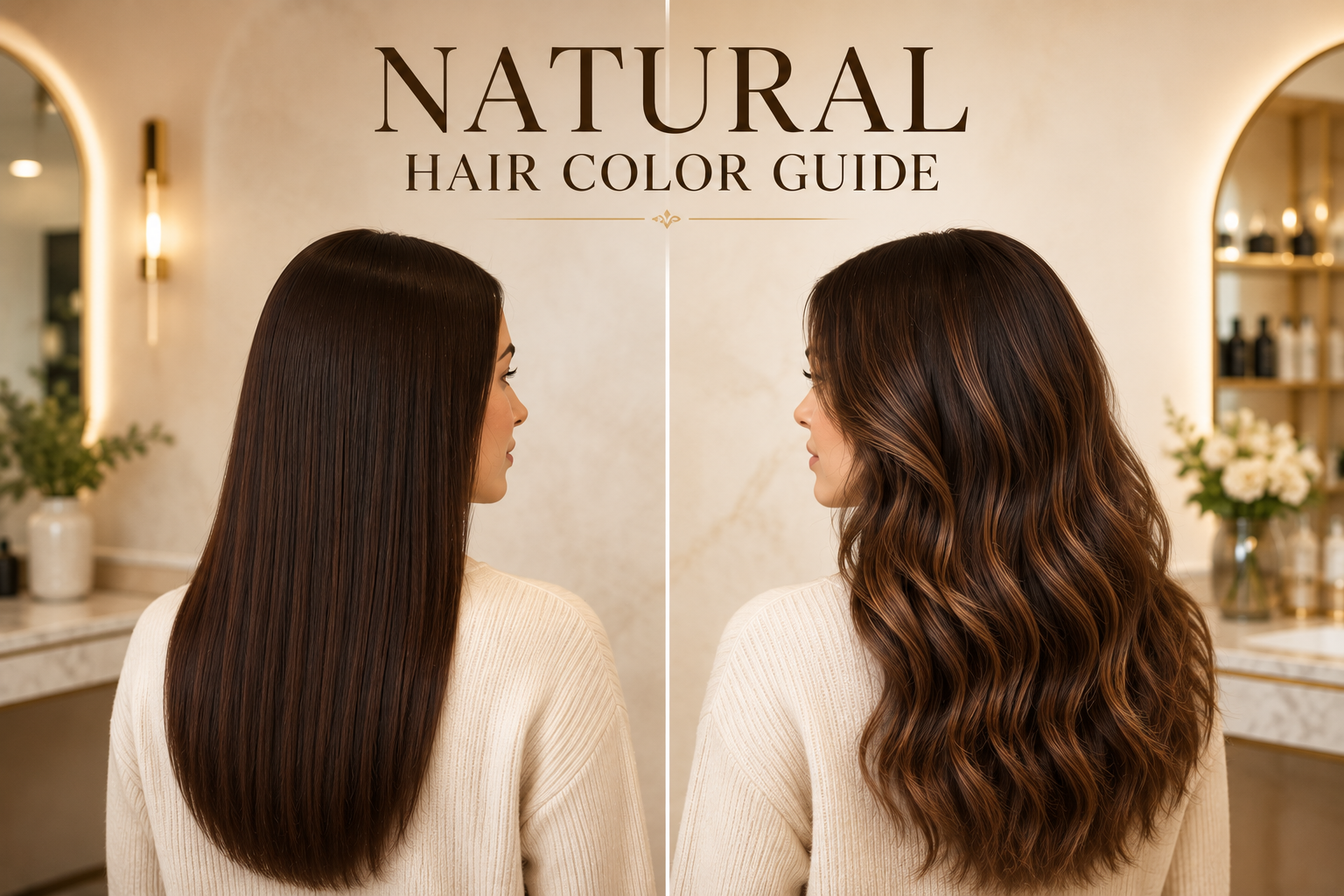
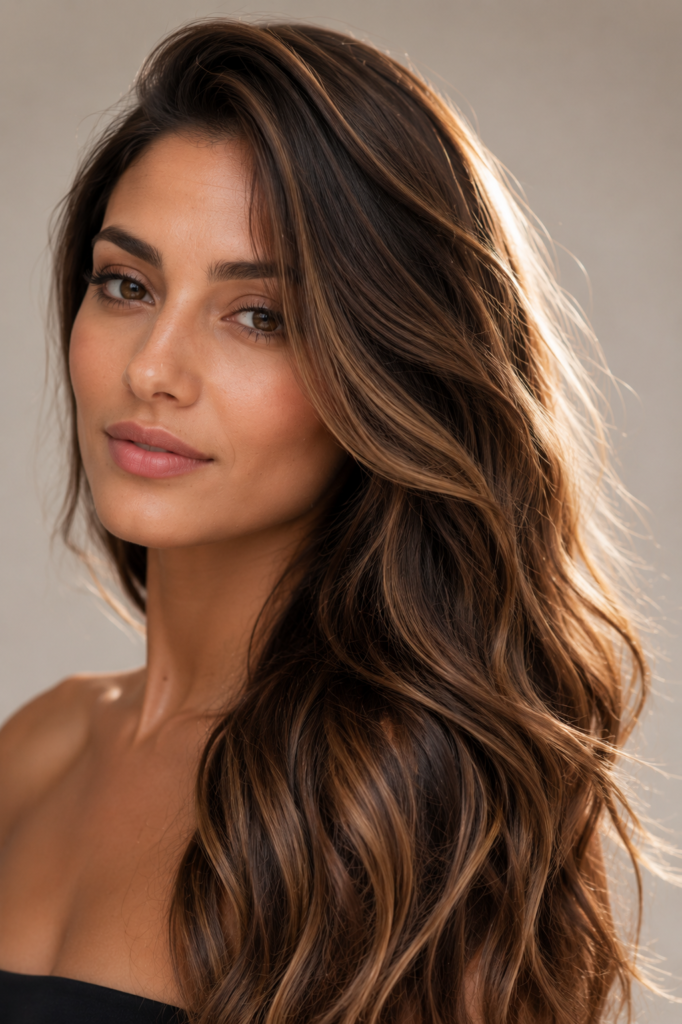
Natural hair color isn’t about staying close to your exact current shade it’s about mimicking the subtle tonal variation that occurs in genuinely undyed hair. Real, non-colored hair is never a single flat tone; it contains slight variations caused by sun exposure, hair thickness, and even individual strand pigmentation.
Colorists recreate this effect by blending multiple closely related tones rather than applying one uniform color throughout. This might mean combining two or three shades of brown, using low-contrast lowlights and highlights together, or applying color in an irregular, organic pattern rather than a rigid, uniform one.
The goal isn’t to avoid color it’s to use color intentionally to replicate a look that appears entirely uncolored, which is a subtle but important distinction that shapes every part of how a natural color service is formulated and applied.
Why Natural Hair Color Is Trending in 2026
Several cultural and practical factors are fueling this continued shift toward natural-looking color:
- A broader move away from high-contrast, obviously processed color that dominated previous years
- Growing preference for “your hair but better” results that enhance rather than mask natural coloring
- Increased demand for low-maintenance color that grows out without an obvious line of demarcation
- A rise in unfiltered, everyday social content, which favors color that looks good in real-world lighting rather than only under studio conditions
- More colorists specializing in soft, custom color-blending techniques rather than standard, off-the-shelf formulas
This shift also reflects a broader “quiet luxury” sensibility that has extended into beauty overall, where the goal is to look effortlessly put-together rather than visibly, dramatically styled or colored.
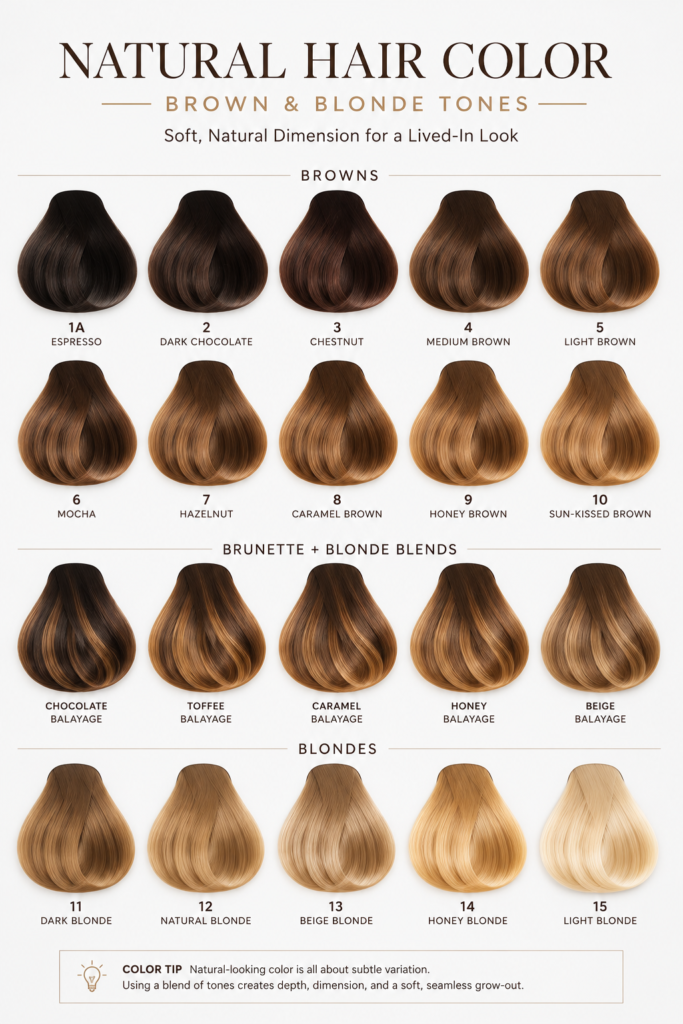
Natural Hair Color and the Seasons
Natural hair color tends to shift subtly with the seasons in a way that mirrors how undyed hair naturally changes throughout the year. Many colorists lean toward slightly warmer, sun-kissed variations in spring and summer, echoing the way natural hair lightens gradually from real sun exposure.
In fall and winter, colorists often deepen the overall tone slightly, adding richer lowlights or reducing the brightness of any lighter pieces to reflect how hair naturally appears less sun-affected during months with less daylight exposure. This kind of seasonal recalibration helps natural color continue to feel believable and current throughout the year, rather than staying static regardless of season.
How Natural Hair Color Interacts With Hair Texture
Texture plays a significant role in how convincingly natural-looking color reads. Straight hair shows tonal variation very clearly, since light travels evenly down each strand, meaning colorists often use finer, more closely blended placement to avoid the variation looking too structured or deliberate.
Wavy and curly hair naturally create their own light-and-shadow patterns, which can actually make natural color blending easier to achieve convincingly, since the hair’s movement already mimics some of the tonal variation colorists are trying to recreate. Curl and wave patterns tend to disguise the “seams” between blended tones more effectively than poker-straight hair does.
Regardless of texture, natural color techniques generally rely on soft transitions and closely related tones rather than sharp contrast, which is part of why they tend to be more forgiving and lower-maintenance across nearly every hair type.
Who Should Consider Natural Hair Color?
Natural hair color techniques work well across a wide range of goals and starting points:
Those Wanting Subtle Enhancement: If you like your current color but feel it looks flat or one-dimensional, natural color techniques can add richness without changing your overall look dramatically.
Clients Growing Out Previous Bold Color: Natural color blending is often used to soften the transition away from vivid or heavily processed color, easing hair back toward a believable, low-maintenance shade.
Those Blending Early Gray: Natural-looking lowlights and soft highlights are among the most effective techniques for blending gray hair convincingly, since they mimic the tonal variation of genuinely non-gray hair.
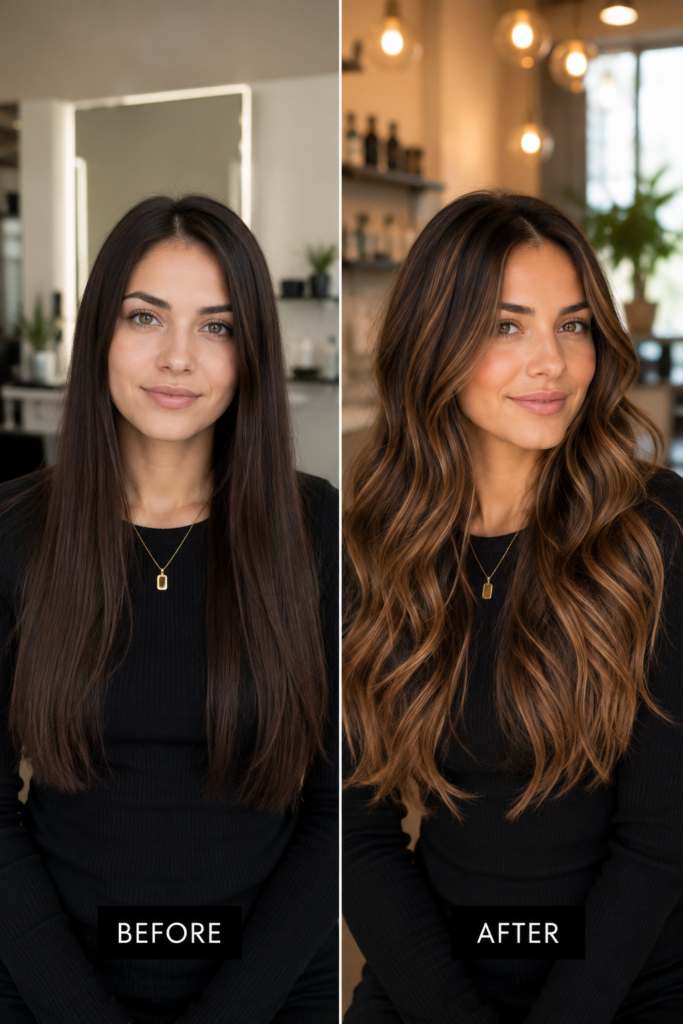
People New to Hair Color: For those hesitant about dramatic change, natural color techniques offer a low-risk way to experience the benefits of professional color without a stark before-and-after contrast.
The Process: How Natural Hair Color Is Achieved
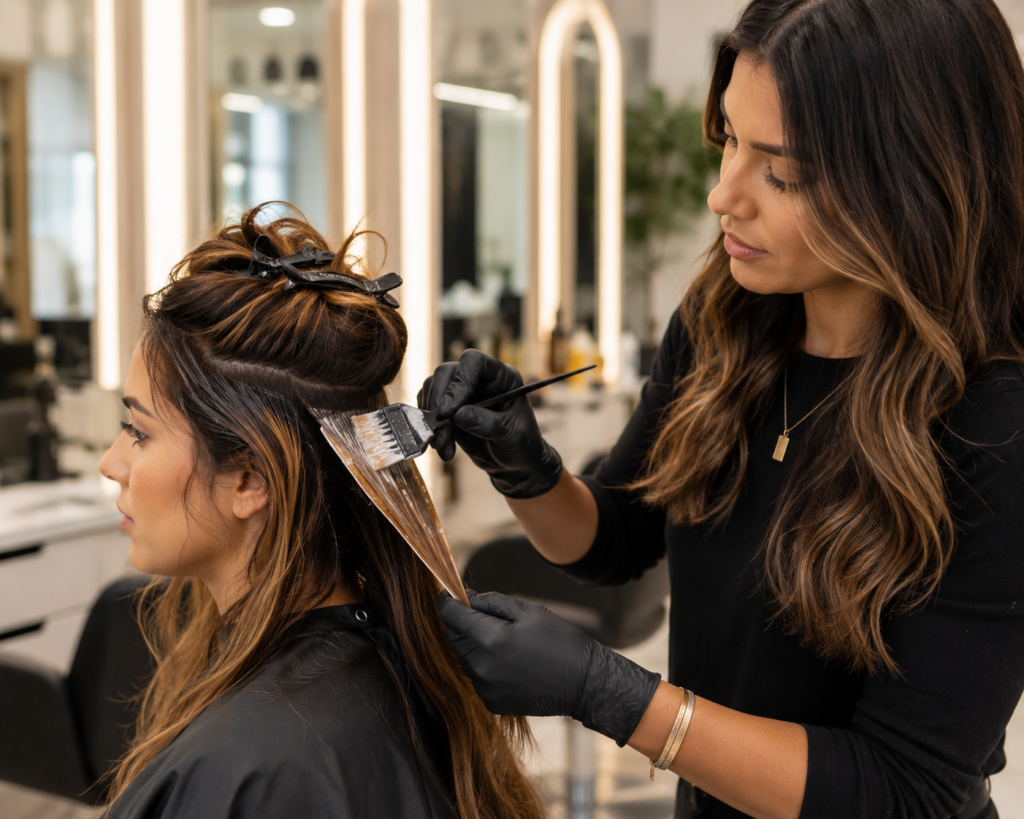
Creating believable natural hair color typically involves a more nuanced process than standard single-process color:
Color Mapping – Colorists assess your natural variation, face shape, and hair growth pattern to plan where subtle lighter and darker pieces will be most flattering and believable.
Multi-Tonal Formulation – Rather than one flat formula, colorists often mix two or three closely related shades to recreate natural variation.
Soft Placement Techniques – Techniques like babylights, soft balayage, or subtle lowlights are used to introduce dimension without harsh contrast.
Toning for Cohesion – A final gloss or toner blends all the elements together, ensuring the various tones look cohesive rather than disconnected.
Because this process relies so heavily on nuanced color theory and a keen eye for subtlety, natural hair color is often considered one of the more skill-intensive services a colorist can offer, even though the end result looks understated.
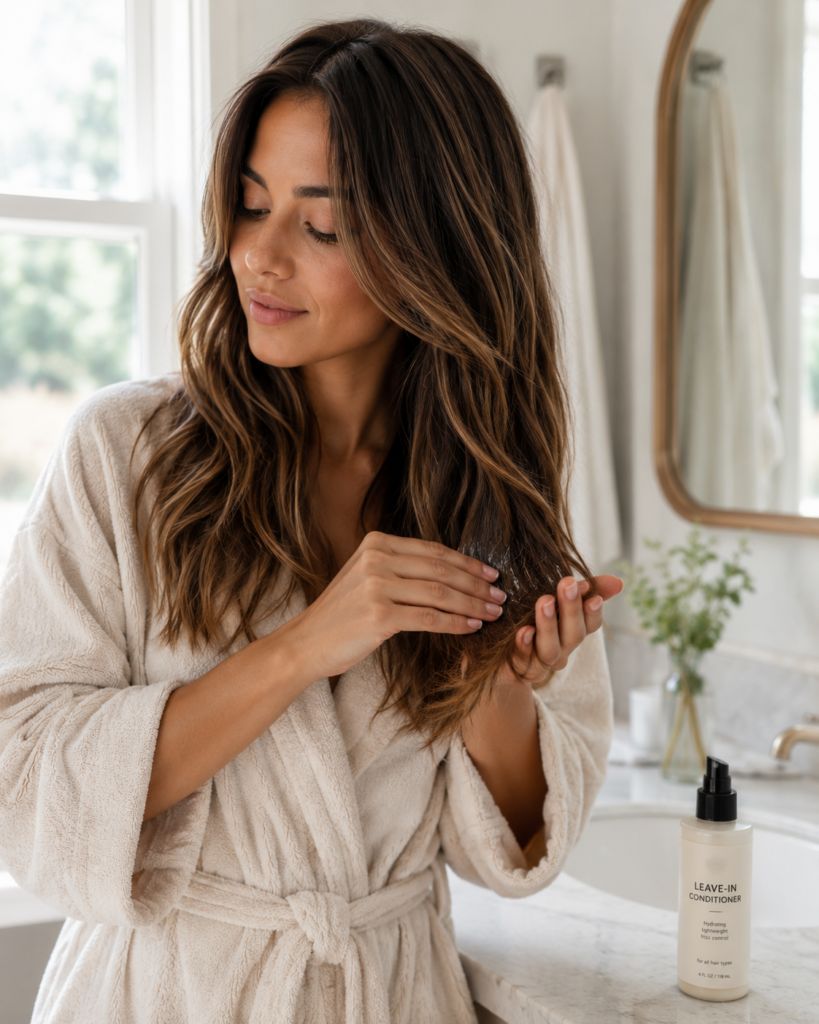
Maintaining Natural Hair Color
One of the biggest advantages of natural hair color is its low-maintenance nature, but a few habits help keep it looking its best:
Use color-safe, sulfate-free shampoo. This helps preserve the subtle tonal blending that makes natural color look believable.
Deep condition regularly. Even subtle color work can involve some lightening, so consistent moisture helps maintain shine and softness.
Refresh with a gloss periodically. A toning gloss every 8-10 weeks helps keep the various blended tones looking cohesive and prevents any one tone from fading faster than the others.
Limit heat styling. Excessive heat can dull the subtle variation that makes natural color look dimensional, so a heat protectant is still worthwhile even with lower-maintenance color.
Get regular trims. Since natural color often relies on soft, graduated placement, trims every 8-10 weeks help keep the overall effect looking polished and intentional.
How Much Does Natural Hair Color Cost?
Pricing for natural hair color techniques varies based on the specific method used and the amount of blending required:
- Subtle gloss or single-process natural enhancement: $70-$150
- Soft balayage or babylights: $150-$300
- Full natural color mapping with multiple tones: $200-$450+
Because natural color relies so heavily on a colorist’s eye for subtlety, it’s often worth prioritizing experience and portfolio quality over the lowest available price, since poorly executed “natural” color can end up looking either too flat or unintentionally patchy.
Common Mistakes to Avoid
Based on years of seeing natural color transformations succeed and occasionally miss the mark, here are the most frequent pitfalls:
Choosing too much contrast – Natural color relies on subtlety; overly dramatic pieces can undercut the believable, effortless effect the technique is meant to achieve.
Skipping a color mapping consultation – Where lighter and darker pieces are placed matters enormously for how natural the final result looks; skipping this planning step can lead to an uneven or less flattering outcome.
Assuming natural color means no maintenance at all – While lower-maintenance than bold color, natural techniques still benefit from periodic toning and consistent aftercare to stay looking fresh.
DIY blending at home – Recreating multi-tonal, natural-looking color without professional training often results in flat or muddy color rather than the intended subtle variation.
Not accounting for how hair looks in different lighting – Natural color should be evaluated in multiple lighting conditions, since subtle tonal work can look different indoors versus outdoors; a good colorist checks the result in more than one light before finishing the service.
Talking to Your Colorist About Natural Hair Color
Because natural color is all about subtlety, a thorough consultation matters just as much here as it does for more dramatic transformations. Bring reference photos, but also be specific about how much change you’re comfortable with — some clients want an almost imperceptible enhancement, while others want a more noticeable but still believable shift in tone.
It’s also helpful to discuss your natural hair growth pattern and any areas you’d like to soften or brighten, such as around the face, since this level of detail helps your colorist plan a placement pattern that genuinely looks like it could have grown that way.
Final Thoughts
Natural hair color represents a shift in how people want to experience color in 2026 — not as a dramatic transformation, but as a subtle enhancement of what’s already there. Its low-maintenance nature and believable, effortless finish make it one of the most requested approaches in modern salons, even though it requires significant skill to execute well.
If you’re considering natural hair color, prioritize finding a colorist skilled in subtle, multi-tonal blending, be clear about your desired level of change during your consultation, and commit to simple, consistent aftercare to keep your color looking fresh and believable long-term.
Frequently Asked Questions (FAQ)
Q1: Is natural hair color the same as not coloring your hair at all? No, natural hair color refers to color techniques designed to look like undyed hair, often used to add subtle dimension, blend gray, or refresh a base color, rather than avoiding color altogether.
Q2: How often do I need touch-ups for natural hair color? Because it grows out gracefully, most natural color techniques only require touch-ups every 10-14 weeks, with an optional toning refresh in between.
Q3: Can natural hair color help cover gray hair? Yes, subtle lowlights and highlights are among the most effective ways to blend gray hair, since they mimic the natural variation of non-gray hair rather than creating an obvious, flat cover-up.
Q4: Does natural hair color work on all hair types? Yes, though the specific technique and placement pattern may be adjusted depending on your natural texture, base color, and desired level of enhancement.
Q5: Is natural hair color more affordable than bold color? It varies, but natural color techniques can sometimes be more cost-effective over time due to their low-maintenance growth pattern, even if the initial appointment involves detailed, skill-intensive work.
Q6: Can I go from bold, vivid color back to a natural look? Yes, though this transition often requires a color correction process, since vivid pigments need to be carefully removed or faded before natural tones can be layered back in convincingly.
Q7: Will natural hair color look different in photos versus in person? It can, since subtle tonal work sometimes reads more dramatically in photos where lighting is more controlled,