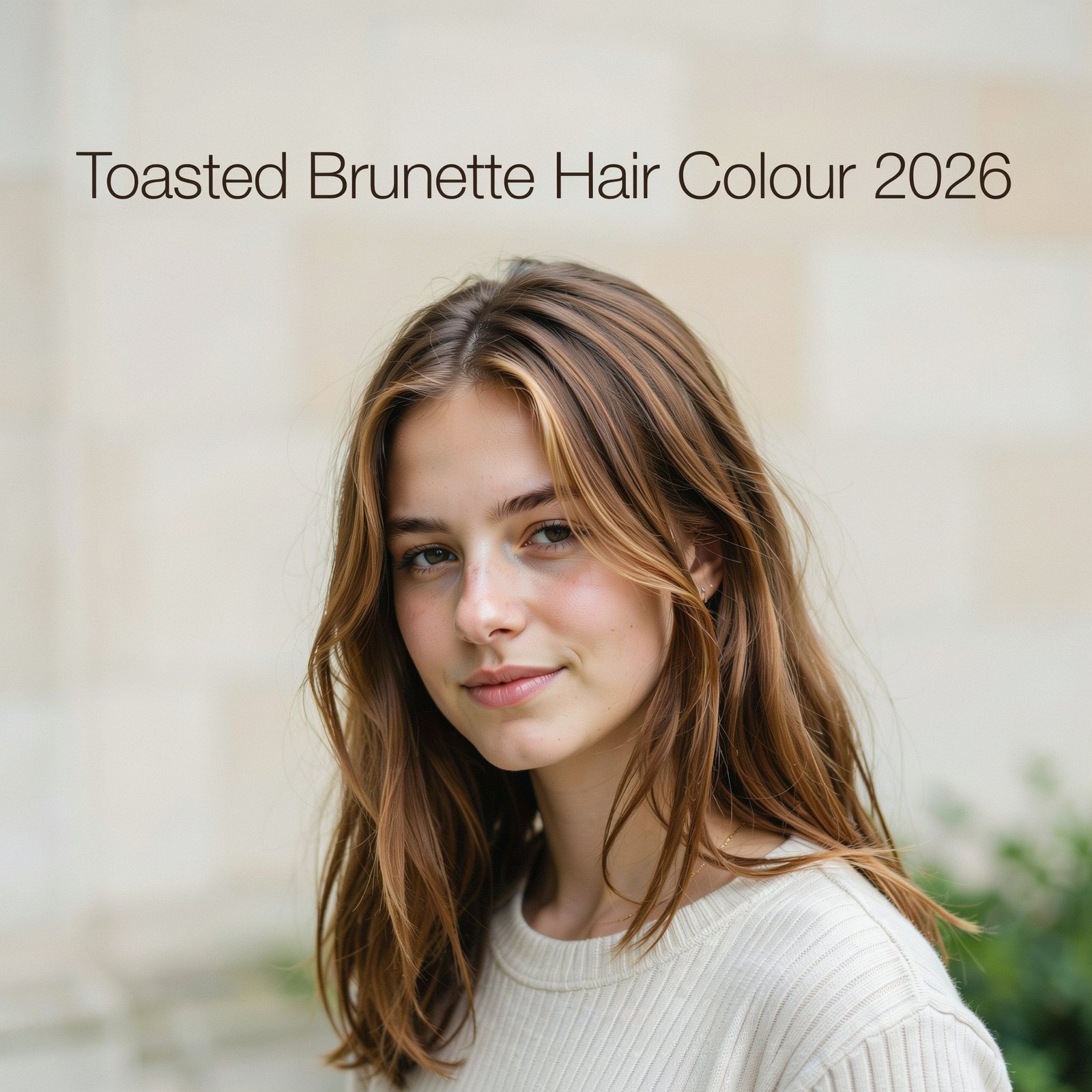
Discover the top hair colour trends for 2026, from blonde balayage and rich brunnettes to vibrant reds and modern highlights. Find your perfect new look.
There is a version of a hair colour that exists purely to exist. It sits within the safe middle distance of neither too warm nor too cool, neither too dimensional nor too flat, and it asks nothing of the person wearing it and receives nothing in return. In 2026, that hair colour has been retired.
The colour story of this season is built on the idea that shade is a decision — not a starting point, not a background detail, not an afterthought applied on top of a good cut. The tones dominating 2026 are deliberate where they need to be deliberate and intentionally undone where that serves the look better. They reward good technique. They reward intention. They reward a consultation at the salon that goes deeper than “a few highlights” or “just refresh my roots.”
What makes 2026’s colour direction particularly compelling is the way the season navigates the tension between natural and crafted. The colours that matter most this year are neither obviously processed nor entirely untouched — they occupy a space between those poles that takes considerably more skill to achieve than either extreme. A brunette that is not quite natural. Blonde that has warmth rather than simply brightness. A red that is present enough to transform the face but not so saturated it reads as theatrical.
Placement is no longer the defining question. In 2026, it is what the colour does at the root, through the mid-lengths, and around the face that determines whether a shade is remarkable or merely present.
This guide covers eight of the most beautiful hair colour trends for 2026 — each explored in full so you understand not just what the shade looks like, but how it is built, worn, and made to feel entirely your own.
1. Toasted Brunette — The Depth That Has Finally Mastered Itself
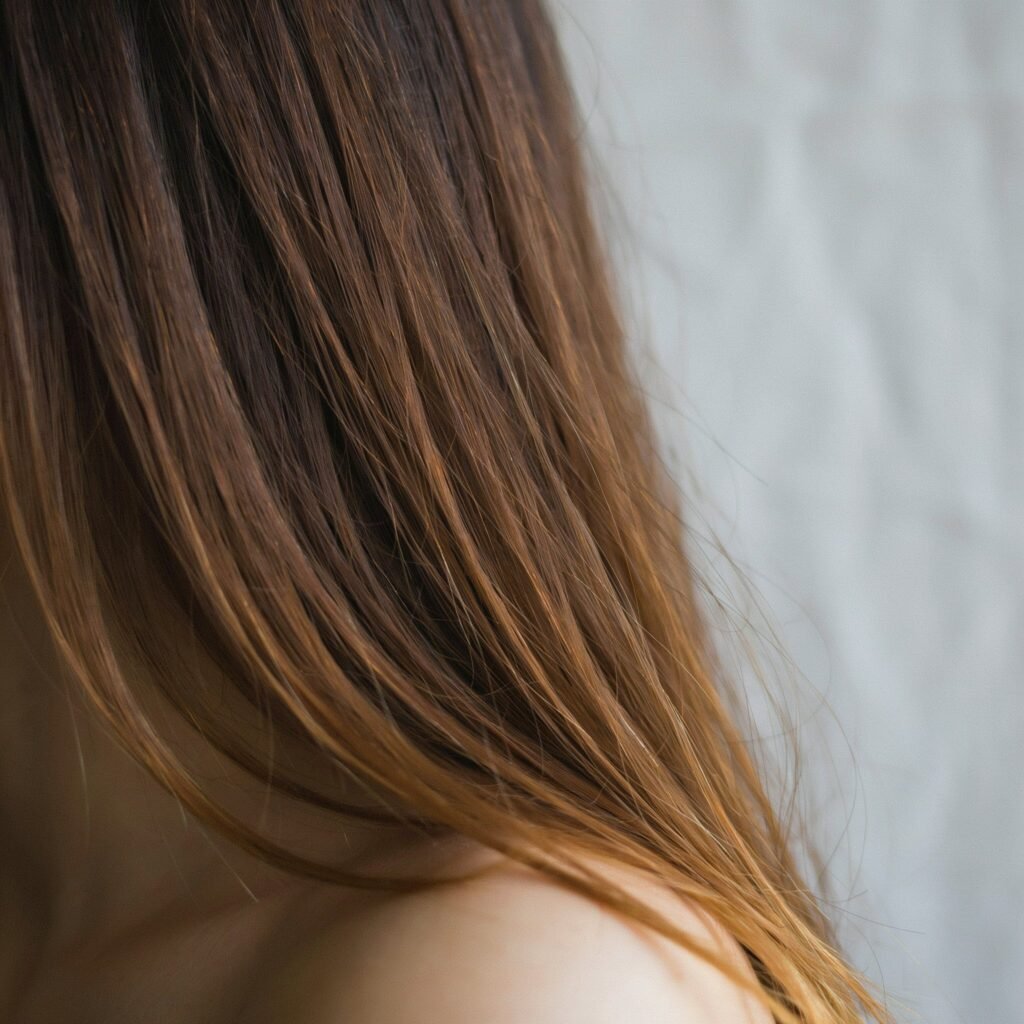
Brunette has been a fixture of every hair colour conversation for longer than any other shade. In 2026, it earns its definitive moment by becoming something technically specific rather than simply a base. The toasted brunette of this season sits between a cool medium brown and a rich warm espresso — neither the flat, single-process brown nor the heavily highlighted brunette — and it is defined not by the shade itself but by how it is built: with golden and copper undertones worked through the mid-lengths and ends that give the colour movement, warmth, and a multi-dimensional quality that flat brunettes have historically struggled to deliver.
Why the 2026 toasted brunette is different from what came before:
The warmth is internal, worked through the mid-lengths and ends with precision balayage rather than applied at the surface through a single all-over tone. The root is deep and natural — not a harsh root line but a seamless deepening that gives the colour authenticity. It moves through the light rather than sitting static, which is the quality that has made previous brunette iterations feel low-impact despite their richness.
How this colour is built:
Keep the root at a natural depth — the colour should begin at a level 3 to 4 and deepen rather than lighten as it moves through the mid-lengths. Work warmth through the mid-lengths with a fine balayage technique: copper, chestnut, and golden tones placed specifically so they catch light through movement rather than sitting as visible panels. The ends should be the warmest point — not bleached out, but toasted to a level 6 or 7 with honey and amber undertones. Finish with a toning gloss in a warm caramel tone to unify and add the lacquered surface quality that makes this colour extraordinary.
Who the toasted brunette works for:
Any natural brunette base, but it is particularly transformative on flat, single-process brown hair that has been losing its dimension. The warm tones work through the existing pigment rather than against it, which means the result feels natural regardless of how carefully crafted it actually is.
Styling directions for this colour:
Air-dried with a curl cream — the warmth reads best through natural movement and texture. Blow-dried smooth with a round brush for an editorial, glossy finish. Set with a large-barrel wand for loose waves that allow the tonal variation through the mid-lengths to become fully visible.
2. Butter Blonde — The Shade You Can Actually Wear
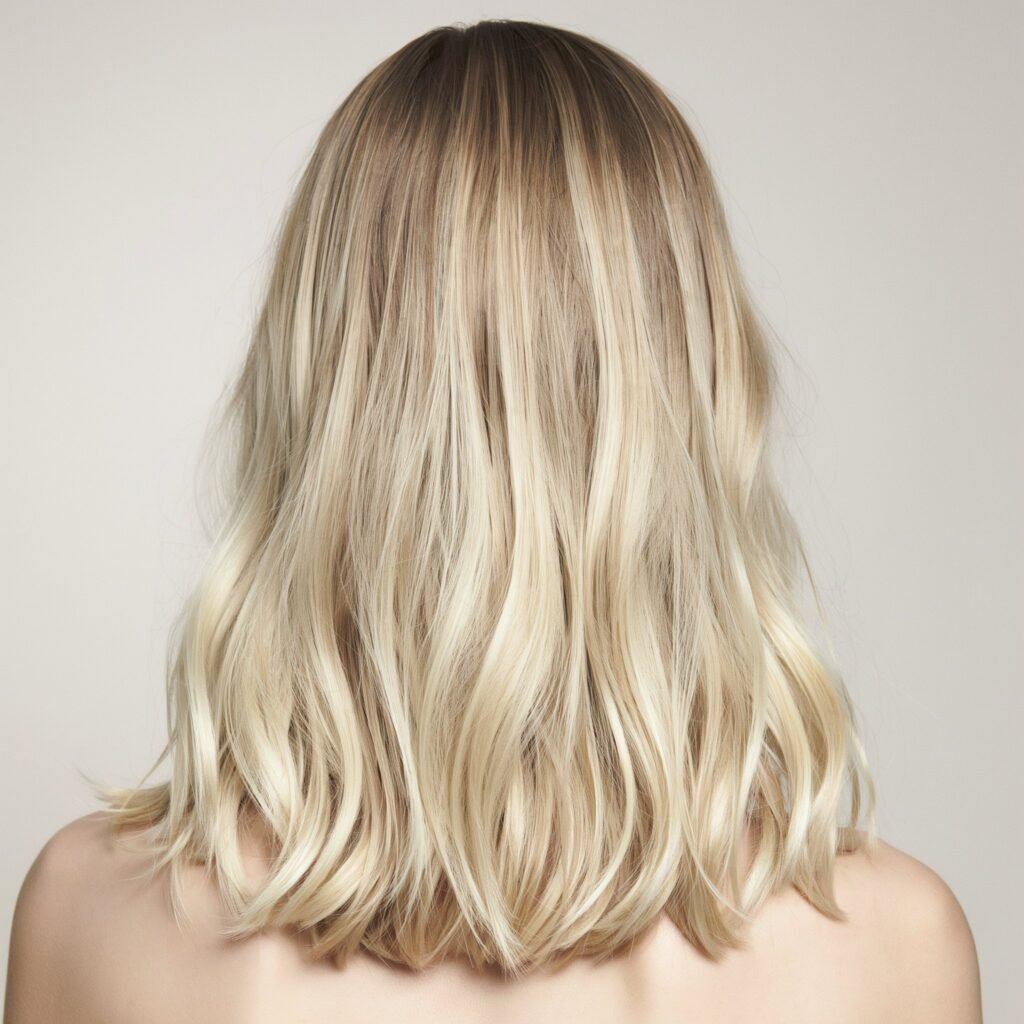
Butter blonde is 2026’s most decisive warm-blonde statement. It sits between a golden blonde and a creamy pale — neither the ashy, cold platinum blonde nor the bright, saturated yellow-blonde — and it is achieved with a precision and an attention to tone that gives it a wearability entirely unlike the bleached, stark blondes that have dominated recent seasons. The shade is considered from root to ends: the root has depth and shadow; the mid-lengths have creaminess; the ends are the palest and warmest point. The result reads as effortlessly expensive rather than obviously processed.
What makes butter blonde the colour of 2026:
Its warmth reads as confidence in a way that cooler, ashier blondes cannot replicate. The creamy quality of the tone flatters the widest range of skin tones — the yellow-warmth is soft enough not to pull orange against warm complexions and rich enough not to drain cool complexions. It works equally in straight-smooth styling and in natural texture, because the tonal variation is visible regardless of how the hair moves.
How this colour is built:
Lift the hair to a level 9 or 10 base — the lift needs to be even and clean for the butter tone to sit correctly. Tone with a warm golden formula: not yellow, not gold, but the specific creamy warmth that sits between the two. The root should be shadowed back to a level 7 or 8 for depth and to reduce grow-out visibility. The entire result should read as one cohesive, warm, dimensional blonde rather than as separate highlights.
The butter blonde spectrum:
- Classic butter blonde — golden creamy tone, level 9 base, the most universally flattering version
- Dark butter blonde — deeper root shadow, level 7 base, for those who want warmth with more contrast
- Pale butter blonde — lighter lift, the creamiest and most ethereal version, for those with naturally lighter bases
Styling directions:
Blow-dried smooth with a large round brush for the creamiest possible surface. A flat iron passed once through the lengths for the mirror-like finish that shows the tone at its best. A small amount of lightweight oil through the ends for the luminous quality that makes this shade truly remarkable.
3. Cinnamon Red — The Tone That Never Left but Finally Arrived
Cinnamon red is not a new idea. Red hair has been in and around the trend conversation for decades. What makes 2026 its definitive moment is the refinement of how the shade is formulated and how it sits — not the vivid, saturated red that reads as dramatic and high-commitment, and not the washed-out auburn that disappears within weeks. The 2026 cinnamon red has warmth, depth, and longevity. It falls between a rich copper and a muted berry-red, sits on the hair with a spiced, burnished quality, and transforms the overall look with the specific combination of warmth and depth that only a well-executed red can deliver.
Why the 2026 cinnamon red is the red to try:
Its mid-tone depth — between level 5 and 7 — means it genuinely transforms the colour while remaining achievable on most natural bases without extreme pre-lightening. The spiced tone is adaptable: worn with more copper for a warmer, autumn-adjacent result; with more berry for a cooler, more editorial finish. It fades gracefully — the cinnamon undertone means the in-between stage reads as a warm brunette rather than as a washed-out red.
How this colour is built:
Establish the base tone with a permanent colour at a level 5 to 6 in a warm red-brown family. Layer a cinnamon or copper gloss over the top to add the spiced, burnished quality that makes this shade remarkable — the gloss is what separates a flat red from a dimensional one. Finish with a colour-preserving treatment to seal the cuticle and maximise the tone’s longevity. Red fades faster than any other shade; the finishing step is not optional.
Who cinnamon red works for:
Best suited to medium skin tones with warm or neutral undertones, where the spiced quality of the shade creates a cohesive warmth across the complexion. On cooler, lighter skin tones, the formula can be adjusted toward a cooler red-berry to maintain the same dimensional quality with a more flattering relationship to the skin.
4. Lived-In Highlights — The Technique That Makes Light the Point
Lived-in highlights are 2026’s most technically nuanced colour story — and they earn their position this season by becoming something more considered than the chunky, heavily placed highlights that have been circulating since their early 2000s revival. The 2026 lived-in highlight has intentionality built into every placement. The sections are specific. The fade from root to tip is a gradual, deliberate progression rather than a harsh lift-off-the-root. The tone — present in the classic version — is a genuine formula decision rather than an afterthought. The result is a highlight that looks effortless because it has been executed with considerable precision.
What distinguishes the 2026 lived-in highlight from its predecessors:
The placement is organic rather than geometric — the highlights fall where sunlight would naturally hit the hair, not in evenly spaced foil sections that read as applied. The root area is deliberately shadowed to extend the life of the colour and to make regrowth invisible for as long as possible. The tonal family of the highlights is chosen to complement rather than contrast with the base.
How this colour is built:
Begin with a base analysis — the lived-in highlight works with the existing natural or coloured base rather than against it. Place highlights using a balayage or open-air technique, focusing on the surface layers and the face-frame rather than taking sections throughout the depth of the hair. The lift should be controlled: maximum two to three levels above the natural base for the most believable result. Tone with a shade that has warmth and that unifies rather than separating the highlighted and natural sections.
The lived-in highlight spectrum:
- Subtle lived-in highlights — barely-there placement, the most natural and low-maintenance version
- Classic lived-in highlights — balanced placement with a visible tonal story, the most universally flattering
- Bright lived-in highlights — higher lift, more contrast, almost approaching a balayage but with a softer root
5. Espresso Gloss — The Power Colour of the Season
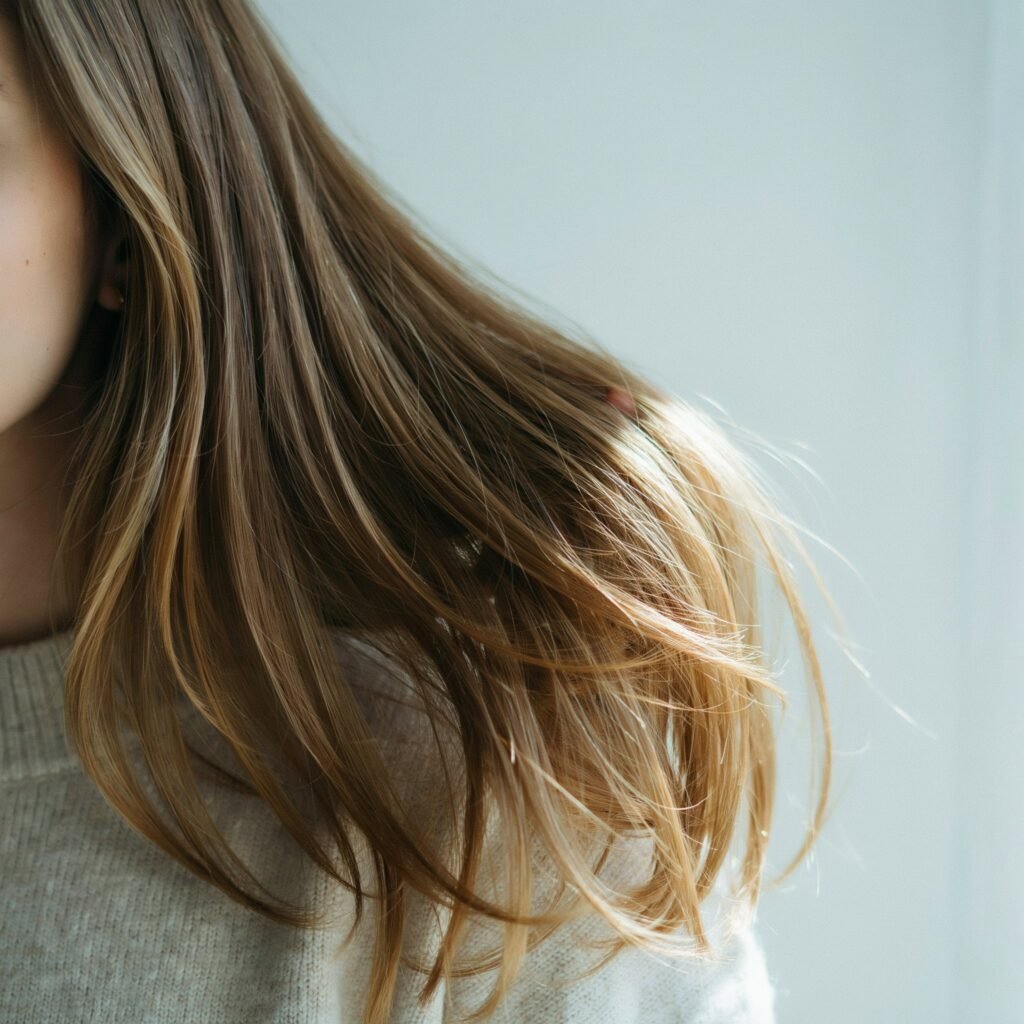
The espresso gloss is 2026’s most quietly powerful dark-hair statement. It sits between a deep brown and a near-black — darker than a standard brunette, lighter and warmer than a true black — and it is worn with a surface quality that is its entire identity. Not simply dark-coloured hair, but dark hair with a reflective, lacquered surface that catches light in a single, sweeping arc and reads as intentional from every distance. In a season that is otherwise largely tonal and soft, the espresso gloss is a counterpoint that reads as sharp, deliberate, and deeply sophisticated.
Why the espresso gloss is compelling in 2026:
Its deep, light-reflective surface creates a visual impact that matte dark shades cannot replicate — the colour appears to move as the wearer moves, giving the hair a three-dimensional quality that flat dark bases lack entirely. The warmth within the espresso tone prevents the shade from reading as harsh or draining against most complexions. It reads as polished and elevated in every context.
How this colour is built:
Apply a deep, warm brown base — level 3 to 4 with red-brown rather than cool-ash undertones. Finish with a clear or lightly tinted gloss over the top: this is the step that separates the espresso gloss from a standard dark colour. The gloss seals the cuticle, adds the reflective surface quality, and intensifies the depth without adding more pigment. Repeat the gloss treatment every four to six weeks to maintain the surface quality.
Styling directions:
Blow-dried smooth with a flat brush working from the nape upward — the direction of the dry determines how the light travels along the surface. A flat iron passed through the lengths for the maximum lacquered finish. A small amount of serum worked through the mid-lengths and ends for the mirror-like quality that makes this colour extraordinary.
6. Undone Root — The Grown-Out Look With a Direction
The undone root is the most misunderstood colour trend in the 2026 conversation, which is precisely what earns it a place on this list. This is not colour that has been neglected. It is not a look waiting to be refreshed. It is a specific aesthetic — a visible, deliberate deepening at the root that is formulated to look natural and intentional rather than overdue — that has been embraced as a style choice in its own right. In 2026, the women wearing it are not waiting to get to the salon. They are stopping here, on purpose.
Why the undone root is a style choice, not a phase:
The visible root adds a depth and authenticity that uniform all-over colour can never replicate — it reads as lived-in confidence rather than high-maintenance perfection. The contrast between the deeper root and the lighter mid-lengths creates a natural-looking dimension that takes genuine skill to formulate correctly. It works best when the root tone is deliberately matched to the natural root rather than left as an accidental regrowth line.
How this look is maintained:
The root shadow should be formulated and applied at the salon — not simply grown out, but deepened with a shade that is two to three levels darker than the mid-lengths and that has the same tonal family. The line of demarcation should blur rather than break: a shadow root achieved with colour rather than a grown-out root defined by regrowth. Maintain with a root smudge every eight to twelve weeks.
7. Dimensional Ash — The Mid-Length Colour Reinvented
Dimensional ash is the 2026 answer to the cool-tone question, and it resolves the tension that has plagued the shade for years. Flat ash blonde looks dull and lifeless without dimension. Cool tones applied all over drain warm complexions and read as grey rather than sophisticated. The 2026 version resolves this by keeping the overall tone cool and ashy while building movement and variation through the mid-lengths — deeper ash at the root, lighter and slightly warmer at the ends — so the result reads as dynamic and considered rather than as a single flat wash of colour.
Why this combination works where others have failed:
The tonal variation within the ash family keeps the colour interesting without introducing warmth that fights the overall cool direction. The lighter ends create the brightness and lightness that flat ash lacks, while the deeper root gives the colour the grounded quality that prevents it from reading as washed-out. The look adapts to every styling direction: straight, wavy, or naturally textured, the dimension creates movement while the overall cool tone holds the mood.
How this colour is built:
Establish the root in a cool, deep ash — level 6 or 7 with blue-ash or green-ash toning to neutralise any warmth. Work lighter ash through the mid-lengths with a fine balayage, lifting one to two levels and toning with a pale ash formula. The ends should be the lightest point — not white-blonde, but a clean pale ash that reads as luminous rather than bleached. Unify with an overall ash toner applied as a gloss.
8. The Copper Statement — The Commitment That Pays Off
The copper statement is 2026’s most decisive colour choice — and one of its most admired. Bright, sitting above a standard auburn in intensity and below a vivid orange in saturation, the copper statement is not a compromise. It is not a red that could not commit. It is a deliberate, considered shade — a pure, warm copper that transforms the face, reads as luminous against every skin tone it suits, and makes the wearer look like someone who knows exactly what they want from their hair. In 2026, it is being worn with everything from sculpted bobs to long waves to textured shags.
Why the copper statement is compelling now:
Its intensity creates a presence that muted or tonal colours simply do not have — it is seen and remembered from every distance. Against the soft, dimensional colours dominating the rest of the season, the copper statement reads as the most confident possible counterpoint. The commitment required to wear it correctly is, paradoxically, what makes it compelling — it takes certainty, and certainty always reads as a style choice.
How this colour is built:
Pre-lighten the hair to a level 8 or 9 — the copper tone needs a clean, even base to read correctly; any residual warmth or brassiness in an uneven lift will fight rather than enhance the copper formula. Apply a vibrant copper shade — a level 6 or 7 in a pure copper family, not red-copper or golden-copper but the specific mid-tone that sits precisely between the two. Seal with a colour-lock treatment immediately. Maintenance is every four to six weeks — copper fades fast and the vibrancy is its entire identity.

Who the copper statement works for:
Best suited to warm to neutral skin tones where the copper creates a cohesive warmth across the entire face. Extraordinarily effective on those with strong brows and defined features where the colour becomes part of a graphic overall look. On cooler skin tones, the formula can be adjusted toward a slightly deeper copper-auburn to maintain the same vibrancy with a more flattering relationship to the complexion.
The Principles Behind Every 2026 Colour
Three ideas run through every colour trend this season and are worth understanding before your next appointment.
The consultation is the technique. In 2026, the colours that look most effortless are the ones that required the most thorough conversation before a single gram of colour was mixed. The placement, the tone, the relationship to the base, the maintenance commitment — all of these are determined in the consultation, not at the basin. A colourist who asks the right questions is not wasting time. They are doing the most important part of the work.
Toning is as important as lifting. The most transformative thing a colourist can do for any colour in 2026 is not to lift the hair but to tone what is already there. The gloss step — applied at the end of every colour service — is what separates a colour that glows from a colour that simply sits. Interior pigment removal and surface toning are the techniques that distinguish the best colour work of this season.
Maintenance is part of the style. Every colour on this list has an honest maintenance requirement. Copper fades every four to six weeks. The espresso gloss needs a gloss refresh every six to eight weeks. The toasted brunette, by contrast, grows gracefully. Know what you are signing up for before you commit to a shade — not to avoid commitment, but to make the right one for your life.
The Colour Is the Foundation
Every other decision in a hair appointment — cut, treatment, styling — sits on top of the colour. A strong colour makes a cut look more intentional, makes texture read as considered, makes the entire result look like a decision rather than an accident. In 2026, that foundation is being built with more precision and more intention than it has been in years.
Bring the specificity to your next appointment. Know the tone, the placement, the depth, the maintenance. Know whether you want warmth or coolness or the precise calibration between the two that makes the most compelling colours this season so difficult to achieve and so impossible to forget.
For Hairs Style Check this Link. https://womenwearz.com/hair-style-trends-2026-the-most-beautiful-cuts-and-shapes-defining-the-season/