There is a version of summer hair that exists purely to survive. It is tied back before it has been properly considered, pinned up before it has been given any real direction, and treated as something to manage rather than something to wear with intention. It requires nothing and receives nothing in return. In 2026, that version of summer hair has been retired.
The summer hair story of this season is built on the idea that heat and humidity are not obstacles to a good cut — they are the conditions a good cut should be built for. The shapes dominating summer 2026 are constructed with the season in mind: styles that move in warm air, that hold their form without constant intervention, that look better after a day at the beach than they did when you left the house. They reward good technique. They reward a conversation at the salon that accounts for the climate you actually live in, not just the length you think you want.
What makes 2026’s summer direction particularly compelling is the way the season reconciles two things that have historically been in conflict: ease and intention. The cuts that matter most this summer are neither effortlessly undone nor uncomfortably rigid — they occupy the space between those poles where a style looks like it happened exactly right, every single time, without the work showing. A bun that has structure without appearing constructed. Waves that look like the sea made them. A short cut that functions perfectly in thirty-degree heat because it was built for that specific purpose.
Length is no longer the defining summer question. In 2026, it is what the cut does in warm conditions, how it behaves in humidity, and how it looks when the wearer has been outside that determines whether a summer style is remarkable or merely present.
This guide covers eight of the most beautiful summer hair style trends for 2026 — each explored in full so you understand not just what the cut looks like, but how it is built, worn, and made to work in every condition the season produces.
1. The Wet-Look Wave — The Style That Has Made Peace With Humidity
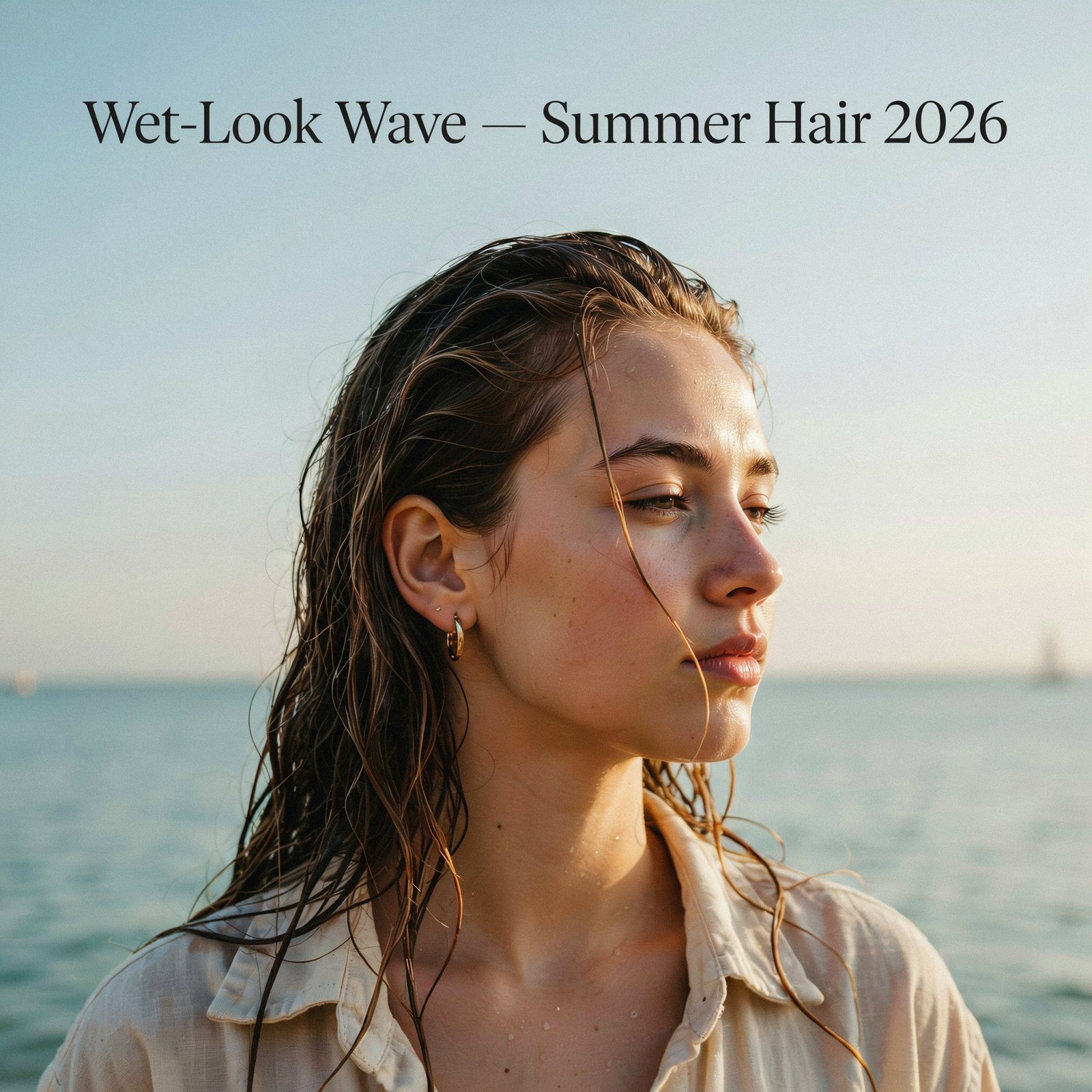
The wet-look wave is summer 2026’s most confident style statement. It does not fight humidity; it starts from it. Sitting at any length from the jaw to the mid-back, the wet-look wave is defined not by where it falls but by how it is worn: glossy, defined, and deliberately moist in appearance, with a texture that reads as intentional rather than caught out by the weather. It is the summer style that has, finally, decided that the heat is not the enemy.
Why the 2026 wet-look wave is different from what came before:
The definition is in the product application rather than the styling tool — this wave is built with a gel or cream applied to soaking-wet hair, not curled and then product-finished The gloss is the point — the light travelling across defined, separated waves is what gives the style its authority and its distinctly summer quality It works with the wearer’s natural texture rather than against it, which is why it performs better in humid conditions than any blow-dried or heat-styled alternative
How this style is built:
Shampoo and condition as normal, leaving hair very damp — not towel-dried to near-dry, but genuinely wet Apply a medium-hold gel or curl-defining cream from root to tip, working the product evenly through every section Scrunch upward to encourage the natural wave or curl pattern, then leave completely undisturbed until dry — no touching, no diffusing if possible Once fully dry, break the cast by scrunching downward to soften — the wave should remain defined but no longer stiff Any face-framing pieces can be separated with a drop of lightweight oil for the most polished finish
Who the wet-look wave works for:
Any naturally wavy or curly texture, but it is also extraordinary on hair that has a slight natural bend and has previously been straightened into submission. The wet-look wave gives that hair its best summer identity.
Styling directions for this style:
Applied to fully wet hair for the most defined, glossy result Applied to damp hair for a softer, less structured version of the same idea With braids worked in while wet — the wave sets around the braid pattern for a textural result that lasts two days
2. The Summer Bob — The Short Cut Built for Heat
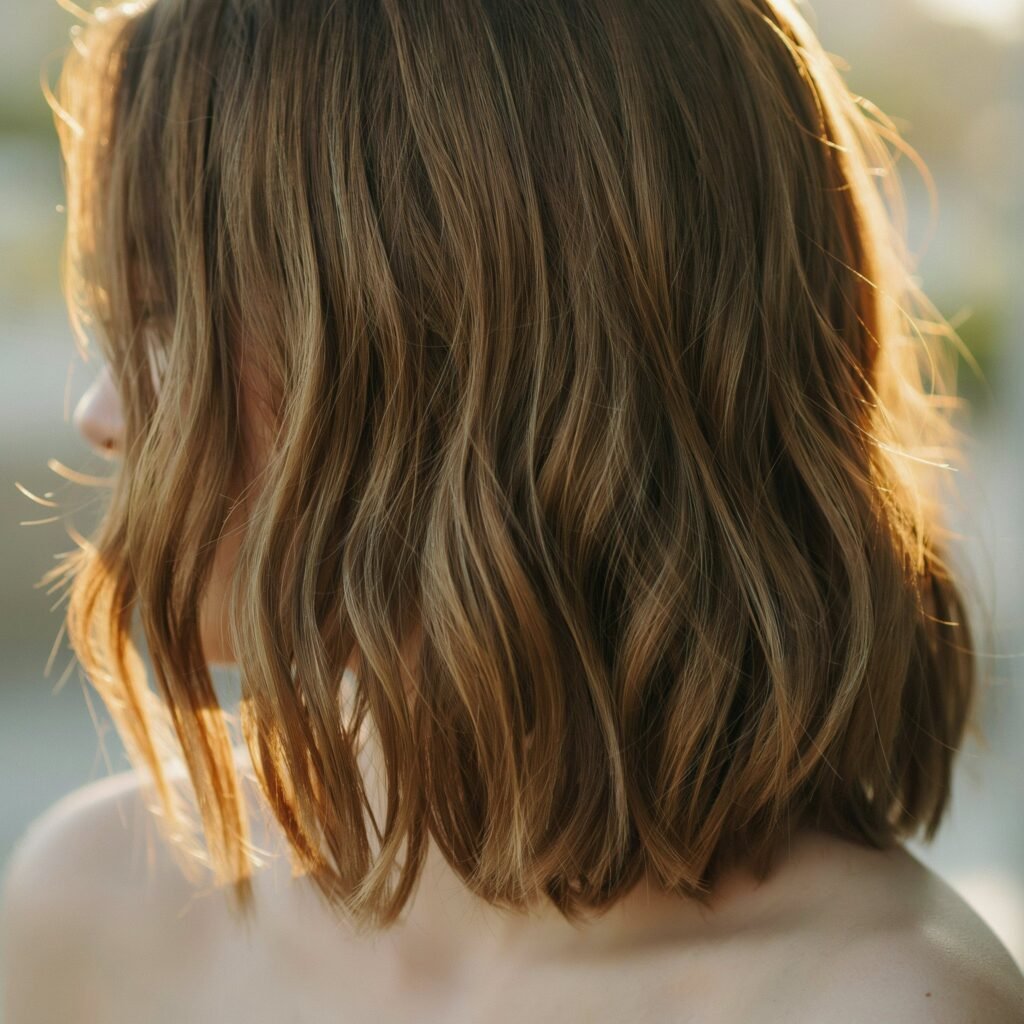
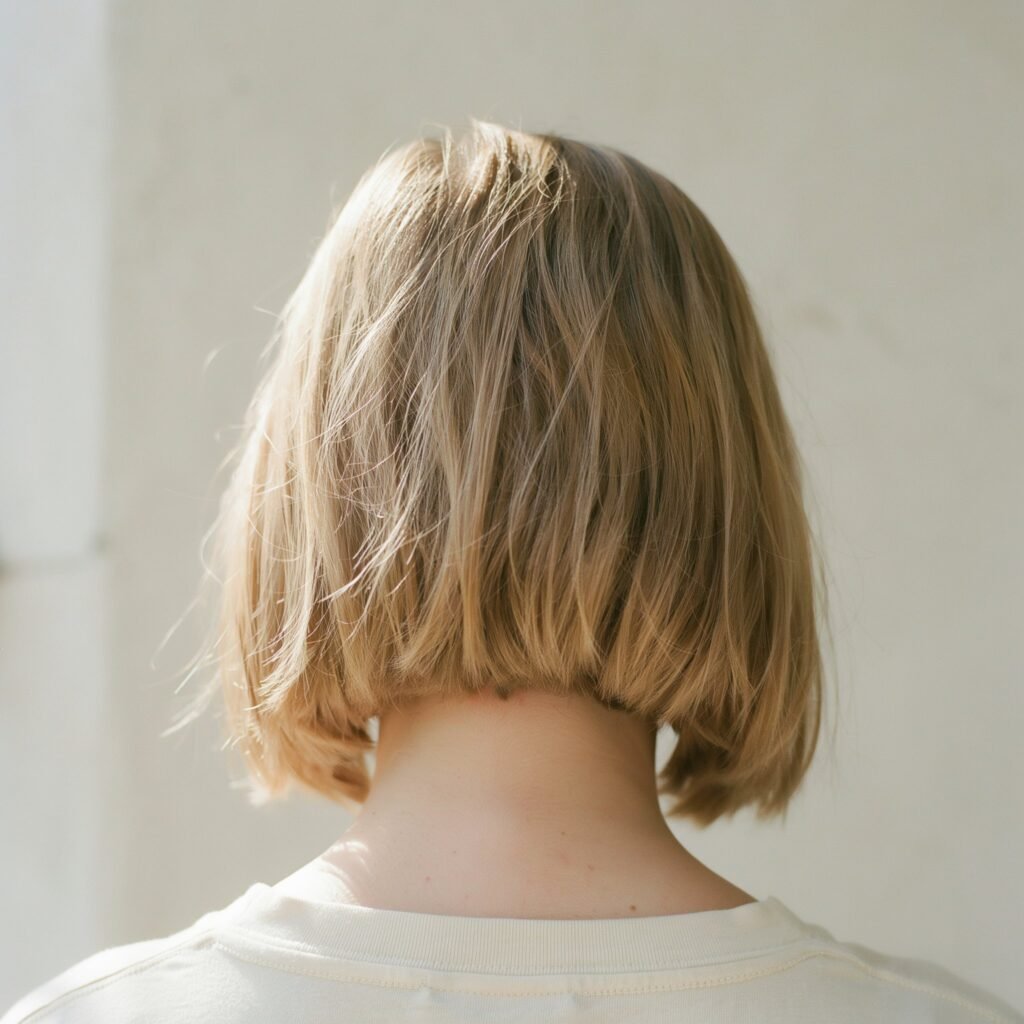
The summer bob is 2026’s most decisive short-length statement for the season. It sits at or just below the jaw — a classic bob length — but it is cut with the specific demands of summer in mind: lighter through the interior than a winter bob, with weight removed from the nape so the back of the neck is open and the style does not trap heat the way heavier bobs can. The shape is still precise. The perimeter is still considered. But the internal architecture has been adjusted for the climate, and the difference is immediately legible.
What makes the summer bob the cut of 2026:
Its nape — kept light and close — is the specific modification that makes this a summer cut rather than a year-round bob worn in warm weather The interior weight removal means it dries faster, moves more freely, and does not develop the heavy, static quality that full bobs can in humidity It frames the face without requiring constant styling, which makes it the most practical short cut for women who spend meaningful time outdoors
How this cut is built:
Establish a clean perimeter at or just below the jaw — the exact length determined by face shape and personal preference Remove interior weight through the nape and the lower back section with point-cutting — this is the modification that separates the summer bob from its year-round counterpart The sides connect to the back without a visible line, sitting close without being graduated to the point of severity The perimeter can be blunt for the sharpest result or fractionally softened with point-cutting for a more relaxed daily finish Any face-framing is kept minimal — the bob’s strength is its clean line, not its layering
The summer bob spectrum:
Classic summer bob — jaw-length, blunt perimeter, interior weight removed at the nape, the most architectural version Textured summer bob — the same light interior with a softened, point-cut perimeter for a more lived-in look Asymmetric summer bob — fractionally longer on one side, for those who want the structure with an additional gesture of intention
Styling directions:
Air-dried with a curl cream for natural movement and zero effort Blow-dried smooth with a flat brush for the cleanest possible line A small amount of shine serum through the lengths for a polished, lacquered finish that works equally well on the beach and in a meeting
3. The Breezy Bun — The Updo That Looks Like It Wasn’t Trying
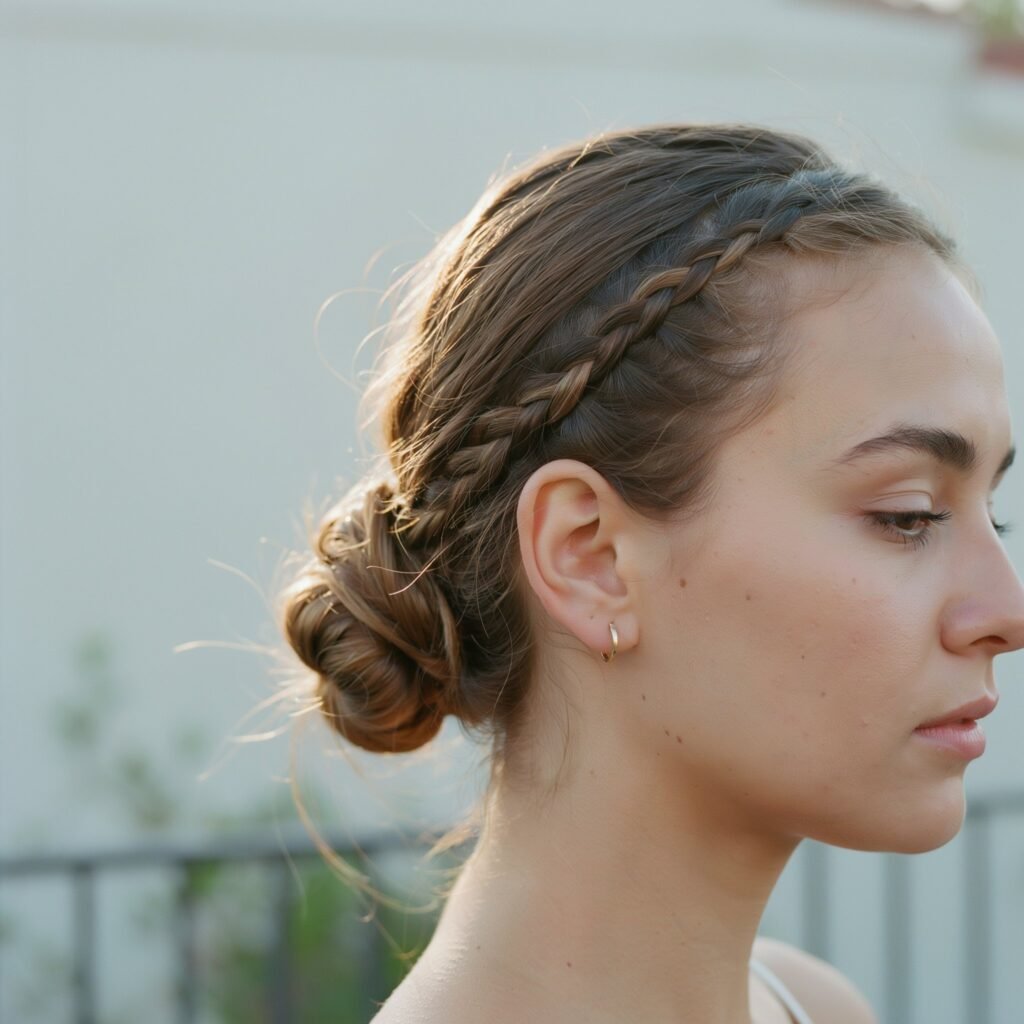
The breezy bun is summer 2026’s most versatile style, and it earns its position this season by becoming something technically considered rather than simply the result of gathering hair upward and hoping for the best. The 2026 breezy bun sits at a deliberate height — typically at the nape or at the crown depending on the effect desired — with a specific amount of intentional looseness that reads as effortless rather than careless. Face-framing pieces are pulled out with purpose, not accident. The texture of the bun itself is defined by how the style was set rather than by whatever state the hair happened to be in when it was put up.
Why the 2026 breezy bun is the updo to know this season:
Its intentional looseness is built into the method — hair is twisted or coiled and secured with movement already considered, not as an afterthought The face-framing pieces are planned: two to three sections pulled forward before the hair is tied, so they fall naturally rather than being yanked out later and looking like an escape It works at every length that can be gathered — from a lob to long hair — and the technique adapts proportionally to the amount of hair being worked with
How this style is built:
Begin with day-two or day-three hair — or apply a dry texture spray to freshly washed hair and rough-dry to create grip Pull two to three sections forward at the temples and beside the ears before tying — these will become the face-framing pieces and they should be pulled forward deliberately, not left to chance Gather the remaining hair and twist once or twice before securing with a soft elastic — do not smooth; let the surface texture be visible Pull the bun apart fractionally at the sides and top to introduce volume and the breezy quality that defines the style Secure any pieces that feel genuinely unwanted, then leave the rest
Who the breezy bun works for:
Medium to long hair at any texture. Straight hair benefits from a texture spray before styling; wavy and curly hair builds the necessary grip naturally. It is particularly transformative on thick hair that has always found summer difficult — the bun removes the heat and weight while the technique ensures it looks considered.
Styling directions:
On natural texture for the most relaxed, high-summer version Set the night before on damp, braided hair — taken down in the morning and put up, the texture holds all day without product With a single decorative clip or pin to anchor a face-framing piece and add one deliberate element to the otherwise casual style
4. The Micro Braid Detail — The Accent That Changes Everything
The micro braid detail is summer 2026’s most refined textural statement — and it earns its position this season not as a full-head braiding style but as a precision accent technique that works within almost any cut or style. A single micro braid pulled back from the face and worked into the body of a wave. Two thin braids framing the face on either side. A braid detail woven through a bun. The approach is deliberate and small-scale, and it transforms a simple summer style into something that reads as considered without reading as formal.
What distinguishes the 2026 micro braid detail from earlier braiding trends:
Its restraint — this is not a full-head braiding style, and it is not trying to be; the power is in the contrast between the braided section and the unstructured texture around it The scale — micro braids at this proportion require small sections and fine technique, and the difference between a micro braid and a regular braid in this context is the difference between an accent and a statement Its integration — the braid detail is worked into the style rather than sitting on top of it, which is what separates the technique from simply adding a braid
How this detail is created:
Take a small section — no wider than a pencil — from the hairline at the temple or from a face-framing section within the cut Braid tightly from root to end, securing with a small clear elastic or leaving the end loose to blend into the surrounding texture Work the braid back into the style — tucked into a wave, incorporated into a bun, or allowed to fall naturally alongside the rest of the hair One to three braid details is the range; more than three moves the look from accent toward a braiding style, which is a different and entirely valid choice but not the one this trend is built on
Who the micro braid detail works for:
Any texture, though it is particularly striking on straight and wavy hair where the braided section creates the most textural contrast. On naturally curly hair, the micro braid reads as a complement to rather than a contrast with the surrounding texture — a different but equally beautiful effect.
Styling directions:
Applied before heat styling so the braid works into the waves naturally Created on dry hair and worked into an updo or bun as a finishing detail Left in overnight and removed in the morning for a crimp pattern in the section — a secondary styling benefit
5. The Sleek Ponytail — The Summer Staple Refined
The sleek ponytail is summer 2026’s most quietly powerful style. It sits at the nape, at the mid-skull, or at the crown — the height is personal — and it is worn smooth. Not simply gathered and tied, but smoothed in the way that requires the right products, the right technique, and hair that has been considered from the root to where it meets the elastic. In a season that is otherwise largely textural, the sleek ponytail is a counterpoint that reads as sharp, intentional, and exceptionally clean. It is the style that a woman wears when she has decided that summer will not disorder her.
Why the sleek ponytail is compelling in 2026:
Its clean, smooth surface creates a visual authority that textured styles cannot replicate — the light travels across the pulled-back sections in a single, unbroken movement The height is a genuine design decision this season — the nape ponytail is architectural and severe; the crown ponytail is youthful and open; the mid-skull ponytail is the most versatile and the most wearable It has an ease-to-impact ratio that no other style can match — the result is polished far beyond the effort required
How this style is built:
Apply a smoothing cream or gel through damp or dry hair before gathering — the product applied before, not after, is what prevents the surface from lifting in humidity Gather at the chosen height and secure with a soft elastic — avoid elastics with metal clasps, which create dents Take a small section from the ponytail itself and wrap it around the elastic, securing underneath with a pin — this single detail elevates the style from functional to considered Smooth the surface with a fine-toothed comb and a light pomade or hairspray, working from the hairline toward the point of gathering Edges can be left natural or smoothed entirely depending on the desired level of precision
Styling directions:
Blow-dried smooth before gathering for the most polished version Applied to naturally straight hair with only a smoothing cream — no heat required With a silk scarf tied around the elastic for a summer accessory detail that reads as intentional rather than decorative
6. The Sea Salt Shag — The Cut Built for the Ocean
The sea salt shag is summer 2026’s most textural cut — and it earns its position this season by becoming something more specific than the lived-in shag that has been circulating for several years. The 2026 sea salt shag is built with summer’s actual conditions in mind: layers that activate in salt air and humidity rather than fighting them, face-framing pieces that frame rather than stick, and an overall silhouette that looks better on day two after a swim than it did on day one out of the salon. It is the cut that turns the summer environment into a styling tool.
What distinguishes the 2026 sea salt shag from its predecessors:
The layers are cut specifically to behave in natural texture — this is not a shag that requires a diffuser to activate; it is a shag that activates in the air on the way to the water The face-framing pieces are cut at a length that works with humidity rather than against it — short enough to spring up into a curl or wave, not long enough to go limp The overall shape has the movement and volume the shag is known for, but it is calibrated for a climate rather than a styling routine
How this cut is built:
Establish the shortest layer around the crown at a length that suits the face shape and the desired silhouette — for the sea salt shag, this is often slightly longer than a classic shag to allow for natural curl spring Work through the layers with intention, each one a deliberate length longer than the last, with extra attention paid to how each layer will behave in natural texture The face-framing layers are cut at the cheekbone and point-cut heavily for the spring that makes them work in humidity A fringe, if included, should be point-cut rather than blunt — a blunt fringe fights moisture; a point-cut fringe embraces it
The sea salt shag spectrum:
Classic sea salt shag — medium length, full layers, point-cut fringe, the most iconic summer version Grown-out sea salt shag — longer through the body with shorter face-framing layers, a more versatile version that transitions easily between summer and autumn Mini sea salt shag — shorter, sitting above the shoulder, the most graphic and salt-spray-friendly interpretation
Styling directions:
Sea salt spray applied to soaking-wet hair, scrunched upward, and left completely alone — this is the cut’s ideal styling condition Diffused on natural texture for more volume and definition Rough-dried and then left to the summer air — the layers find their own shape without intervention

7. Long Layers With a Summer Part — The Mid-Length Reinvented for the Season
Long layers with a summer part is the 2026 answer to the perennial mid-length question — and it resolves the tension by adding a single, considered styling decision to an otherwise classic cut. The cut itself is built on the long layers with blunt perimeter foundation that has been one of the season’s most technically sound styles. The summer modification is in the part: a deep, low side part or a completely off-centre part that introduces asymmetry into the face-frame, breaks the visual weight of the mid-length, and gives the style a directional quality that a centre part cannot produce. One change. Significant result.
Why this combination works where others have failed:
The deep part introduces movement and visual interest without requiring any change to the cut — the same hair suddenly sits differently and reads as a deliberate style rather than simply hair at a length It works in every condition summer produces: air-dried with a side part, the layers fall naturally toward the heavier side; blow-dried smooth with the part set first, the result is polished and architectural The asymmetry created by the part flatters the widest range of face shapes, softening strong angles and adding definition to softer features
How this style is built:
Begin with the long layers with blunt perimeter cut — this is the foundation that makes everything else work; the part alone cannot carry the style Establish the part while the hair is wet — the deeper and more deliberate the part at this stage, the more it holds through drying Dry with the part set, directing the hair away from the parting line so it falls with intention rather than simply following gravity Finish with a light oil through the lengths to define the layers and the directional fall
Styling directions:
Air-dried for the most relaxed, summer-morning version of the style Blow-dried smooth section by section, following the direction of the part, for a polished editorial finish Set with a large-barrel wand for loose waves that fall away from the part — the asymmetry of the part and the softness of the wave create a combination that defines the season’s mid-length moment
8. The Summer Pixie — The Short Cut That Thrives in the Heat
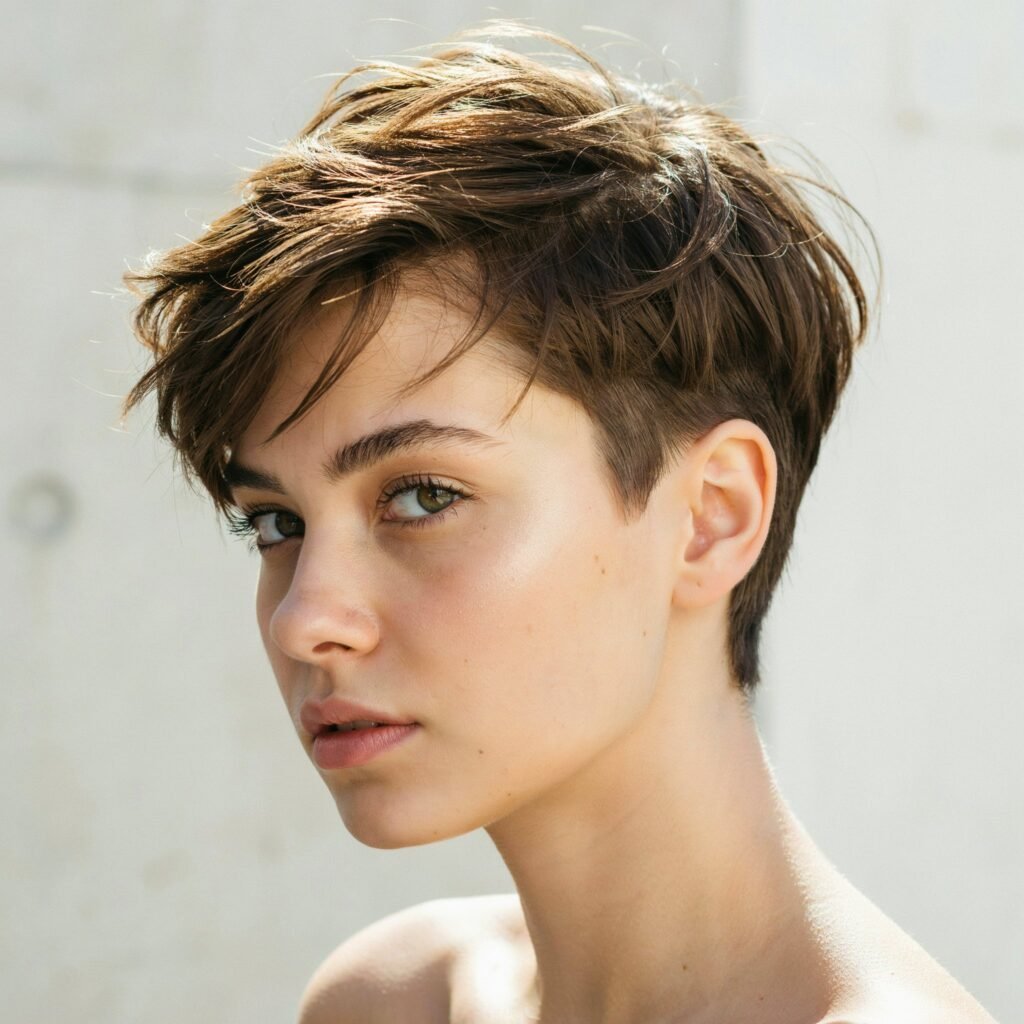
The summer pixie is 2026’s most liberating style statement — and the season’s most compelling argument for going short. This is not a pixie that happens to be worn in summer. It is a pixie that has been cut and calibrated for summer: close at the nape for coolness, textured through the top for movement in warm air, and styled with a lightness and a deliberate dishevelment that reads as exactly right for the season. In a summer full of waves and braids and carefully considered lengths, the summer pixie is the cut that simply removes the question entirely.
Why the summer pixie is the cut of the season:
Its functionality in heat is unmatched — no other style does more to address the physical reality of being warm while still reading as a considered style choice The texture through the top — worked with a small amount of wax or a styling cream — gives the cut movement and personality that a smoothed pixie cannot produce It transforms with the simplest accessories: a single earring, a headband, a pair of sunglasses — the clarity of the cut makes everything near it more visible and more intentional
How this cut is built:
The top sits at a length of two to four inches — enough to move and to style, short enough to sit close to the head and not trap heat The sides are tapered or scissor-cut close, with a particular attention to the area around the ears — clean enough to feel deliberate, not so severe it reads as clinical The nape is kept tight — the summer pixie’s defining comfort feature is the open, close-cut nape that allows air to reach the back of the neck Any interior texture is removed with point-cutting through the top section so the style moves rather than sits
The summer pixie spectrum:
Classic summer pixie — close sides, textured top, the most functional and most recognisable version Longer summer pixie — more length through the top, approaching the grown-out pixie territory, for those who want the summer functionality with slightly more styling versatility Wispy summer pixie — the softest version, with point-cut ends throughout and a deliberately imprecise perimeter that reads as completely effortless
Styling directions:
Worked through with a small amount of wax or pomade for a polished, directional finish Air-dried completely for the softest, most dishevelled version A curl cream applied to slightly damp hair for natural texture through the top — particularly effective on hair with any natural wave
The Principles Behind Every Summer 2026 Style
Three ideas run through every style trend in this season and are worth understanding before your next appointment.
The cut should work in the conditions you actually live in. Every style on this list has been considered in the context of heat and humidity — not as obstacles to navigate, but as variables the cut should be built for. The most frustrating summer hair is summer hair that fights the season. The most beautiful summer hair is summer hair that uses it.
Texture is a material, not an accident. The sea salt shag, the wet-look wave, the micro braid detail — each of these works because texture has been embraced as the point rather than managed as a problem. In 2026, the hair that looks most considered is the hair that looks most textural.
Simplicity is a technique, not a default. The sleek ponytail, the summer bob, the breezy bun — none of these are simple because they require no thought. They are simple because they have been executed with the kind of precision that makes the simplicity look inevitable. There is as much skill in a perfect, smooth ponytail as there is in a complex braided updo. Knowing the difference is what separates a considered summer style from a surrendered one.
The Cut Is the Foundation
Every other decision in a summer appointment — whether to go shorter, whether to take on a fringe, whether to commit to a texture that works in the heat — sits on top of the cut. A strong cut makes everything easier. It makes air-drying work. It makes a bun look intentional. It makes a single product application look like a styling decision rather than a desperate measure.
In 2026, that foundation is being built with the season in full view. The question is not what hair looks like in the salon, product-finished and blow-dried in a controlled environment. The question is what it does at the beach, on the terrace, in the heat of a summer afternoon. The cuts and styles on this list have been built for exactly that.
Bring the specificity to your next appointment. Know the texture you are working with. Know the conditions you are styling in. Know whether you want the cut to fight the summer or work with it — and in 2026, the answer to that question is the same for every style on this list.