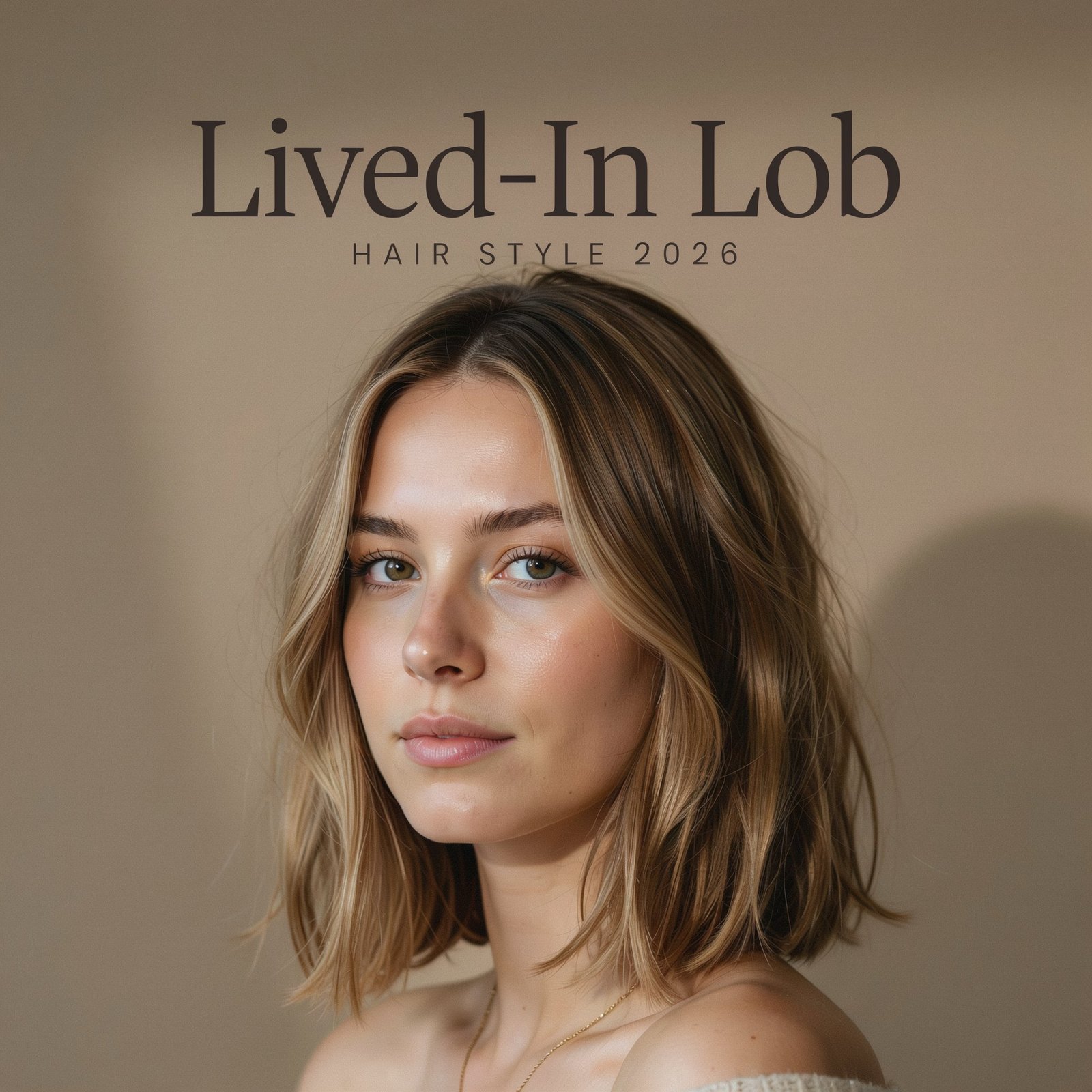
Discover the top hair style trends of 2026, the most popular haircuts, layered styles, bobs, bangs, and face framing shapes. Find the perfect look for every hair type and face shape.
There is a version of a haircut that exists purely to be inoffensive. It is trimmed until everything is even, layered until nothing has weight, and finished until it looks less like a shape that was built for a person and more like a silhouette retrieved from a list of available options. It asks nothing of the stylist and receives nothing in return — no personality, no structure, no sense that this is a person who has ever had an interesting relationship with the way their hair falls. It is safe in the way that only things with no point of view can be. In 2026, that version of a haircut has been retired.
The shape story of this season is built on the idea that a cut is a portrait, not a procedure. It should look like the person wearing it at the most considered, most resolved version of their natural texture and structure — not like a category of cut labelled trending that could sit on any head in any salon in any year. The shapes and techniques dominating 2026 are precise where precision is necessary and deliberately organic where organic is more beautiful than control. They reward a consultation that goes deeper than choosing between short and long, or straight and layered. They reward the conversation that asks what the client’s hair actually does when it dries naturally, and builds the cut from that answer rather than against it.
What makes 2026’s shape direction particularly compelling is the way the season has resolved the tension between structure and movement. The results that matter most this year are neither so geometrically sharp they demand a salon visit every four weeks nor so shapeless they read as hair that has simply grown without intention. They occupy the precise space between those poles — considered enough to carry the weight of a deliberate aesthetic, personal enough to look like a choice rather than a concession to what a haircut is supposed to be. A layer that creates movement rather than bulk. A fringe that belongs to the face it sits above. A perimeter that is part of the design rather than evidence that the design has not been maintained.
The face shape is not an afterthought in 2026. It is part of the formula — and every cut on this list has been considered in relation to the structure it frames, the texture it works with, and the way it either harmonises with the client’s natural pattern or intentionally redirects it.
This guide covers eight of the most beautiful hair style trends for 2026 — each explored in full so you understand not just what the look is, but how it is achieved, maintained, and made to feel entirely like the person it belongs to.
The Lived-In Lob — The Length That Finally Got Its Proportions Right
The lived-in lob is 2026’s most elegant length statement and its most technically considered shape renovation. It sits within the medium-length territory — the classic zone — but it is built with a precision entirely unlike the blunt, one-dimensional versions that have defined the lob for years. The 2026 lived-in lob has visible movement in its perimeter: layers that fall differently in different conditions, a weight distribution that reads as intentional rather than accidental, and a finish that feels personal rather than simply practical. It is a lob that looks like it was cut for this person specifically, which is both the simplest description and the most radical departure from what the lob has historically been.
Why the 2026 lived-in lob is different from what came before:
The perimeter is built rather than drawn — a softened cutting line applied through the ends adds texture and movement without changing the fundamental length, so the result reads as the client’s own hair having its best possible day. The weight is distributed rather than concentrated — internal layering through the mid-lengths gives the cut its movement without sacrificing the density that makes a lob feel substantial. It holds shape without reading as stiff — the specific balance of the 2026 lived-in lob sits precisely at the point where structure becomes ease rather than rigidity.
How this cut is built:
Begin with a consultation that identifies the existing texture’s natural fall — the cut needs to work with it, not against it. On hair with a natural wave, internal disconnection removes weight without removing length, and the movement the hair already wants to make becomes part of the design. On straighter hair, soft graduation through the perimeter and subtle point-cutting through the ends creates the movement that the texture does not provide on its own. Cut the perimeter in a slight convex shape rather than a straight horizontal line — the curved cut falls with more softness when the hair moves, and the 2026 lob requires that softness as part of its identity. Finish with a texturising pass through the ends on dry hair, after the wet cut, to personalise the result to the specific way this hair moves when it dries.
Who the lived-in lob works for:
Almost every texture and face shape, calibrated correctly. It is particularly transformative on hair that has been held at one length without internal shaping for an extended period — the layering restores the movement that single-length cutting removes, and the result can be more flattering than a fresh blunt cut applied to hair that has already lost its energy.
Maintenance and growth:
The lived-in lob grows out as a lengthening rather than a collapse — the internal layering means there is no single weight line that becomes dominant as the cut grows, and the shape reads as intentional through the first eight to ten weeks. Reshaping appointments every ten to twelve weeks maintain the proportions without requiring a complete restyle.
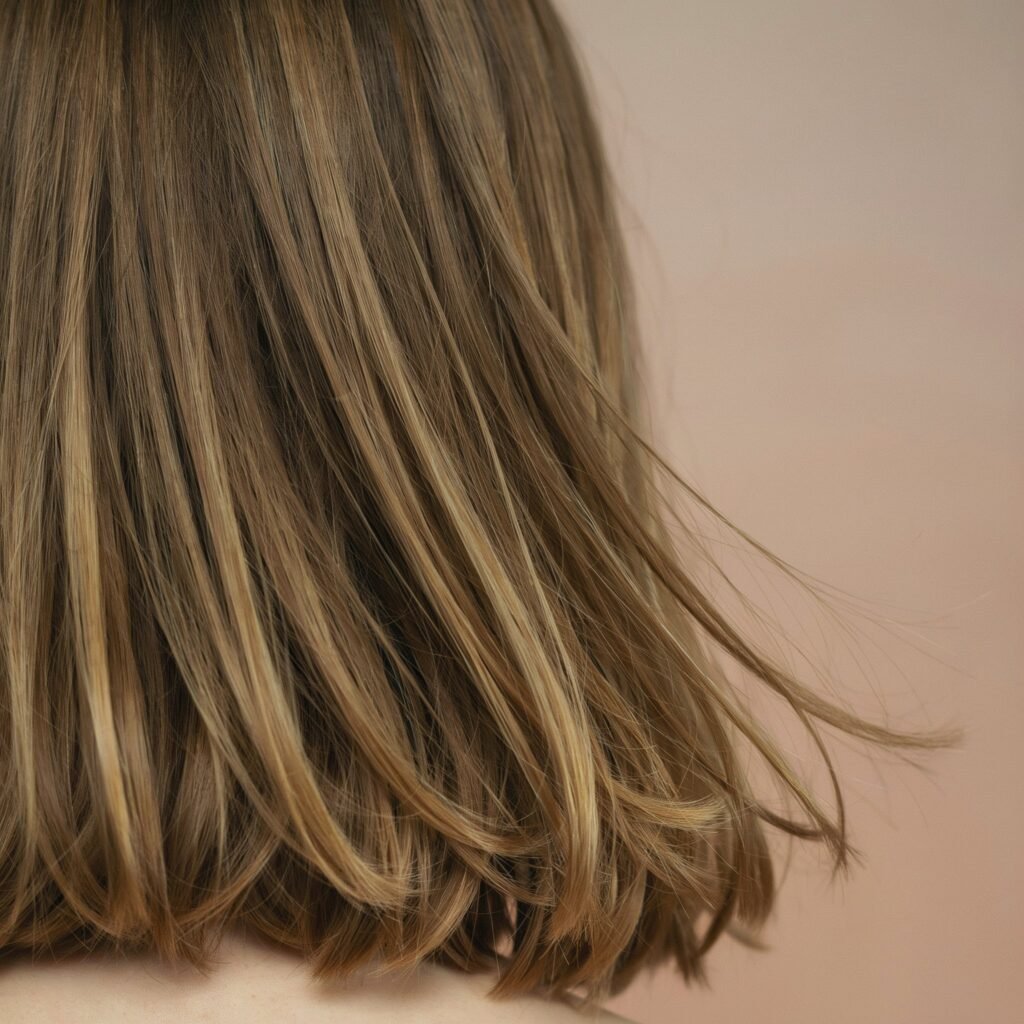
The Curtain Fringe — The Fringe That Earned Its Permanence
The curtain fringe is 2026’s most enduring fringe direction — and it earns its permanent position this season by becoming something technically specific rather than simply long fringe with a centre parting. The 2026 curtain fringe sits at whatever natural fall the client has as a starting point, is built through a tapering and texturising sequence rather than a straight horizontal cut, and is finished so that the length is visible and face-framing but not heavy. The difference between a curtain fringe that reads as intentional and one that reads as a fringe the client is growing out is entirely in the tapering technique and the placement — and in 2026, that technique has been refined to the point where the result is unmistakable.
What makes the 2026 curtain fringe different from previous iterations:
The shape is tapered, not cut — the fringe formula is specific to each client’s natural parting and facial structure, and the curtain quality comes from the interaction between the tapered length and the natural movement of the hair rather than from the cut alone. The weight is soft — the difference between the shortest and longest sections of the 2026 curtain fringe is more gradual than in previous fringe interpretations, which is what gives it its fluidity and its face-framing quality rather than reading as two separate sections of hair. It is finished with separation rather than uniformity — point-cutting at the ends and light texturising through the body of the fringe creates the softest sections exactly where the face requires framing.
How this cut is built:
Consultation begins with identifying the client’s natural parting and hairline — the curtain fringe is a shape-specific cut and it works in direct relationship to where the hair naturally wants to divide. Cut the fringe dry after the main cut is complete, not wet — wet hair contracts on drying, and a fringe cut wet and then dried will always be shorter than intended. Begin the cut at the longest point and work inward, tapering the length so the interior is marginally shorter than the pieces framing the face. The texturising pass is done with scissors rather than a razor — razor texturising on a fringe of this weight produces a result that is too diffuse to hold the curtain shape through the day.
Who the curtain fringe works for:
Almost every face shape when the length and taper are calibrated correctly. On round faces, the fringe is left slightly longer and the taper begins lower, so the face-framing effect elongates rather than widens. On longer faces, the fringe is kept at a length that bisects the forehead, so the cut divides the vertical proportion rather than extending it.
Maintenance and growth:
The soft taper of the 2026 curtain fringe makes the grow-out period more forgiving than a blunt fringe — the graduated length means there is no single line that reads as overgrown for the first six to eight weeks. Reshaping every six to eight weeks maintains the taper and prevents the fringe from losing the face-framing quality that defines it.
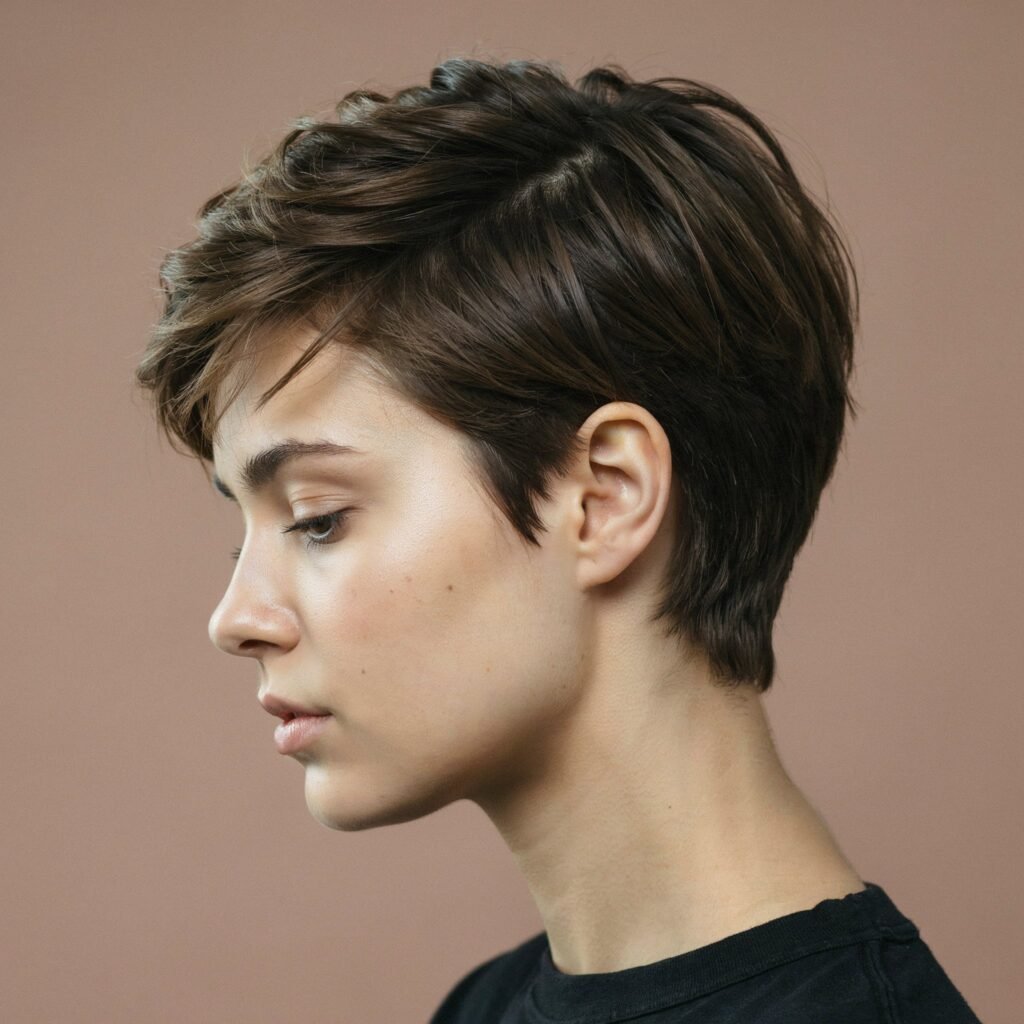
The Textured Pixie — The Short Cut That Resolved Every Hesitation
The textured pixie is 2026’s answer to the short hair question, which has historically produced results that are either so cropped they require constant maintenance or so grown-out they read as a longer cut that has not been attended to rather than as a genuine shape statement. The 2026 version resolves this by treating the pixie not as a fashion cut but as a renovation of the client’s existing texture: a precise technique that removes weight and adds movement in the same process, leaving a shape that reads as the most considered, most vivid version of the natural texture already present in the hair. The result is a pixie that looks like it was designed for this head specifically on the best day of the client’s style life.
Why the textured pixie is the cut statement of 2026:
Its shape is a renovation rather than a removal — the 2026 pixie works with the hair’s natural growth pattern rather than cutting against it, which is the reason it looks so specific to the person wearing it. It accommodates almost every texture when the technique is calibrated correctly — the pixie that works for fine, straight hair is a closer cut with more internal texture to create the illusion of density, while the pixie that works for thick, wavy hair is a longer, more disconnected version that uses the natural movement to create its shape. It grows well through the season — the textured pixie is cut so that the natural growth through the top section reads as added softness rather than as an unintended length.
How this cut is built:
Begin by identifying where the client’s hair already sits in the texture spectrum — the pixie formula adjusts to meet it rather than overriding it. On fine hair, a close-cut back and sides with length and internal disconnection through the top creates the contrast that makes the cut read as intentional rather than simply short. On thick or textured hair, a longer, more sculptural approach through the top with a tapered perimeter uses the hair’s natural behaviour to create the shape rather than working against it. The technique is always personalised to the crown growth pattern — a pixie cut without attention to the crown’s natural direction is the cut that becomes unmanageable within two weeks.
The textured pixie spectrum:
Classic pixie — a close cut through the back and sides with a defined, textured top, the most universally recognised version of the shape. Soft pixie — a longer, more grown-in version with a less defined perimeter and more movement through the top, suited to clients approaching short hair for the first time. Sculptural pixie — a graphic, more architectural version with deliberate disconnection between the top and sides, the most striking interpretation and the one with the most specific maintenance requirement.
Maintenance and growth:
The textured pixie requires the most frequent reshaping of any cut on this list — the close perimeter needs attention every four to six weeks to maintain the proportion that makes the shape read as intentional rather than grown-out. The top section can be allowed to grow for eight to ten weeks before it loses its relationship with the sides.
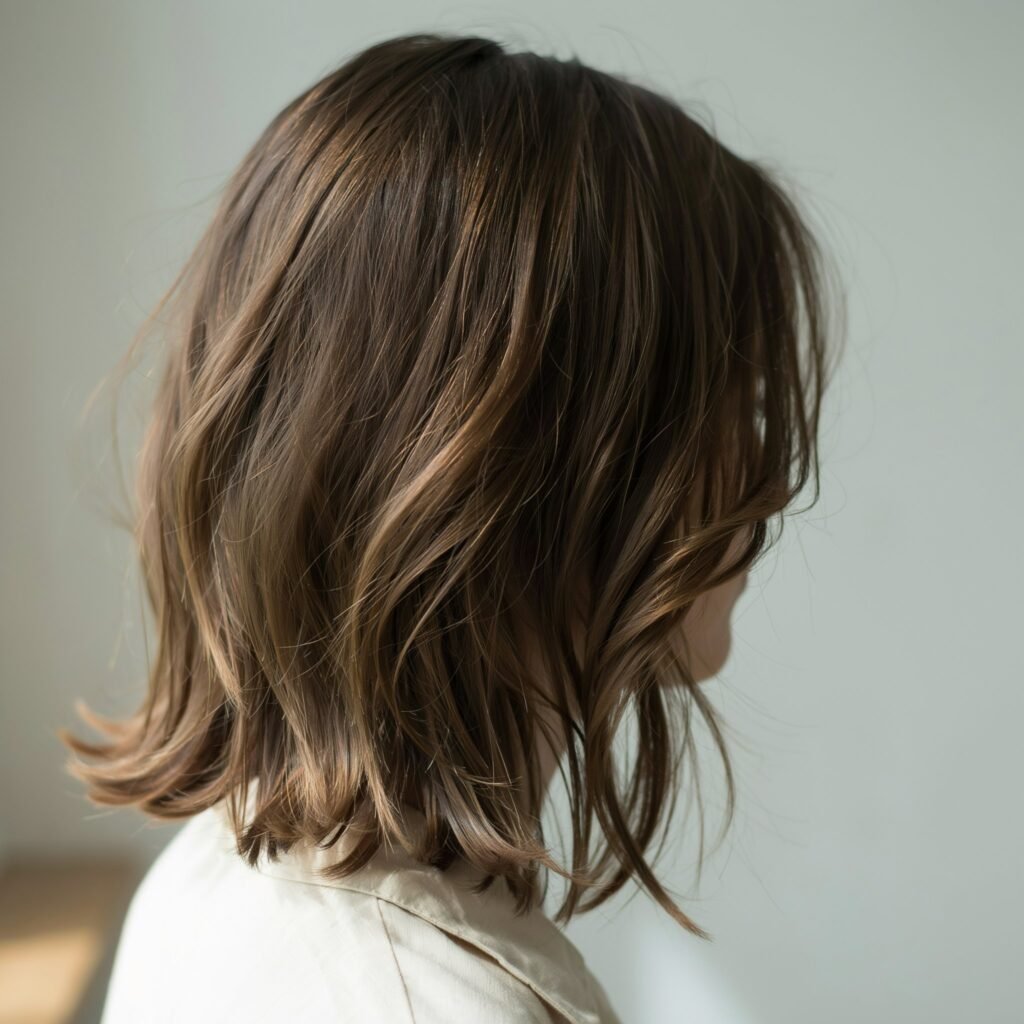
The Soft Wolf Cut — The Shape That Left the Razor Behind
The soft wolf cut is summer 2026’s most romantically imprecise shape technique — and it earns its position this season by becoming something more considered than the heavily layered shag that has been circulating for several years. The 2026 soft wolf cut is specific about where its imprecision lives: the layering is placed deliberately and in specific sections, the weight removal point is chosen rather than accidental, and the overall effect is of a cut that has been developed by growth and movement for exactly the right number of months rather than constructed to look as though it has been. There is a meaningful difference between a wolf cut that is soft and one that is simply unshaped, and the 2026 version is entirely the former.
What distinguishes the 2026 soft wolf cut from its predecessors:
The layering is internal rather than surface — a disconnection technique removes weight from within the mid-lengths rather than through the surface, so the shape reads as movement rather than as deliberate layering. The graduation begins lower on the head than it has in previous interpretations — the 2026 version keeps the crown section with more weight and lets the layers open through the mid-length and ends, which is the placement that makes the grow-out look deliberate rather than overdue. The finish is soft rather than shaggy — the wolf cut of 2026 is finished with a light texturising technique rather than the heavy razor work that defined previous seasons, which is the technical shift that places it in 2026 rather than 2022.
How this cut is built:
Section the hair and identify the pieces that carry the most natural movement — the face-framing layers, the top section, the pieces that fall forward through the crown. Cut the internal layers first, working through the mid-lengths to remove weight without reducing the perimeter length. The face-framing layers are cut last and personalised to the face shape — longer on rounder faces, shorter and more directional on longer faces. The perimeter is softened rather than blunt-cut, with a point-cutting or slicing technique that allows the ends to move rather than holding them in a solid line.
Who the soft wolf cut works for:
Medium to long natural hair where the length is sufficient to carry the layering and provide the fall that makes the soft quality readable. On very short hair, the technique produces a result that reads as a textured pixie rather than a wolf cut, which is a different and equally valid look but not the layered, lived-in effect specifically.
Maintenance and growth:
The soft wolf cut’s most significant advantage is its maintenance interval — the deliberate internal layering means the first eight to twelve weeks of growth add softness to the shape rather than collapsing it. Full reshaping appointments are typically spaced four to five months apart.
The Structured Bob — The Cut That Made Precision Architectural
The structured bob is 2026’s most quietly powerful shape direction. It sits within the bob family — not the soft, textured territory of the lived-in lob, but the polar opposite: precise, deliberate, and completely without ambiguity. Every angle considered. Every line resolved. The structured bob is the cut that reads as completely certain of itself, and in a season of soft wolf cuts and curtain fringes, its precision is the counterpoint that makes it compelling. It is the shape that requires the most accurate technical judgement and produces the most unambiguous result.
Why the structured bob is compelling in 2026:
Its precision creates a visual clarity that softer shapes cannot replicate — the line of the perimeter falls in a single, clean movement without the disruption of layering that softens the cut’s authority. Against the ease of the season’s other shape directions, it reads as the sharpest possible statement — a person who knows exactly what they want and has executed it with complete precision. Its simplicity makes every other element of the face more visible — the jaw, the eyes, the neck all read more clearly against the clean, defined perimeter of a structured bob than against a softer, more complex shape.
How this cut is built:
Begin with a thorough consultation on face shape and neck length — the structured bob is a perimeter-specific cut and its angle must be calibrated to the client’s bone structure rather than to a general template. On clients with a strong jaw, a cut that sits below the jaw line rather than at it avoids adding horizontal width to an already wide point. On clients with a longer face shape, a cut at the jaw line creates the horizontal proportion that balances the vertical length. Apply a clean, precise cut through the perimeter on wet hair, checking the line at every section before moving forward — the structured bob has no internal complexity to absorb an imprecise perimeter, so the line must be exact.
Maintenance and growth:
The structured bob requires the most frequent reshaping of any cut on this list — the precision of the perimeter line reads as grown-out within four to six weeks as the length pushes past the intended point. A home maintenance trim through the neckline at week four extends the result by two to three weeks between full appointments.
The Butterfly Cut — The Shape Detail That Changes the Silhouette
The butterfly cut is not a new technique. It has been present in cutting work for several years, applied to longer hair that needed its weight removed without losing its length. What makes 2026 its defining season is the refinement of its purpose and application — no longer a technique applied to manage unwanted bulk, but a deliberate design element that creates volume through the crown, adds movement to the mid-lengths, and gives the shape a quality of natural dimension that even the most considered single-length cut has historically struggled to achieve. The butterfly cut is not an addition to the shape result. It is the element that makes the result specifically hers.
Why the butterfly cut is the shape detail of 2026:
It changes the silhouette in a way that no other single technique can — the volume through the crown and the way it graduates into the lengths below creates a three-dimensional quality that flat, single-length cuts never produce. It grows out without generating a visible weight line, which means the maintenance requirement decreases significantly compared to any cut that depends on a specific perimeter for its shape. It works with every texture on this list — placed into longer hair, through the mid-sections of a lob, above a bob’s interior — the butterfly layers are the consistent dimension element that lifts every shape direction.
How the butterfly cut is built:
Elevate the top section to ninety degrees or above and cut the layers to a length that, when released, falls to the mid-length or above — typically the first four to six inches depending on the density and natural fall of the hair. The technique is applied through the top and crown sections only, not through the sides or the perimeter. The layers are cut with a slight over-direction so the shortest point falls at the crown rather than at the front, which is what produces the lift and the butterfly effect rather than simply creating face-framing layers. Blend the boundary between the elevated layers and the uncut length below with a soft, point-cutting technique so the transition reads as movement rather than as a step.
Style pairings:
The butterfly cut worn through a lived-in lob is the combination that produces the most complete and balanced silhouette of the season. Worn as a standalone addition to previously flat long hair, it is the single technique most likely to update a shape result that has stopped feeling current.
The French Bob — The Length Classic Reinvented
The French bob is 2026’s most universally considered short-to-medium shape — and the season’s most honest acknowledgement that some cut ideas are perennial because they are correct. This is not a shape that has been reinvented for novelty. It is a shape that has been refined to the point where its execution in 2026 is meaningfully different from how it was cut at its peak: the perimeter sits lower and more specifically to the jaw, the interior is softer, and the overall effect is of something that has the ease of a cut the wearer has always had and the intention of something built specifically for this face shape, this texture, and this moment.
What distinguishes the 2026 French bob from earlier interpretations:
The perimeter sits lower — the 2026 version typically places the cut at the jaw rather than above it, which produces a result that reads as a considered length choice rather than a short cut that is waiting to become something else. The interior is measured by the hair’s own natural fall rather than by a fixed layer length — if the natural hair is thick and heavy, the internal weight removal is more significant; if the natural hair is fine and flat, the interior is left with more weight to create the density the texture does not provide on its own. The finish is always soft — a light texturising pass through the ends, never a blunt or heavy line, applied after the main cut so the perimeter moves rather than holding in a solid shape.
How this cut is built:
Section the hair and establish the perimeter length first — the placement of the cut at the jaw is non-negotiable in the 2026 version, and every internal decision is made in relation to that fixed point. Cut the perimeter on wet hair with a clean, direct line, then move to the interior and remove weight through point-cutting rather than through graduation or layering. The face-framing sections are personalised last — shorter pieces pulled forward to frame the face on clients who need softening at the jaw, longer pieces left to fall behind the ear on clients for whom a cleaner frame is more flattering.
Maintenance and growth:
The French bob’s grow-out quality is its defining challenge — because the perimeter sits at the jaw and the shape depends on that specific relationship, two to three weeks of growth shifts the proportion in a way that a longer cut would absorb without difficulty. Full reshaping appointments are typically five to six weeks apart for clients who want the shape maintained at its most precise.

The Long Layer — The Multi-Length Statement With Full Authority
The long layer is 2026’s most decisive statement for clients with length — and the season’s most powerful argument for clients who have been maintaining a single-length cut to approach their next appointment without reservation. This is not a cutting technique that has been applied to approximate the result of a more considered approach. It is a technique considered entirely on its own terms: multiple lengths distributed through a deliberate sequence from root to ends, each placed to transition seamlessly into the next, and each calibrated to the specific density and texture it is working with. In 2026, the long layer is not making the best of difficult hair. It is making the most of it.
Why the long layer is the shape statement of the season:
Its complexity is the asset — the movement through multiple lengths from crown to end carries more individual identity than any single-process cut could on the same hair. The transition is the technique — a long layer without a perfect graduation is simply multi-length hair cut without discipline, and the 2026 version is defined by the precision of its blending rather than by the range of its lengths. Every section is calibrated to the density it is placed within, so the lightest layer is not removed from the densest section and expected to achieve the planned result — the placement and the technique work together as a system.
How this cut is built for a 2026 context:
Begin the consultation by mapping the lengths — identify the natural fall at the crown, the ideal weight point at the mid-length, and the final perimeter length, then build the layering sequence that creates a seamless graduation between them. The crown section is cut first, establishing the shortest interior layer. The mid-length section is cut second, as the transition zone — two to three inches longer than the crown layer. The perimeter is cut last, to the client’s desired length, and the graduation between perimeter and the layers above is the most critical technical element of the entire cut. Blend each section into the previous with an over-directed, point-cutting technique before moving to the next zone.
Maintenance and growth:
The long layer’s greatest strength is its maintenance profile — because each length in the sequence is calibrated to the density it sits within, the grow-out produces a natural softening of the layers rather than a visible collapse of the shape. The crown and mid-length sections grow at the same rate, which gradually adds weight to the graduation rather than eliminating it.
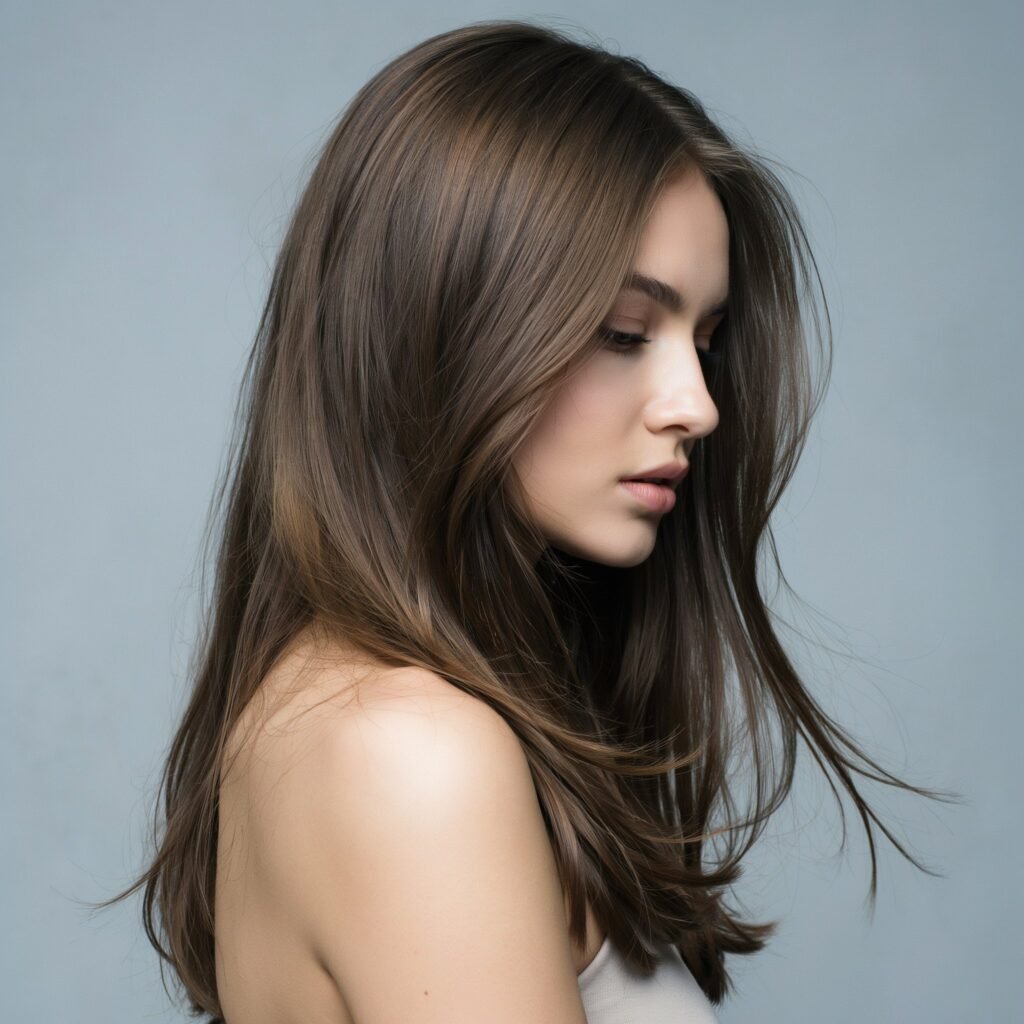
The Principles Behind Every 2026 Shape Direction
Three ideas run through every cut on this list and are worth understanding before the consultation appointment.
The cut should look like the client, not like a trend. Every direction on this list has been built on the specific premise that the most beautiful haircut is the cut that looks like the person wearing it at their most considered — not the cut that looks like it belongs to a season. This requires a deeper conversation at the consultation than “what length have you seen that you like” or “short or long.” It requires understanding what the client’s natural texture actually does when it dries without product, what their face shape’s specific proportions are, and what the daily routine reality of their life demands. The answer to those three questions is a more useful brief than any reference image.
The consultation is where the cut is made, not chosen. Choosing a shape from an image is the beginning of the process, not the end of it. The consultation appointment is where the specific version of that shape — the one that works on this texture, for this face, with this maintenance expectation — is built. Clients who come to a consultation with an image and leave with a faithful reproduction of it have missed the most valuable part of the process. Clients who come with an image and leave with something that looks entirely like them have used the consultation correctly.
Longevity is part of the technique. Every direction on this list should look as beautiful at week eight as it did on the day of the appointment. The cuts that fail are always the cuts that were not built for duration — layers placed so heavily they collapse within three weeks, a perimeter so precise it reads as grown-out within four, or a fringe cut so blunt it loses its shape before the client reaches the car park. A cut that looks its best at week eight, slightly settled and entirely itself, is a better result than one that looks perfect on the day of the appointment and nowhere else.
The Cut Is the Portrait
In a photograph, the hair’s shape is always present. It is in every image taken across every season, every occasion, and every year between appointments — and that means the conversation about what it should be is one of the most consequential conversations a client and stylist have together. It is not a seasonal decision. It is a decision about how a person reads in every room they walk into and in every image made of them, until the next appointment changes it.
In 2026, that conversation is being had with more honesty and more specificity than it has been in years. The result is a season of shape directions that look like real people at their most considered — deliberate, personal, and completely impossible to mistake for a cut applied to a head rather than a shape built for a person.
Bring the specificity to the consultation. Know the shape, the texture, the maintenance window. Know whether the season demands a structured bob or demands a soft wolf cut. Know what your hair does naturally and decide whether to build from that or refine it — and know that in 2026, every direction on this list has been built from it.